
Five Borough Pickup Access
Garages, alternate-side parking, narrow streets and loading restrictions make accurate access notes essential in Manhattan, Brooklyn, Queens, the Bronx and Staten Island.
New York City government
Running or not — we pay cash on the spot.
Free towing. Same-day pickup. No hidden fees.
8:00 am – 8:00 pm
7 days a week
1033 E Powell Blvd
Gresham, OR 97030
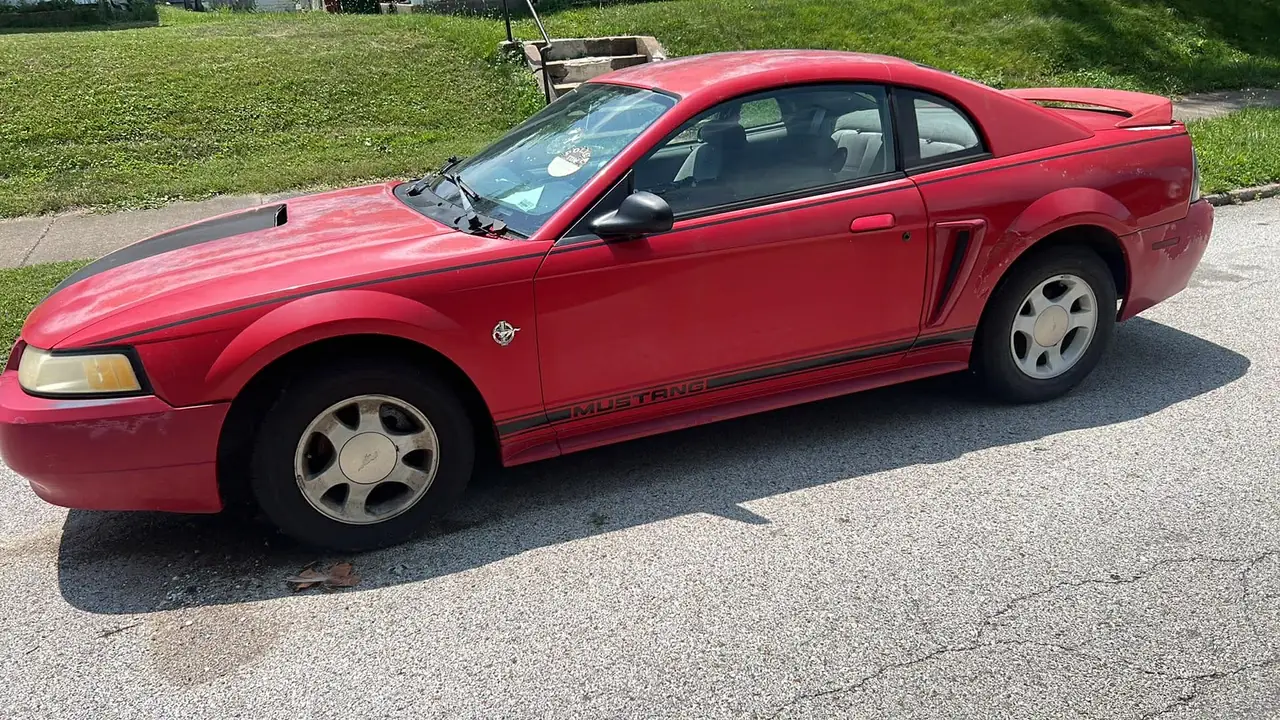
If a damaged, non-running or unwanted vehicle is taking up space anywhere in New York, Fred’s Auto Removal can review the details, make a no-obligation cash offer and arrange pickup from an accessible location. We buy cars, trucks, vans and SUVs in many conditions across New York City, Long Island, the Hudson Valley, the Capital Region, Central and Western New York, the Southern Tier and the North Country. Start with our instant vehicle offer, or call 773-869-5144 to describe the vehicle and its location.
New York sellers usually want three things settled before they agree: what the vehicle is worth, whether towing is truly included and which ownership documents the driver will need. We address those points before dispatch. The quote is based on the information you provide about the year, make, model, condition, missing parts, title status and pickup access. If those details are accurate, the agreed amount should not become a different number simply because the truck has arrived.
New York is not one towing market. A car in a Bronx apartment garage has a different access problem than a pickup behind a barn in St. Lawrence County. Brooklyn and Queens may require a legal loading area, gate clearance and a precise arrival window. Nassau and Suffolk pickups can involve long residential routes and busy Long Island Expressway traffic. Hudson Valley addresses may sit on steep or narrow driveways. Upstate winters can leave a vehicle frozen in place, buried beside a garage or parked on soft ground after a thaw.
Those differences affect equipment and scheduling, not whether the owner deserves a straightforward process. Tell us if the car has flat tires, locked steering, missing keys, no wheels, collision damage or a blocked tow path. Tell us if it is inside a low-clearance garage, at a repair shop charging storage, on private property that requires permission or in a place where a truck cannot safely turn around. Accurate access information helps the dispatcher send a flatbed, wheel-lift or other appropriate equipment and avoids a wasted trip.
Major routes such as the New York State Thruway, I-87, I-90, I-81, I-88, I-86, I-84 and the downstate expressway network connect our active pickup areas, but the address still matters. Same-day or next-day removal is available in many communities; remote locations, severe weather and specialized loading may need additional planning. We would rather give you a realistic window than promise an arrival time that cannot be kept.
A vehicle’s value is not just the price of scrap steel. Year, make, model and trim establish the starting point. Mileage, accident damage, flood exposure, rust, drivetrain condition and whether the car starts help determine its resale, parts or recycling value. Complete vehicles usually bring stronger offers because engines, transmissions, catalytic converters, aluminum wheels, electronic modules and body panels may still have demand. Trucks, SUVs and popular commuter models can carry useful parts value even after a repair estimate has exceeded the owner’s budget.
New York conditions create recognizable patterns. Road salt and freeze-thaw cycles can damage subframes, brake lines, exhaust systems and suspension mounting points. Coastal flooding and heavy rain can create electrical failures that appear long after water leaves the cabin. Potholes can finish an already worn suspension or wheel. In dense downstate areas, parking damage and storage charges can push an owner toward selling before the car is technically beyond repair. Upstate, a long-distance tow from a rural address can require more coordination. None of these facts automatically makes a vehicle worthless; they simply help us identify the right buyer and equipment.
An offer can legitimately change when an important fact is different from what was reported, such as a missing catalytic converter, removed drivetrain, undisclosed fire or flood damage, an active lien, mismatched ownership papers or a vehicle that cannot be reached safely. The right time to discuss those issues is before pickup. Photos of the exterior, VIN plate, damage and tow access can help confirm the quote without creating a last-minute negotiation in the driveway.
1. Describe the vehicle. Provide the year, make, model, ZIP code, mileage if known, running condition and major damage. Mention missing parts, keys, title status and where the vehicle is parked. Optional photos are especially useful for collision damage, incomplete vehicles and tight access.
2. Review the offer. Ask whether towing is included, how payment will be delivered and what documents must be present. A useful offer is one you can understand, not simply the highest number shown before the buyer has asked about the car.
3. Confirm the pickup plan. Choose an available window and make sure the registered owner or authorized signer can complete the transfer. Remove personal belongings and provide legal access to the vehicle. If it is at a body shop, storage yard, apartment lot or another person’s property, confirm release permission first.
4. Verify payment and release the car. Check the agreed payment and complete the required ownership transfer before the vehicle leaves. Keep any bill of sale, pickup receipt or other transaction record provided. Remove the plates and registration sticker rather than letting them travel with the car.
The New York DMV explains that a title is proof of ownership, while registration gives permission to operate the vehicle on public roads. For most New York vehicles from model year 1973 or newer, the seller normally transfers the original title. A qualifying 1972-or-older vehicle may use an original or certified transferable registration. Do not assume a photocopy, expired registration or document with a cross-out will be accepted; ownership situations involving estates, businesses, gifts, multiple owners or out-of-state paperwork can require different evidence.
Complete the transfer section carefully and disclose vehicle damage as required. A lien shown on the title must be resolved with acceptable proof before a clean transfer can occur. If the title is lost, use the DMV’s replacement-title process instead of improvising a document. If you are unsure, tell us exactly what you have before scheduling so the pickup is not delayed after the truck arrives.
New York plates stay with the seller. Remove both plates and the windshield registration sticker before releasing the vehicle. You may transfer eligible plates to another vehicle or surrender them to the DMV. The order matters when insurance is ending: New York warns owners to surrender plates before liability coverage lapses. Keeping the plate-surrender receipt can help resolve a later registration or insurance question.
New York has specific rules for salvage vehicles. The DMV may treat a vehicle as salvage after serious collision, theft, vandalism or water damage, including qualifying damage that exceeds 75 percent of the pre-damage retail value. Rebuilt salvage vehicles must go through the state’s examination process before they can be titled or registered for road use. Documents marked parts only, non-rebuildable, non-repairable, scrapped or destroyed are treated differently from a repairable vehicle.
Tell us whether the vehicle has a branded title, MV-907A, insurance total-loss history or flood exposure. That information affects the lawful transfer and the vehicle’s next destination. It also protects a future buyer from undisclosed history. Fred’s Auto Removal does not claim to operate a New York dismantling facility; instead, end-of-life vehicles must be routed through appropriate buyers and facilities. The New York State DEC regulates vehicle dismantling facilities because old vehicles can contain fuel, oil, transmission fluid, refrigerant, batteries, mercury switches and other materials that require proper handling.
The statewide directory below follows the service structure from New York to each county and then to the cities within that county. Select the county containing the pickup address for local coverage details, nearby communities and the appropriate city options.
We regularly review non-running commuters, high-mileage family vehicles, wrecked pickups, failed-inspection cars, rusted SUVs, flood-damaged vehicles, work vans, inherited cars, former fleet vehicles and cars left at repair shops after the estimate became unaffordable. We can also discuss vehicles with missing keys, flat tires or some missing parts, although completeness affects value and heavily stripped vehicles require an honest description.
Many calls begin after a transmission failure, blown head gasket, engine seizure, electrical diagnosis or structural-rust warning makes another repair difficult to justify. Others begin because an owner is moving, clearing an estate, preparing a property for sale, ending storage charges or responding to a landlord or neighborhood notice. The reason does not change the process: establish ownership, describe the car accurately, agree on payment and access, then complete the transfer before pickup.
Ask every buyer the same questions. Is towing included? What facts could change the amount? Who will actually pick up the vehicle? What form of payment will be used? Does the registered owner need to be present? What document will you keep after the sale? A high preliminary quote can be less useful than a slightly lower confirmed offer if the first buyer later subtracts towing, misses the appointment or sends a driver who has different instructions.
Before handing over the keys or signed ownership document, confirm the buyer, payment and vehicle. Do not release the car because someone says payment will arrive later through an unfamiliar account. If the tow operator’s instructions conflict with the accepted offer, pause the transaction and call the company before the car is loaded. Clear communication is one reason customers mention responsiveness, kept quotes and straightforward pickup in Fred’s Google Business Profile.
Fred’s Auto Removal helps owners turn unwanted vehicles into clear space and a completed sale. The company coordinates vehicle offers and pickup through a nationwide service network while keeping its head office at 1033 E Powell Blvd in Gresham, Oregon. New York is served as a service area; the Oregon address is not represented as a New York storefront. Learn more about Fred’s Auto Removal, read practical vehicle guidance on Fred’s blog, or review the buyer and partner program.
Pickup planning can look very different from one part of New York to another. A car in a Queens apartment garage may require height clearance, a release from building management and a precise loading window. A vehicle outside Buffalo may need snow cleared around the tires before a carrier can reach it. Cars near the Finger Lakes, Adirondacks or Southern Tier may sit on long gravel drives where soft shoulders and seasonal access matter. Sharing those details early helps the dispatcher choose the right equipment and prevents an avoidable second trip.
New York sellers should also separate the vehicle transaction from the plate and insurance steps. Take personal property and toll devices out of the car, keep a copy of the signed transfer paperwork, remove the plates when required and follow current New York DMV instructions before ending liability coverage. Fred’s can explain what the pickup team needs, while the DMV remains the final source for title, registration and plate requirements.
Pickup planning changes with New York’s geography. These familiar regions show why access, weather and travel time are discussed before dispatch.
Garages, alternate-side parking, narrow streets and loading restrictions make accurate access notes essential in Manhattan, Brooklyn, Queens, the Bronx and Staten Island.
New York City governmentThe Long Island Expressway, Northern State and Southern State parkways connect dense western suburbs with longer eastern pickup routes.
New York State DOTRiver cities, steep driveways and commuter communities stretch from Westchester through Dutchess, Orange, Rockland and Ulster counties.
Hudson Valley travel regionAlbany, Troy, Schenectady and Saratoga Springs sit where I-87 and I-90 meet, creating a practical base for Capital Region pickups.
City of AlbanyLake-effect snow, road salt and freeze-thaw damage are common reasons older vehicles reach the end of economical repair in the I-90 corridor.
New York State ThruwayCentral New York, the Southern Tier and North Country include long rural driveways, seasonal roads and winter conditions that can require additional tow planning.
Adirondacks travel regionActual offers vary by vehicle and market. These examples show the mix of cars, SUVs and trucks owners contact us about across New York.
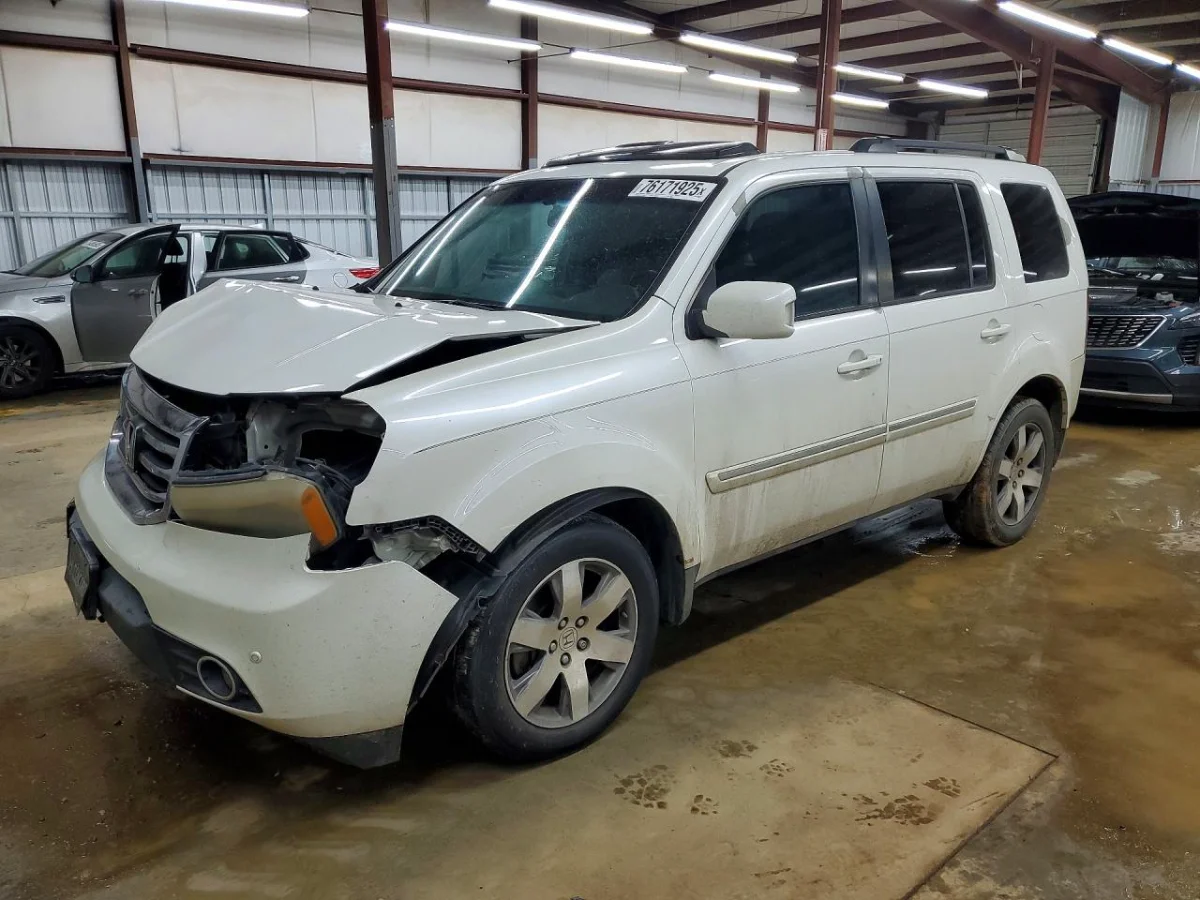
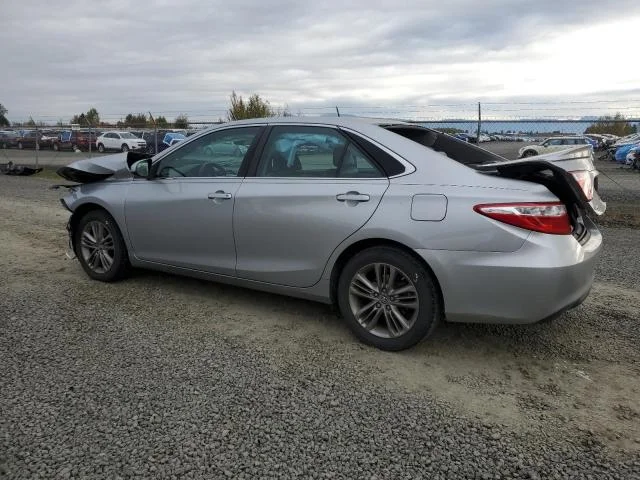
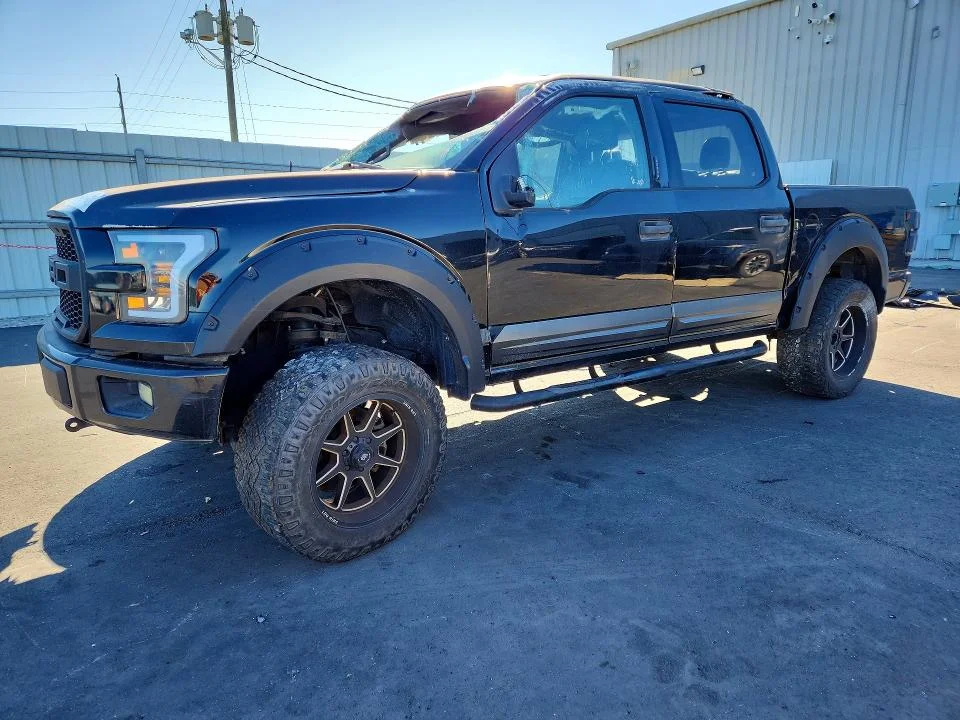
Share the year, make, model, New York ZIP code, condition, title status and tow access.
Use accurate condition notes and optional photos so the offer can be reviewed before dispatch.
Choose an available window and make sure the driver can legally and safely reach the vehicle.
Verify payment, transfer ownership, remove New York plates and keep the transaction record.
A junk car’s value in New York depends on its year, make, model, condition, completeness, reusable parts, title status, location and towing access. A newer complete vehicle with an intact drivetrain and catalytic converter can be worth much more than scrap weight alone, so Fred’s Auto Removal reviews the actual vehicle details before confirming an offer.
Yes. Fred’s Auto Removal includes towing in the accepted offer for pickups across New York, from city streets and Long Island driveways to upstate repair shops and rural properties. Tell us about locked garages, missing wheels, soft ground or blocked access before scheduling so the correct truck can be dispatched.
No. We buy non-running, collision-damaged, rusted, high-mileage, flooded, fire-damaged, failed-inspection and mechanically disabled vehicles throughout New York. Honest condition details and optional photos help us price the car accurately and prevent surprises at pickup.
For most New York vehicles from model year 1973 or newer, the owner normally transfers the original title; older vehicles may use an eligible transferable registration as proof of ownership. Requirements can change for liens, estates, businesses, salvage documents or altered titles, so confirm the paperwork before the tow is scheduled.
A missing title does not always produce the same answer because New York proof-of-ownership rules depend on the vehicle’s year and circumstances. Do not guess or sign substitute paperwork: tell Fred’s Auto Removal what documents you have, and use the New York DMV replacement-title or ownership guidance when a duplicate or additional proof is required.
Remove the New York plates and registration sticker before the vehicle leaves. Transfer or surrender the plates through the DMV, and if you plan to end liability insurance, surrender the plates before the coverage lapses to avoid registration and insurance problems.
The offer should remain the same when the vehicle, ownership documents and condition match the information provided. A legitimate adjustment may be necessary only when an important fact was different, such as missing major parts, undisclosed damage, an unresolved lien or inaccessible towing conditions; those points should be explained before the vehicle is released.
Same-day or next-day pickup is available in many New York service areas, while remote locations, severe weather, restricted garages and specialized towing can require more planning. Fred’s Auto Removal confirms the pickup window and access details before dispatch rather than promising a time that cannot be kept.
Yes. Coverage includes the five New York City boroughs, Nassau and Suffolk counties, the Hudson Valley, Capital Region, Central New York, Western New York, the Southern Tier and North Country communities included in our county directory. Pickup arrangements are matched to the address, whether the car is in an apartment garage, body shop, driveway or rural lot.
Yes, subject to ownership verification and New York salvage requirements. New York treats certain heavily damaged vehicles as salvage, including qualifying water-damaged vehicles and vehicles whose damage exceeds the applicable value threshold, so disclose the title brand and any MV-907A or salvage paperwork when requesting the offer.
Tell us what you have, where it is parked and which ownership document is available. Fred’s Auto Removal will review the vehicle and explain the offer and pickup plan before you decide.
Get My Free Vehicle Offer