
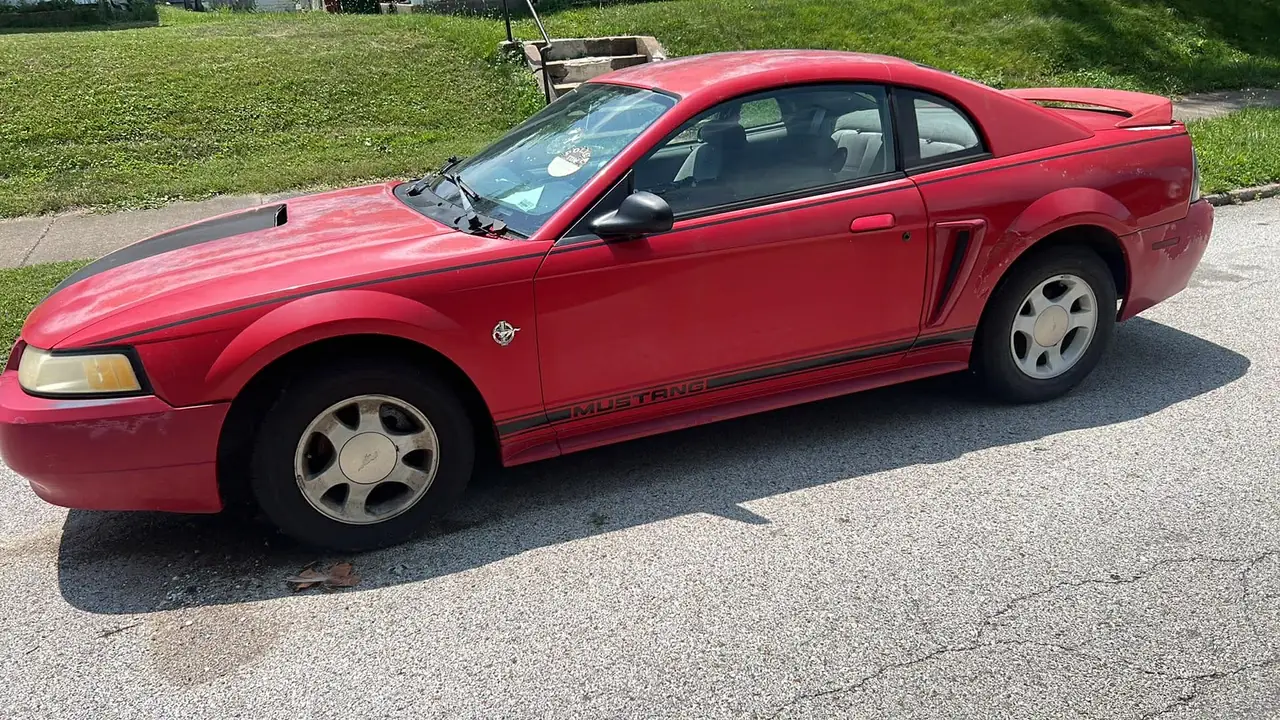
1999 Ford Mustang
Price$1,250
LocationYonkers, NY
ConditionRuns
Running or not – we pay cash on the spot.
Free towing. Same-day pickup. No hidden fees.
8:00 am – 8:00 pm
7 days a week
1033 E Powell Blvd
Gresham, OR 97030
An unwanted vehicle can look like one problem, yet a lawful sale in Westchester County usually involves three separate questions. Which city, town, or village controls the address? Who has authority to transfer the car? Can a carrier reach and load it from its present space? Answering those questions before comparing offers prevents a high-sounding quote from becoming an argument over documents, access, or deductions.
Westchester is in the Hudson Valley immediately north of New York City, but it is not part of New York City. The state identifies six Westchester cities, while the county describes a broader home-rule system of cities, towns, and villages. Local parking, vehicle-storage, and custody instructions therefore depend on the municipality and exact property, not merely the county name. The county’s municipal-boundary information is a useful starting point when a postal address is unclear.
Record the street address, municipality, and location type before discussing removal. A car in the owner’s driveway presents different permission questions from one in a commuter lot, municipal garage, apartment space, repair shop, private impound, or city tow facility. Note any gate, permit, posted restriction, storage balance, release hold, or property manager who controls entry.
Then name the transaction. A voluntary vehicle sale transfers ownership to a buyer. An owner-requested paid tow moves a vehicle without necessarily buying it. An involuntary private-property tow is an enforcement action, and a municipal impound has its own custody and release process. A vehicle apparently left on someone else’s land belongs in an abandoned-vehicle process unless the person arranging the transfer can establish legal authority. Similar-looking trucks may be involved, but the rights, money, documents, and destination can be entirely different.
The people and businesses also need separate labels. The titled owner or legally authorized representative signs the transfer. A lienholder or co-owner may have an interest that must be resolved. A property manager can control entry without owning the car. The purchaser, tow carrier, and receiving facility may be one business or three. New York DMV recognizes distinct regulated roles among dismantlers, collectors, processors, salvage businesses, and related operators. Ask for the purchaser’s legal name and role rather than assuming every tower is the buyer.
For most New York vehicles from model year 1973 or later, the ordinary ownership evidence is the original title or another document DMV accepts. A New York vehicle from 1972 or earlier may use a transferable registration. A bill of sale records the transaction, but by itself it is not proof that the seller owns the vehicle. The DMV’s acceptable ownership proofs explain the model-year branches and should be checked against the actual vehicle.
Compare the owner’s identification with the name and VIN on the document. If two owners are listed, determine which signatures DMV and the buyer require. Resolve an active lien with suitable release evidence. An estate representative or business signer should collect the documents showing that person’s authority, not simply sign the former owner’s or company’s name. When the title is lost, use the replacement-title route rather than treating an old photocopy or handwritten receipt as a substitute.
Do not cross out, erase, overwrite, or otherwise change a title entry. DMV warns that altered title information creates a problem that must be resolved through the agency. Complete the applicable sale, damage, and odometer information accurately. Damage disclosure applies to all vehicles, and odometer disclosure generally applies to model-year 2011 and newer vehicles while they are no more than 20 model years old. If mileage cannot be stated normally, use the proper document treatment rather than guessing.
MV-35 is not a general permission slip for every vehicle without a title. The DMV form is limited to an owner transferring a vehicle that is at least eight model years old, worth no more than $1,250, and going to an eligible registered dismantler, itinerant vehicle collector, or certified scrap processor. It also says the vehicle can never be titled again. The recipient’s regulated status and the vehicle’s eligibility must be confirmed; a carrier that only transports the car does not become the qualifying recipient.
An offer and loading plan are only as sound as the condition report. Start with the VIN, year, make, model, mileage, title status, and exact location. State whether the engine starts and whether the vehicle can drive, shift into neutral, roll, steer, and brake. Report available keys, inflated tires, installed wheels, locked steering, collision damage, rust, actual water or fire exposure, and known fluid leakage.
Identify missing components plainly. A missing catalytic converter, battery, drivetrain part, body panel, wheel, or interior assembly can affect the buyer’s valuation and the carrier’s preparation. Photograph all four sides, the VIN plate where appropriate, the wheels, major damage, and the route from the vehicle to a legal loading position. New photos matter because an older description may no longer match a car that has sat outside or been moved.
Avoid diagnosing what you do not know. It is enough to say that the engine does not start, the transmission position is unknown, or the brake pedal has no resistance. That is more useful than an unsupported mechanical conclusion. If condition changes after the offer, disclose it before the appointment and ask whether the written amount or access plan changes.
A driveway pickup begins with usable width, slope, surface, turns, overhead clearance, and the position of other cars. Do not move a disabled vehicle into the street merely to make it seem easier. Confirm that any proposed truck and loading position are lawful and safe. If the car is beside or behind a building, include gate dimensions, soft ground, walls, trees, wires, and the route a vehicle would travel.
For an apartment, condominium, office, or other managed lot, obtain property approval for carrier entry and loading. Owning the car does not automatically authorize commercial access to every part of the property. Give the manager the carrier information it requests and settle gate, escort, or space-clearing details before arrival. If the car is at a repair shop, ask what owner authorization, balance, storage status, and release procedure apply.
A municipal garage or commuter lot requires more than a valid parking permit. Check current facility rules, posted height, ramps, turning space, gate procedure, permit or plate status, and whether loading is allowed in the occupied space. A full-size carrier may be unable to enter even though a passenger car fits. The operator and carrier may need to identify an open-air transfer point and decide who can lawfully move the vehicle there.
When a vehicle is in an impound or other custody, obtain current release instructions from the responsible authority or custodian. A private purchase does not cancel tickets, holds, fees, or identification requirements, and a buyer cannot bypass custody. For a vehicle the seller does not own, consult the municipality and DMV’s abandoned and unclaimed vehicle guidance instead of arranging a sale.
Ask each prospective buyer for a written description of the exact vehicle on which the amount is based. The record should identify the purchaser, state the proposed net amount and payment method, and describe any expiration date. It should also say whether transport and loading are included, what access assumptions were made, which missing parts or condition changes could lead to a revision, and what cancellation terms apply.
Clarify who may change the amount and when. If a separate carrier inspects the car, ask whether that carrier can reprice on behalf of the buyer. For a garage, yard, or nonrolling vehicle, determine who pays for any internal move or special loading arrangement. A generic promise about towing does not answer those facts. Compare the amount left after every stated deduction, not an advertised maximum that may refer to a different car.
Keep screenshots, emails, or text confirmations that show what was disclosed. Westchester County’s consumer code addresses deceptive representations and receipt information, including merchant identity and address. Its rules for involuntary private-property towing are a different subject from a voluntary purchase, but the county’s emphasis on clear representations and records is useful when documenting the deal.
Before signing, compare the buyer’s identity with the written terms and make sure every document is complete. Never pre-sign a blank title, bill of sale, odometer statement, or assignment. Recheck the VIN and mileage, identify the date possession changes, remove personal property, and retain copies or photographs of the completed records that belong in the seller’s file.
The transfer evidence should show the vehicle, buyer and seller, agreed amount, date, and signatures required for the transaction. Keep proof of payment in the form actually used, a receipt with the purchaser’s legal identity and address, condition photographs, and an image showing the vehicle after it leaves. If a shop, garage, property manager, or impound supplied release authorization, retain that as well.
New York’s plate and insurance order deserves its own check. DMV instructs a seller to remove the license plates and registration sticker. When the plates will not be transferred to another vehicle, surrender them before canceling New York liability insurance. Canceling the insurance first can lead to registration and driver-license suspension. Follow the current DMV plate-surrender instructions and preserve the surrender or transfer record.
A missing title, unresolved lien, deceased owner, business vehicle, disputed ownership, or crossed-out document is a reason to pause. So is an active impound hold, a repair-shop dispute, denied property access, or a vehicle whose condition no longer matches the offer. These issues are easier to resolve before a carrier is committed than beside a blocked or restricted car.
Someone who owns the land but not the vehicle should not sign a transfer as the vehicle owner. Someone authorized to possess a car for parking or repair purposes may still lack authority to sell it. Likewise, an old vehicle is not automatically eligible for MV-35. Direct the question to DMV, the current custodian, the controlling municipality, or the documented lienholder as appropriate.
Environmental handling also depends on the actual recipient. New York’s vehicle-dismantling rules cover fluids and components at regulated facilities, but the locality and appearance of a carrier do not establish where the car will go. Ask for the receiving business and buyer role without promising a particular recycling or disposal outcome.
For a countywide transaction, a short jurisdiction note can prevent later confusion. Record the postal city, confirmed municipality, property type, municipal or facility contact, date checked, and the instruction that affected access. Westchester includes cities, towns, and villages with substantial local control, so the same county label does not make one parking or storage rule universal.
File that note with photographs of posted signs and the location. If a municipality or facility changes its instruction before pickup, update the note and tell the purchaser and carrier. This creates a dated explanation for why a particular release, permit, or loading step was followed without turning informal guidance into a permanent county rule.
With those facts ready, a seller can discuss a particular vehicle without relying on countywide assumptions. The Mamaroneck address guide and White Plains garage guide provide narrower local paths when those addresses match. Questions about available options for a documented Westchester vehicle can be raised at 773-869-5144, with the final terms depending on the car, authority, location, and access.
Sample pickups like the vehicles Fred’s regularly buys: non-running cars, damaged SUVs, old trucks and unwanted commuters with free towing included.
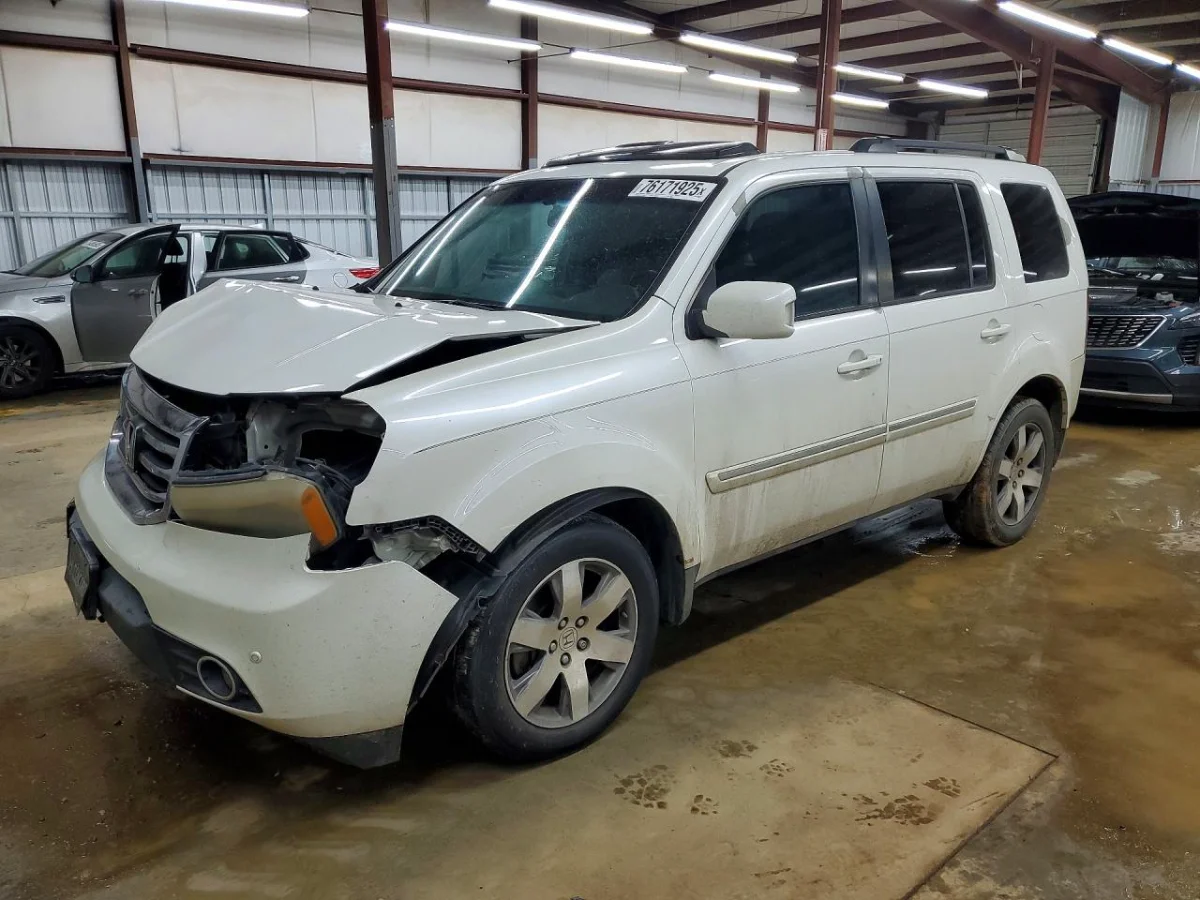
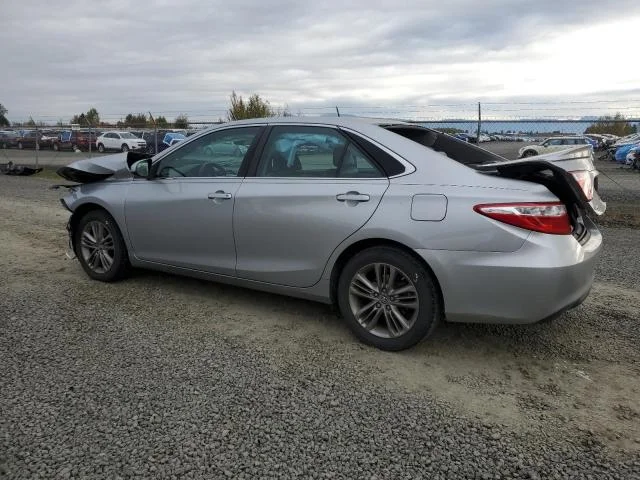
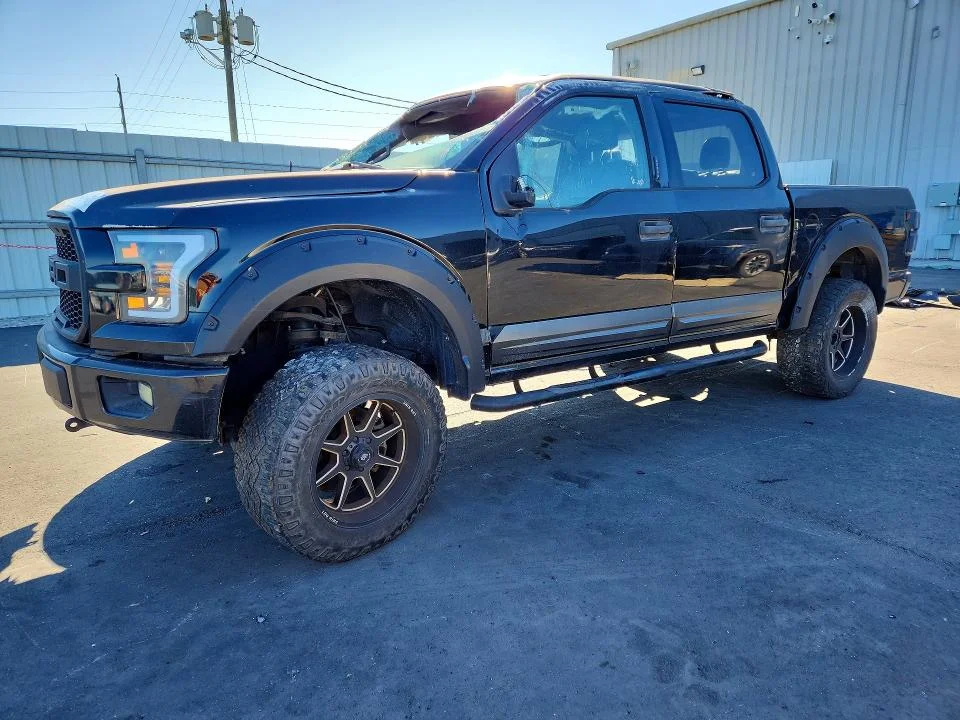
Share your vehicle year, make, model, Westchester ZIP code and condition for a fast no-obligation offer.
If the price works for you, pick a pickup window that fits your schedule and access situation.
We come directly to the confirmed Westchester pickup address and handle the tow at no charge.
Payment is made at pickup before the vehicle leaves your property.
A bill of sale ordinarily records the transaction but does not, by itself, prove ownership. Check the vehicle's model year and use a DMV-accepted title, transferable registration, replacement title, or a fully qualified alternative.
No. MV-35 has age, value, eligible-recipient, and permanent no-retitling limits, so both the vehicle and the receiving business must qualify before that route can be used.
No. A voluntary purchase, an owner-paid transport, an enforcement tow, and an impound release involve different authority, payment, custody, and documentation even when a tow vehicle is involved.
Provide the exact space, slope, surface, width, gates, garage height, nearby obstacles, wheels, steering, brakes, keys, leaks, and a lawful loading position, supported by current photographs.
Compare written net amounts, purchaser identity, payment method, transport and loading assumptions, possible deductions, expiration, cancellation, and who may reprice after inspection.
Remove the plates and registration sticker first. If the plates will not be transferred, DMV instructs the seller to surrender them before canceling New York liability insurance.
Property ownership alone does not transfer ownership of the vehicle. Confirm the responsible municipality and follow New York's abandoned-vehicle process rather than signing as the vehicle owner.
Retain completed transfer and sale records, purchaser identity and address, VIN, date, mileage, payment evidence, access or custody releases, condition and departure photographs, and plate-surrender proof.
From Yonkers, Mount Vernon, New Rochelle, White Plains, Scarsdale, Eastchester, Bronxville, and Pelham and nearby Westchester County communities, Fred’s Auto Removal offers free towing, clear pickup planning and cash payment.
Get My Free Cash Offer