
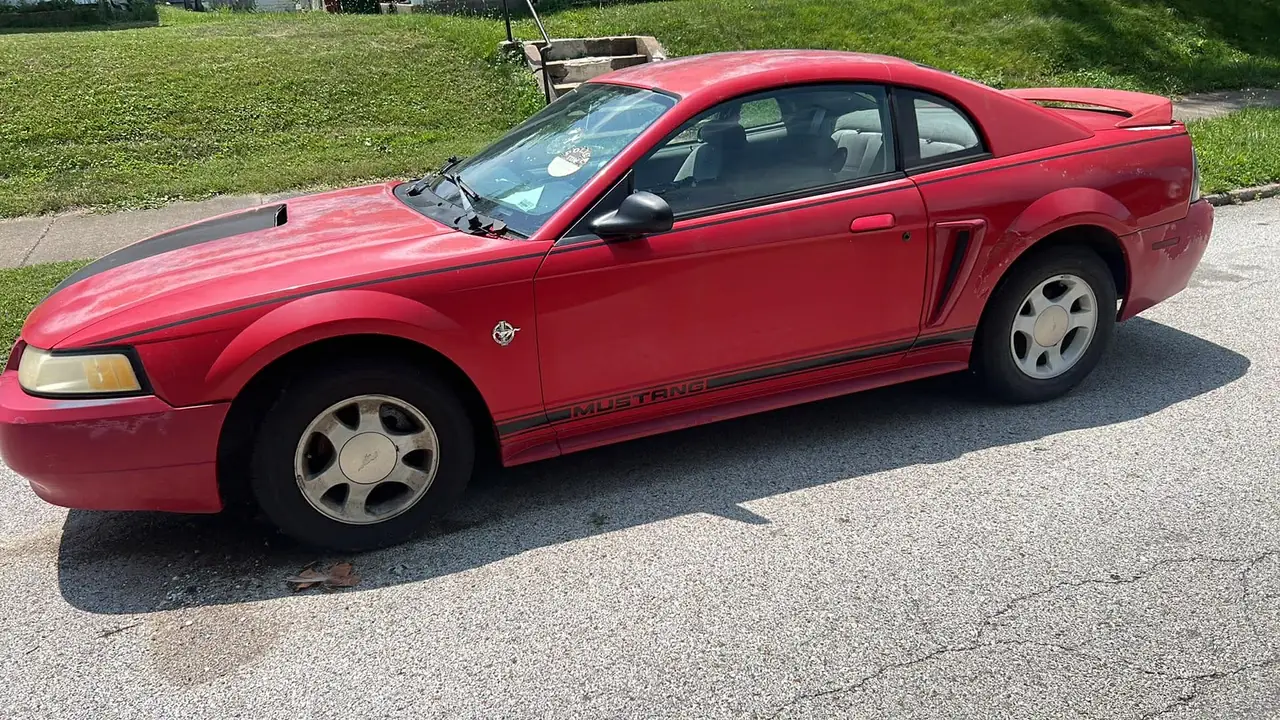
1999 Ford Mustang
Price$1,250
LocationPeekskill, NY
ConditionRuns
Running or not — we pay cash on the spot.
Free towing. Same-day pickup. No hidden fees.
8:00 am – 8:00 pm
7 days a week
1033 E Powell Blvd
Gresham, OR 97030
An inoperable car beside a Peekskill house can raise two very different questions. If the car belongs to the property owner, that owner may prepare a lawful voluntary sale. If it belongs to someone else, ownership of the land does not create authority to sell the vehicle. Identify which situation exists before responding to a complaint, notice, or desire to clear the space.
Peekskill’s local code addresses outdoor storage of defined abandoned, junked, discarded, and unlicensed vehicles on private land. It also contains definitions, exceptions, notice, and enforcement procedures. That context makes timely verification useful, but it should not be turned into a statement that every nonrunning car violates the law or into pressure to sign incomplete documents.
Find the VIN and the best available ownership record. Ask whose name appears and whether there is a co-owner, lienholder, estate, or business interest. Possession of the keys, payment of property taxes, or the car’s long stay on the land does not establish transfer authority.
If the titled owner wants to sell, verify the identity and document route before arranging access. If the titled owner is deceased, use the proper estate authority. If a business owns it, identify an authorized signer. If the title belongs to a tenant, neighbor, customer, former owner, or unknown person, stop the sale path and use the appropriate abandoned-vehicle process.
New York DMV explains that abandoned-vehicle procedures depend on public or private location and the responsible authority. The DMV abandoned-vehicle guidance and the City are the proper routes for a non-owner. A property manager or purchaser should not improvise ownership papers.
The City’s vehicle-storage provisions address defined categories of vehicles on private land and provide their own scope. Read the current definitions and exceptions against the actual vehicle, property, and notice. Do not rely on a neighbor’s summary, an old deadline, or the assumption that lack of registration alone decides every case.
If a notice or city communication exists, preserve it and record the date, department, contact information, property address, vehicle description, and any response already made. Contact the City through its official site to confirm current status and instructions. Ask what issue is open rather than guessing at a penalty or outcome.
A verified concern can shape the seller’s priorities, but it does not remove DMV transfer requirements. Continue to identify the lawful owner, purchaser, access plan, and written terms. A deadline should never be answered by pre-signing a blank title or accepting a verbal deal with an unidentified party.
Peekskill also regulates tow-vehicle activity within the scope of its code. Do not announce that a particular buyer or carrier is licensed based on a name, address, or truck. When licensing applies to the planned activity, verify the provider and job directly with the City.
For most vehicles from 1973 onward, ordinary proof is the original title or another ownership document New York DMV accepts. A qualifying New York vehicle from 1972 or earlier may use a transferable registration. A bill of sale records an exchange but generally is not proof that the seller owned the vehicle.
Compare the document with the VIN, seller’s identity, lien information, and any co-owner terms. Resolve a lien through acceptable release evidence. Support estate or company authority with the relevant documents. When the title is lost, use the DMV replacement process instead of treating an old registration, insurance card, repair receipt, or key as a substitute.
Do not erase or cross out a title mistake. DMV warns that title entries must not be changed. Obtain correction or replacement instructions if the buyer name, owner, date, mileage, or another entry is wrong. Complete sale details, damage disclosure, and any applicable odometer disclosure accurately.
MV-35 is narrowly limited. It applies to an owner transferring a vehicle at least eight model years old and worth no more than $1,250 to an eligible registered dismantler, itinerant vehicle collector, or certified scrap processor. It states that the vehicle can never be titled again. Verify the buyer’s exact regulated role and all vehicle conditions; a towing-only business is not automatically the recipient described by the form.
The DMV transfer guidance should control the document decision. Neither a storage concern nor difficult condition creates a separate local exception to ownership evidence.
Begin with a simple overhead sketch. Show the street, driveway, house, garage, side or rear yard, fences, gates, walls, trees, overhead lines, other vehicles, and the car’s orientation. Mark the narrowest width, steepest grade, soft or uneven surface, tightest turn, and possible legal carrier position.
A car in a front driveway may have a direct path. One beside a garage may require a narrow gate or turn. A backyard vehicle may sit beyond soil that cannot support loading equipment. A vehicle sunk into soft ground or resting on missing wheels adds forces and clearances that a distant photograph may hide. The carrier must evaluate the specific route.
Measure gates and clearances rather than describing them as normal. Report pavers, gravel, lawn, mud, retaining edges, steps, curbs, and drainage features. Note fragile property near the route. Do not assume a vehicle can be dragged across someone else’s land or that property damage is an acceptable part of removal.
Identify a safe position from which a carrier could work without blocking traffic, a sidewalk, or emergency access. If the only possible position is restricted, ask the City or property controller what is allowed. Do not push a nonrunning car into the road to create an easier pickup.
State whether keys are available, the steering unlocks, the transmission reaches neutral, the wheels are installed, tires hold air, and brakes release. Report broken suspension, seized wheels, missing axles, inaccessible tow points, and the car’s position relative to a slope. Starting the engine is only one aspect of mobility.
List known leaks and where they appear, without diagnosing their exact source. Tell the carrier if fluid is actively escaping or has affected the surface. Do not crawl under an unstable vehicle, drain fluids, or make an unsafe repair to prepare it. The buyer and carrier need the condition before agreeing on terms and a method.
Identify missing components such as catalytic converter, battery, engine, transmission, body panels, wheels, seats, or other major assemblies. Provide the VIN, year, make, model, mileage, title status, collision history known to the seller, actual water or fire exposure, and severe corrosion. Photograph the car from all sides and show the ground and path.
If the car changes after an offer, update the purchaser. A removed part, new leak, flat tire, shifted obstacle, soft ground after weather, or city notice can affect feasibility and valuation. Obtain written confirmation rather than waiting for an on-site dispute.
Ask for the legal name and address of the company buying the car. Ask separately who will transport it and which business is expected to receive it. A towing business, vehicle purchaser, dismantler, collector, processor, repair shop, and storage facility are not interchangeable labels under New York rules.
If a provider claims a City license relevant to the activity, verify it with the City. If the recipient’s DMV status matters to a form such as MV-35, confirm the regulated business through the applicable state source. Do not substitute a local phone number, branded vehicle, or commercial address for role verification.
The receipt should name the purchaser rather than only the driver. If the carrier is separate, keep its identifying information too. Ask where responsibility passes if the carrier takes possession on behalf of the buyer and what record will show that event.
Give the purchaser the same vehicle condition and access facts provided to the carrier. Ask for a written net amount, payment method, expiration, cancellation, and description of the car. The terms should address ordinary transport, difficult loading, missing components, access assumptions, possible deductions, and who has repricing authority.
A high headline amount does not answer what the owner receives after a backyard extraction or unusual move. Determine whether special loading is included, whether the buyer expects the car at a curb or open lot, and who bears cost if the proposed route does not work. If access remains uncertain, make that uncertainty explicit.
Keep photographs, measurements, disclosures, offer messages, and city correspondence in one file. Do not allow urgency to convert a documented condition into a vague promise. The useful number is the amount remaining under the stated facts, not an unrelated maximum.
Before arrival, reconfirm City or property status where relevant, owner authority, purchaser identity, carrier identity, route, surface, and loading position. Move people and movable property away from the work area only when safe and authorized. Tell the carrier about any new obstruction or leak.
Review completed transfer records. Verify the VIN, seller, buyer, date, mileage treatment, agreed amount, and required signatures. Do not sign blank documents. Obtain payment evidence and a receipt with the purchaser’s legal name and address. Retain any city communication and property authorization.
Photograph the vehicle immediately before departure, the removal path, and the cleared location afterward. Those images can show condition and timing if a code, property, or payment question arises. Keep messages confirming any change in amount or access plan.
Remove the license plates and registration sticker. If the plates will not transfer, surrender them before canceling New York liability insurance. Preserve DMV proof with the completed sale, buyer, payment, and removal records.
A missing or altered title belongs with DMV. An active lien belongs with the lienholder and document process. A deceased or company owner requires proper representative authority. A car owned by someone else belongs in the abandoned-vehicle route. A disputed city notice belongs with the current City contact.
An inaccessible yard, unstable surface, leaking vehicle, absent wheels, blocked drive, or rejected loading position belongs with the property controller and carrier. A shop or impound hold belongs with the custodian. Do not promise that one phone call or one truck resolves every category.
If the City has contacted the property owner, begin a simple chronology. Record when the communication arrived, the vehicle and property identified, the exact language used, the department and contact, and the date current instructions were confirmed. Keep the original notice. Do not rewrite it as a deadline or legal conclusion that the City did not state.
Next record the ownership-document action, buyer inquiry, access review, and every response. If title replacement, estate authority, or abandoned-vehicle processing is needed, tell the City contact what step is actually pending and ask how to provide an update. Do not claim that an inquiry or tentative appointment completes compliance.
On the removal date, keep the completed transfer and before-and-after photographs with the chronology. If pickup fails because of access or condition, document the failure accurately and obtain a new plan. This record supports a calm, factual response while preserving the owner’s duty to use valid documents and a lawful carrier route.
The Westchester County guide provides a broader buyer-role and ownership checklist. Once the Peekskill owner, City status, access route, condition, and documents are known, questions about available options can be discussed at 773-869-5144, subject to the actual car and confirmed transaction.
Sample pickups like the vehicles Fred’s regularly buys: non-running cars, damaged SUVs, old trucks and unwanted commuters with free towing included.
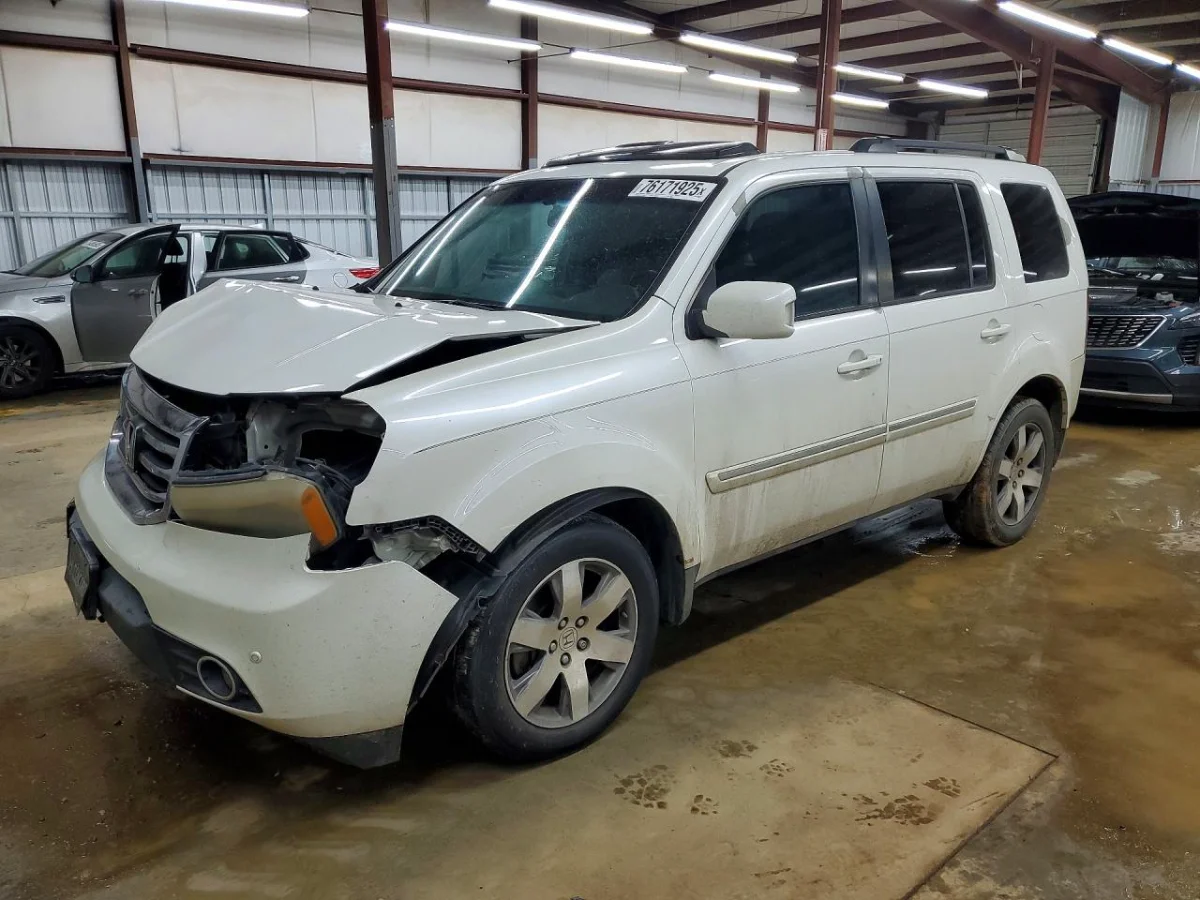
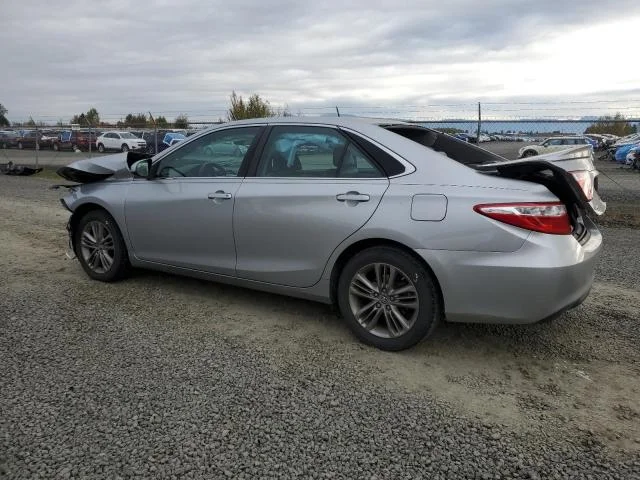
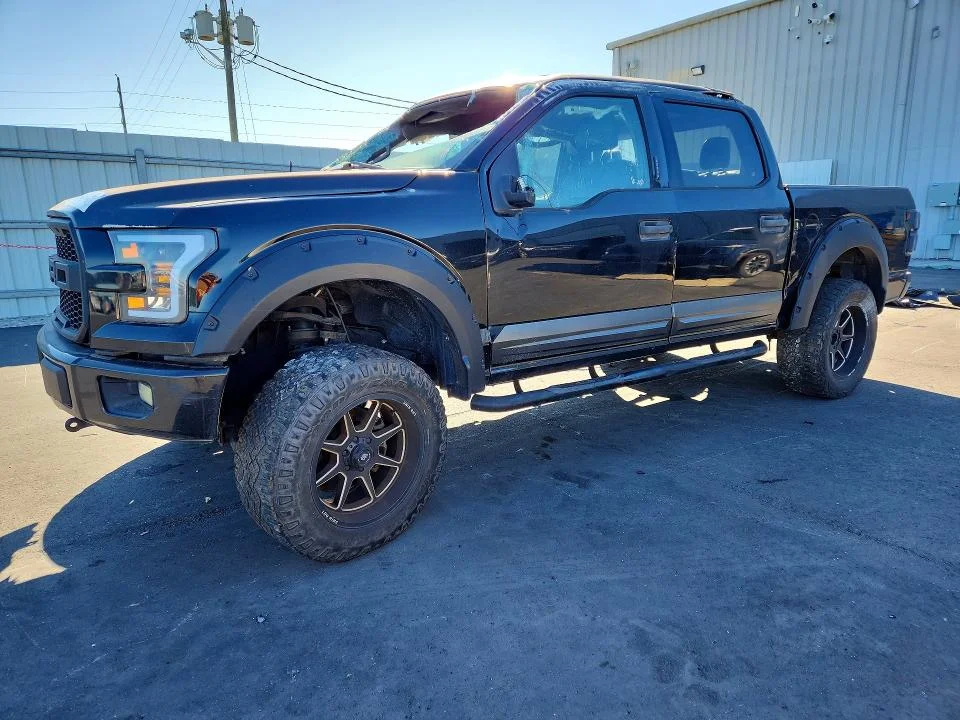
Share the vehicle year, make, model, Peekskill ZIP code and condition for a fast no-obligation offer.
If the price works for you, pick a pickup window that fits your schedule and access situation.
We come directly to your Peekskill address and handle the tow at no charge.
Payment is made at pickup before the vehicle leaves your property.
Do not assume so. Chapter 544 has definitions, exceptions, notice, and enforcement provisions that must be checked in their current form against the exact vehicle and property.
Not merely because it sits on the land. Confirm the vehicle owner and follow City and New York DMV abandoned-vehicle procedures instead of signing an unauthorized transfer.
Only after the carrier reviews gate width, surface support, grade, turns, obstacles, vehicle mobility, leakage, a legal working position, and current photographs.
Use DMV's replacement-title route, a qualifying older transferable registration, or the tightly limited MV-35 path only when both vehicle and recipient qualify.
Peekskill regulates covered tow-vehicle activity, but applicability depends on the actual job. Verify the particular provider and activity with the City when required.
Describe the observed leak, surface, installed wheels, tires, steering, brakes, missing parts, position, and access before the purchaser and carrier confirm terms.
No. Verify the City's current status, legal owner, ownership document, purchaser identity, carrier plan, and written net terms before signing completed records.
Keep City correspondence if applicable, completed transfer and sale evidence, purchaser identity and address, VIN, date, payment proof, photographs, and plate-surrender confirmation.
From Peekskill to nearby Yonkers, Mount Vernon, New Rochelle, White Plains and Scarsdale communities, Fred’s Auto Removal offers free towing, clear pickup planning and cash payment.
Get My Free Cash Offer