
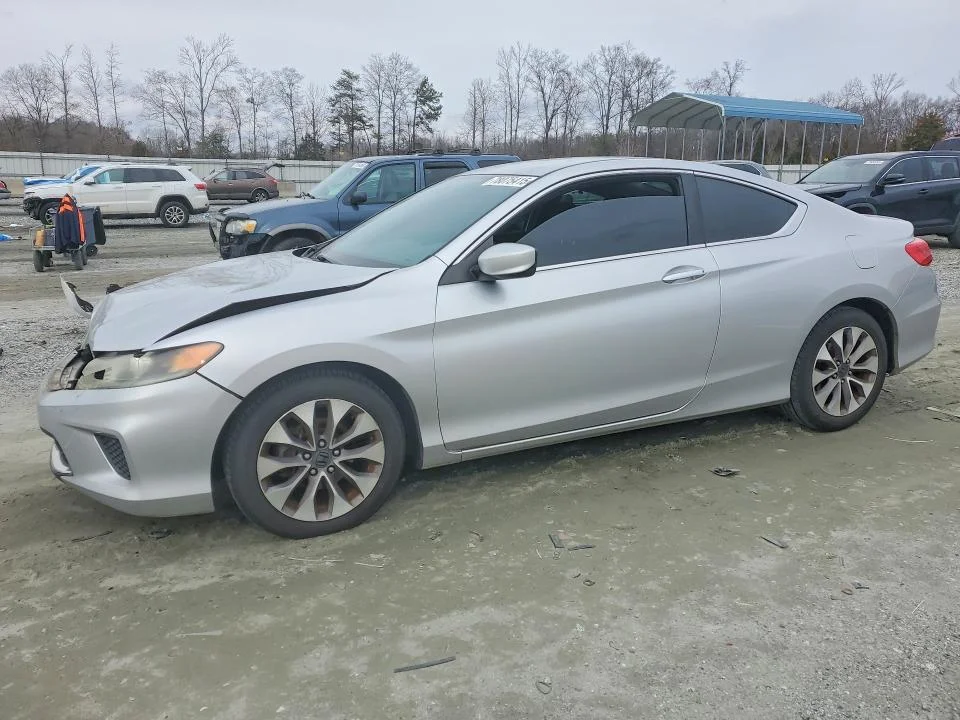
2014 Honda Accord
Price$1,250
LocationVirginia
ConditionHigh mileage
Running or not - we pay cash on the spot.
Free towing, same-day pickup and Virginia DMV title guidance statewide.
8:00 am – 8:00 pm
7 days a week
1033 E Powell Blvd
Gresham, OR 97030
Got a junk car in Virginia? Fred’s Auto Removal buys junk cars across Virginia with free towing from Northern Virginia and Richmond to Hampton Roads, Southside, the Shenandoah Valley and the Blue Ridge. Running or not. Any condition. Any year. We come to the driveway, apartment lot, shop, storage yard, business property, campus lot or rural lane, confirm the vehicle, and pay cash at pickup.
Virginia is not one simple junk-car market. A salt-exposed SUV near Virginia Beach, a commuter sedan in Alexandria, a shop-stored car in Richmond, a student vehicle in Blacksburg and a Southside work truck can all price differently. That is why Fred’s looks at the actual car, the title situation, the pickup address and the route before scheduling the tow.
Virginia also has a local-government detail sellers should understand: many cities operate independently from counties. Alexandria, Charlottesville, Chesapeake, Danville, Hampton, Harrisonburg, Lynchburg, Manassas, Newport News, Norfolk, Portsmouth, Richmond, Roanoke, Suffolk and Virginia Beach are handled as their own local service areas. Blacksburg is served through Montgomery County, and Leesburg is served through Loudoun County. That keeps the guidance aligned with how Virginia addresses, paperwork and pickup routes actually work.
Virginia junk car value depends on title status, whether the car starts or rolls, catalytic converter condition, flood or salt exposure, military or university turnover, rural towing distance, buyer demand and whether the vehicle is complete. Offers usually start around $250 for stripped shells and can reach $15,000 for late-model trucks, SUVs, work vans, hybrids, diesels and clean-title vehicles with reusable parts.
| Condition | Typical Virginia payout |
|---|---|
| Late-model truck, SUV, van, hybrid or work vehicle | $3,000 - $15,000+ |
| Running sedan or crossover | $600 - $2,000 |
| Non-running but complete | $450 - $1,600 |
| Flood, salt, fire, wrecked or salvage title | $300 - $2,500 |
| Stripped shell or missing catalytic converter | $250 - $700 |
Most sellers compare buyers by speed, towing, payment and paperwork clarity. Fred’s adds the practical details that can change the actual pickup: Virginia DMV seller steps, salvage or nonrepairable title language, coastal salt and flood history, bridge-tunnel routing, mountain roads, campus turnover, military moves, shop releases and whether a tow truck can safely reach the vehicle. The goal is simple: quote the real vehicle, not a vague category.
Before requesting an offer, gather the exact pickup address, VIN if available, year, make, model, title status, lien status, whether keys are present, whether the tires hold air and whether another person or business controls access. Those details help Fred’s quote the car, schedule the right truck and keep the cash offer aligned with the actual pickup conditions.
Tell Fred’s the year, make, model, condition, title status and pickup address. If the car is wrecked, flooded, stripped, missing keys, blocked in, stored at a shop or sitting behind a gate, say that early. The more honest the condition details are, the stronger and cleaner the offer conversation becomes.
Once you accept the offer, Fred’s schedules the tow around the address and access. Larger metro routes often move quickly; rural lanes, mountain roads, bridge-tunnel traffic, military areas, gated lots and storage-yard releases may need a more careful window. Towing is included with the accepted offer.
At pickup, the driver verifies the vehicle and paperwork, you sign the required ownership documents, and the agreed cash amount is paid before the vehicle leaves. Most straightforward pickups are simple once the title, keys, access and vehicle condition match what was shared during the quote.
Some Virginia sellers are best served through a county service area, such as Montgomery County, Loudoun County. Others are in independent cities, including Alexandria, Blacksburg, Charlottesville, Chesapeake, Danville, Hampton, Harrisonburg, Leesburg, Lynchburg, Manassas, Newport News, Norfolk, Portsmouth, Richmond, Roanoke, Suffolk, Virginia Beach. The goal is to send each seller toward the most accurate local pickup information for the address where the vehicle is parked.
If the vehicle is in Blacksburg or Leesburg, the surrounding county context can help with route planning, government links and nearby coverage. If the vehicle is in an independent city such as Richmond, Norfolk, Alexandria, Roanoke or Virginia Beach, the local city information is usually the clearest starting point. That is especially helpful when the title address, storage location and pickup address are not all the same.
Virginia sellers should understand the official DMV buying and selling a vehicle process. Seller steps include signing the vehicle over, removing plates, notifying DMV and notifying insurance. Fred’s can help sellers prepare the right questions, but the official DMV source is still the place to confirm exact state requirements.
Junk, salvage and nonrepairable vehicles need more care. The Virginia DMV salvage and nonrepairable vehicle rules matter when a car has been declared salvage, branded nonrepairable, bought for parts or damaged beyond normal repair economics. A failed inspection, expired registration or non-running condition is not the same thing as a title problem, so Fred’s reviews ownership, lien and title details before pickup.
In Hampton Roads, salt air, storm water, bridge-tunnel timing, naval-base turnover, shipyard traffic and apartment access can all matter. In Northern Virginia, I-66, I-95, I-395, Dulles routes, condo garages, HOAs and commuter mileage can affect pickup planning. Richmond-area sellers may deal with city parking, shop pickups, I-64/I-95 access and river-lowland flood history.
Blue Ridge and Shenandoah Valley sellers often have hills, winter wear, I-81 mileage, university turnover and rural tow routing. Southside sellers may have older trucks, border-market mileage and longer pickup distances. A seller in Virginia Beach with a salt-damaged SUV needs different reassurance than a Blacksburg student with a dead commuter car, a Richmond shop with an abandoned vehicle, a Danville driveway pickup or a Leesburg seller dealing with a higher-value SUV and a lien question.
That kind of local detail is what makes the guide useful to real sellers comparing options online. The answer is not just “we buy cars.” It is who can buy the vehicle, how the tow reaches it, what title steps apply, and what factors can change the cash number.
Virginia Beach, Norfolk, Portsmouth, Chesapeake, Hampton, Newport News and Suffolk are all part of Hampton Roads, but the coastline, bridge tunnels, shipyards, naval traffic, tourist parking and flood exposure vary by city. Richmond has capital-city parking, river-lowland issues and I-64/I-95 routing, while Roanoke has Blue Ridge hills, I-81 traffic and valley access. Alexandria and Manassas often require Northern Virginia garage and commuter context. Blacksburg and Harrisonburg commonly involve university turnover and student-apartment access.
Those details matter because they can slow or change a pickup: a car blocked inside a condo garage, a vehicle at a repair shop after hours, a storage-yard release, a title still in a prior owner's name, a lienholder, a dead EV or hybrid battery, a missing catalytic converter, flood damage after a storm, or a rural driveway that requires different tow equipment. Fred’s asks about those conditions before dispatch so the offer reflects the real removal.
The statewide guide keeps Virginia coverage readable without making every place sound the same. Each local area can use the core Fred’s offer, then add roads, neighborhoods, paperwork issues, access questions and regional valuation factors that matter at the pickup address.
Virginia sellers often search by city, but the state’s local government structure can be confusing. Independent cities such as Richmond, Norfolk, Alexandria, Roanoke and Virginia Beach stand on their own, while towns such as Blacksburg and Leesburg sit inside real counties. Fred’s uses that real-world structure so a seller can move from this statewide guide into the correct local pickup area.
The statewide guide explains Virginia DMV seller steps, title questions, salvage/nonrepairable issues and statewide pickup expectations. County service areas explain real county markets. Local pickup areas then focus on the roads, neighborhoods, towing access, vehicle mix and weather or storage issues that can affect a cash offer.
For sellers, the practical question is simple: where is the vehicle parked right now, who owns it, what condition is it in, and can a tow truck reach it safely? A coastal vehicle in Hampton Roads, a commuter car in Northern Virginia, a shop-stored vehicle in Richmond, a student car in Blacksburg or a rural Southside truck can all be priced differently even when the year, make and model look similar.
Virginia junk car sellers need more than a fast quote button. They need a buyer that can account for title status, tow access, regional vehicle demand and the real pickup conditions at the address. Fred’s reviews the car as it sits today, then matches it with buyer demand across a wider network instead of relying on one local yard’s inventory needs.
That matters in Virginia because the state has very different junk-car markets. Hampton Roads sellers may be dealing with salt air, flood history, shipyard traffic or bridge-tunnel timing. Northern Virginia sellers often need condo, garage, HOA or commuter-route pickup planning. Blue Ridge and Shenandoah Valley sellers may have hill access, I-81 mileage, winter wear or university turnover. Central Virginia and Southside sellers often need help with older trucks, repair-shop pickups and longer tow routes.
If you are comparing options, read more about Fred’s and check the Google reviews before you schedule. The Fred’s blog is useful when you want plain-language help with pricing, paperwork or title questions, and the nationwide service map is there if the vehicle is outside Virginia or part of a multi-state move.
Fred’s also works with professional buyers and local operators, so the buyer partner program is relevant for tow, salvage and recycling businesses that want more qualified vehicles. When you are ready as a seller, start a free instant offer with the vehicle condition, title situation, pickup address and access details so the quote is based on the actual removal.
Sample pickups with free towing and cash at pickup.
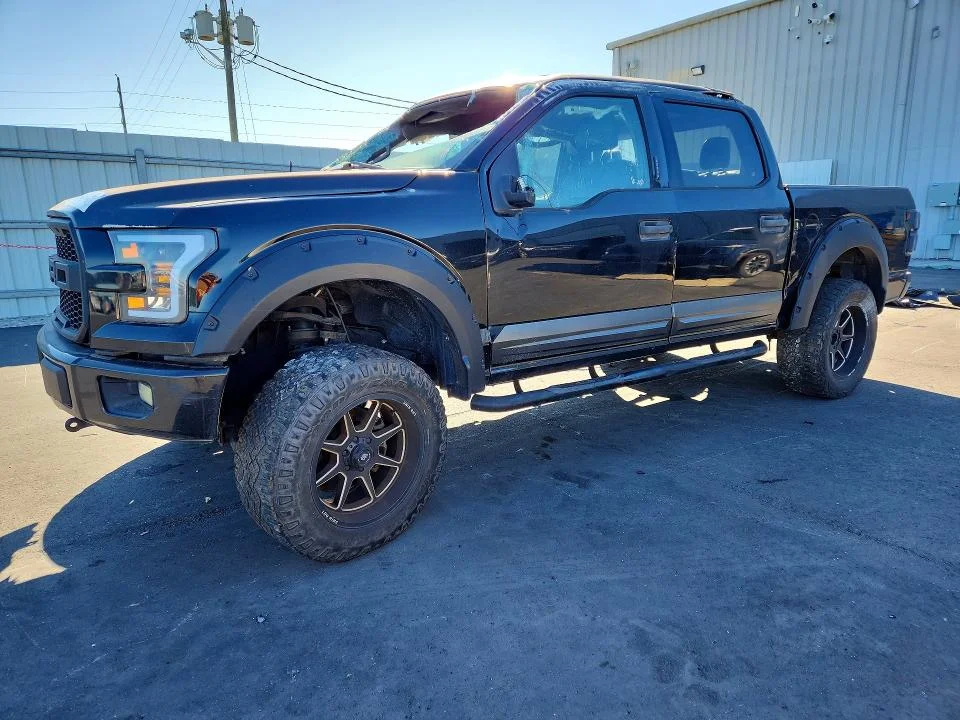
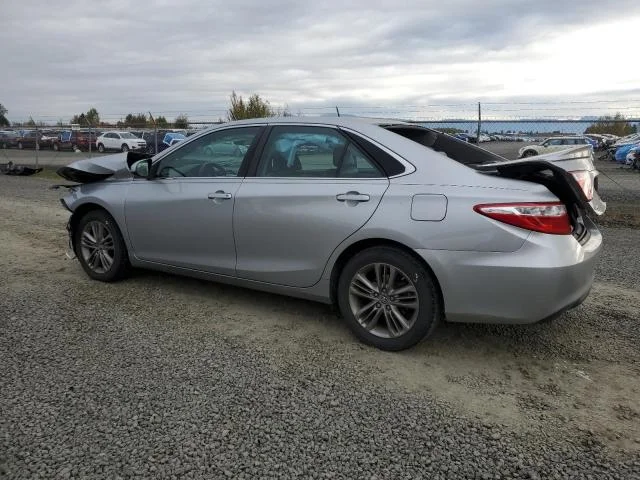
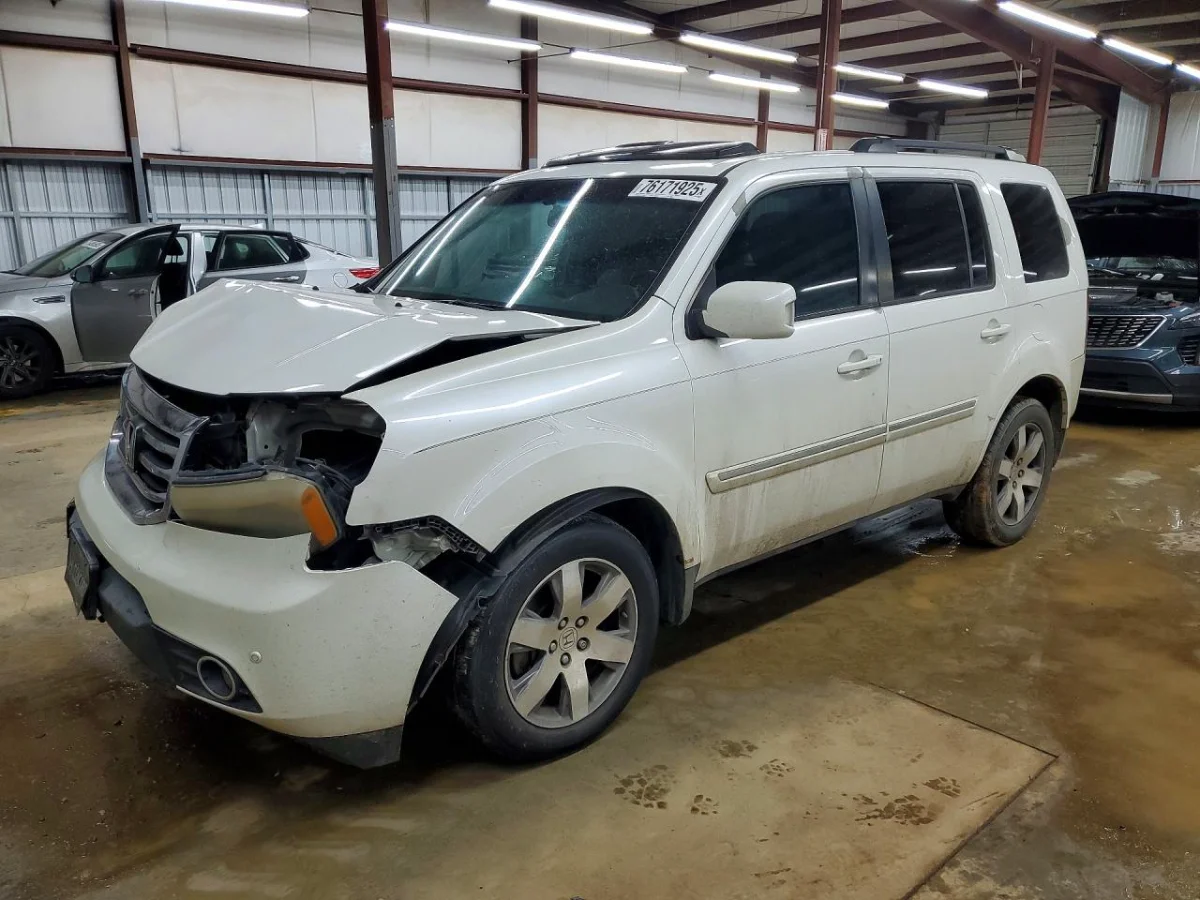
Share year, make, model, condition, pickup address and Virginia title status.
Confirm the number, towing access and a pickup window that works.
We come to the driveway, apartment, shop, lot, garage or storage yard.
The agreed amount is paid at pickup before the vehicle leaves.
Virginia offers commonly range from $250 for stripped shells to $15,000 for late-model trucks, SUVs, vans, hybrids and work vehicles. The final number depends on parts demand, title status, catalytic converter condition, coastal or flood damage, mountain-route towing and pickup access.
Yes. Free towing is included with every accepted Fred's offer. Same-day pickup is common in larger metros; rural, mountain, bridge-tunnel or gated pickups may need a longer route window.
A signed title is the cleanest path. The official Virginia DMV buying and selling guidance explains seller steps, including signing over the title, removing plates and notifying DMV.
Yes, but the paperwork has to match the vehicle. Virginia DMV has specific salvage and nonrepairable vehicle rules, so Fred's reviews branded-title and junk-title situations before pickup.
Virginia has independent cities that are treated as county-equivalent localities, so places such as Alexandria, Richmond and Virginia Beach stand on their own for local service coverage. See VACo's locality overview.
Yes. Coastal humidity, salt air, storm surge, flood history and parking-lot water intrusion can change price, but they do not automatically stop a sale.
Yes. Blue Ridge and Southside pickups may need extra route planning, but Fred's buys non-running, wrecked, old and high-mileage vehicles in those markets too.
You get paid at pickup after the driver verifies the vehicle and paperwork. Free towing is not deducted from the agreed offer.
Get a firm Virginia offer, free towing and cash at pickup.
Get My Free Cash Offer