
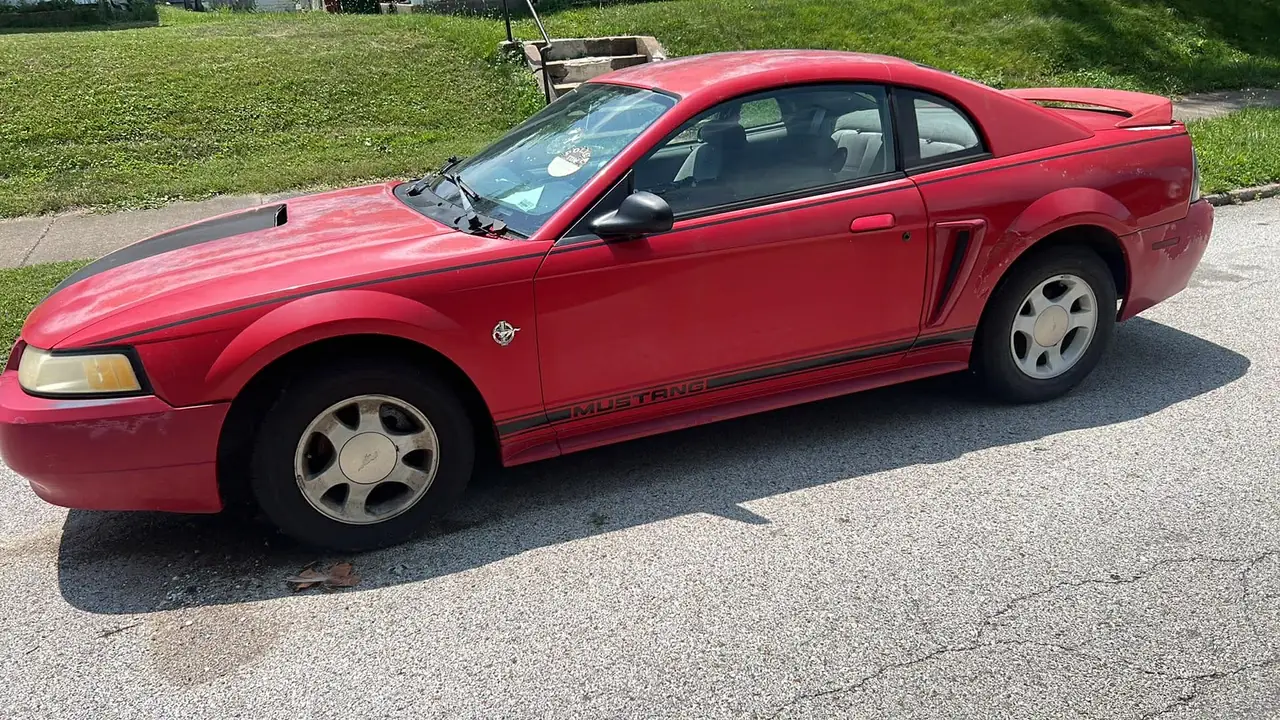
1999 Ford Mustang
Price$1,250
LocationBabylon, NY
ConditionRuns
Running or not – we pay cash on the spot.
Free towing. Same-day pickup. No hidden fees.
8:00 am – 8:00 pm
7 days a week
1033 E Powell Blvd
Gresham, OR 97030
An unwanted vehicle in Suffolk County may look like a simple towing problem, yet the correct path begins with two questions: where exactly is the car, and who has authority to transfer it? Those answers determine whether the situation is an owner-approved sale, paid transportation, a private-property removal matter, or an official abandoned-vehicle process. Treating those four situations as interchangeable can create paperwork, access, and payment problems.
Suffolk occupies the eastern portion of Long Island, but that geographic label does not make Nassau County, Queens, or Long Island City part of Suffolk. It also does not replace the name of the town or incorporated village governing the pickup address. A useful request for junk car removal in Suffolk County NY therefore starts with the full street address, the vehicle owner’s identity, the available ownership documents, and an honest description of where the car sits.
Fred’s Auto Removal can discuss a transaction after those facts are assembled. The contact number is 773-869-5144. A conversation should clarify the proposed buyer, the receiving party, the written offer, and any transport conditions rather than rely on a broad claim about all Suffolk vehicles.
The county includes ten towns and a number of incorporated villages. The official Suffolk towns and villages directory separates those governments, which matters because parking, outdoor storage, code enforcement, and private-property procedures may be written at different levels. A ZIP code or mailing address can be useful, but it does not always settle which municipality has authority over a parcel.
Begin by writing down the exact address and checking whether it lies in an incorporated village. If the seller says only “Long Island,” narrow the location before applying any local rule. If the address is actually west of Suffolk, use the appropriate Nassau or New York City information instead. That small location check prevents a rule from one municipality being presented as though it controlled an unrelated driveway or lot.
The county itself has a specific role in some situations. For example, Suffolk County Code Chapter 796 addresses covered nonconsensual towing from certain private parking fields open to the public. It concerns notice, authorization, receipts, and disputes in that limited context. It is not a blanket procedure for voluntarily selling your own vehicle, and it does not transfer ownership of a car left by somebody else.
An owner-authorized sale is the familiar path: the person with transfer authority agrees to sell the vehicle, the parties settle the terms, and a carrier may move it to the recipient. A paid tow is different. In that transaction, the vehicle owner pays for transportation to a chosen destination and may continue to own the vehicle afterward. Ask who pays whom and who becomes the owner after the move; those two answers expose much of the difference.
A removal from managed or private property adds another layer. A titled owner may have authority to sell the car but still need the property manager, repair shop, storage lot, employer, or homeowner to release it and allow a carrier on site. Conversely, a landowner does not automatically own a vehicle abandoned by a tenant, relative, customer, or previous resident. Property control and vehicle ownership are separate.
An abandoned or impounded vehicle belongs in an official process. The relevant town, village, police agency, or other authority may need to determine custody and removal. A private buyer cannot make that authority question disappear. Before requesting an offer, sort the situation with this short test:
New York DMV says a successful transfer generally needs proof of sale and acceptable proof of ownership. Its vehicle ownership transfer guidance explains that a private-sale bill of sale should identify the vehicle, VIN, sale date and price, buyer and seller, and signatures. That bill of sale records the transaction, but it does not universally replace the title or another form of ownership proof.
Check the name on the ownership record against the seller. If there are co-owners, determine whose signatures are required. If a lien still appears, assemble the proper lien-satisfaction evidence. An estate, business-owned vehicle, or sale through an authorized representative may require additional proof of signing authority. These are qualification questions for the buyer and DMV, not details to postpone until a carrier is waiting.
For a missing title, identify the vehicle year and the record that New York issued for it. A title-era vehicle ordinarily follows the title route, while an older vehicle may rely on the applicable transferable registration or another DMV-accepted record. A duplicate-title route may be the straightforward answer when the owner remains on record. Never assume that age alone makes paperwork optional.
Form MV-35 is also narrower than the phrase “no title” suggests. Under the official MV-35 form and instructions, the transfer must be made by the owner, the vehicle must be at least eight model years old and worth $1,250 or less, and the recipient must be a registered vehicle dismantler, itinerant vehicle collector, or certified scrap processor. The vehicle cannot later be titled. Every condition matters, including recipient status; the form is not a general substitute for proof whenever a title is missing.
A meaningful offer begins with the VIN, year, make, model, configuration, and location. Add the running condition, known collision or other damage, missing major parts, catalytic-converter status, key availability, and whether the vehicle is complete. Describe the wheels and tires, whether steering is locked, whether the transmission can be placed as needed for loading, and whether the brakes are stuck. Photos of the VIN, all sides, damage, wheels, and loading route can reduce uncertainty.
Ask for the proposed amount and all conditions in writing. The terms should identify whether transportation is included, whether recovery or winching changes the amount, what happens if the condition differs from the description, and whether distance, storage, cancellation, or failed access creates a charge. An impressive headline number is not comparable with another offer until both are reduced to the amount the seller actually receives under the same disclosed facts.
Do not invent a countywide price range from unrelated vehicles. Completeness, condition, documents, destination, access, and current business inputs can all matter. The useful comparison is between complete written transactions for this VIN, not anecdotes about a different model or an unsupported Suffolk average.
One company may provide a quote, another may dispatch a carrier, and a third may receive the vehicle. Ask for the legal name and business address of the contractual buyer, the identity the driver should present, and the name and address of the final recipient. Clarify whether the person on the phone acts as a buyer, broker, tow operator, dismantler, itinerant collector, or scrap processor.
These roles are not interchangeable. NY DMV provides tools for checking regulated businesses, while county records may be relevant to certain local categories. A record confirms the role and status it actually covers; it does not establish price, pickup availability, or an endorsement. Match the record to the legal name instead of treating a familiar trade name or phone number as sufficient proof.
Recipient identity is especially important when a transaction relies on MV-35, because the form limits who may receive the vehicle. It also matters for the receipt. The final paperwork should make it possible to identify who acquired the VIN and where the vehicle went, even when a separate carrier performed the physical move.
Suffolk addresses range across many property types, but no one should assume a car is on a farm, at a coastal home, on soft ground, or behind a long driveway merely from the county name. Ask about the real site. Is the vehicle on a public street, private driveway, apartment lot, repair-shop yard, garage, storage facility, or other managed property? Who can authorize entry and release?
Walk the route from the vehicle to the public roadway. Note gate width, overhead clearance, turns, grade, surface firmness, parked vehicles, landscaping, fences, and any place where loading equipment would need room. State which end of the vehicle faces the exit. Record whether all wheels are present, tires hold air, steering moves, keys are available, doors can be opened, and another vehicle blocks the path.
A car that cannot roll may still have a possible transport path, but the carrier must evaluate it from accurate details. Do not move the vehicle into a street, remove barriers, or promise access on somebody else’s property without authorization. If it sits at a shop or storage lot, obtain that site’s release requirements and any account issue directly from the custodian before arranging arrival.
The address determines which local authority can answer a storage or property question, but it does not determine the car’s value, completeness, ownership, or loading condition. Two vehicles on the same street can follow different document routes and require different transport plans. Keep the municipal check in one part of the file and the VIN-specific information in another.
Likewise, a vehicle condition does not select a municipality. Flat tires, missing keys, collision damage, or a lost title never turn a Nassau, Queens, or Long Island City address into Suffolk County. When an online result combines a broad Long Island label with specific-looking claims, verify the pickup county, buyer address, and recipient independently.
This separation also helps when speaking with officials. Ask a town or village about the parcel, public or private position, and local rule. Ask DMV about ownership, plates, liens, and transfer records. Ask the buyer and carrier about the vehicle, transaction, destination, and access. Each party can then answer within its actual role.
The county overview cannot resolve every municipal distinction. A vehicle in Babylon needs a village-versus-town check. A Brookhaven address raises town-versus-hamlet and abandoned-vehicle questions. Plain Islip should not be replaced by Central Islip, Bay Shore, or Brentwood merely because they share the Town of Islip. Huntington and Huntington Station are also separate named places.
Farther east, Patchogue Village differs from East or North Patchogue; Riverhead may mean the town or hamlet; Smithtown may involve an incorporated village; and Southampton requires a careful Town-versus-Village check. The Southampton guide is useful only when that is the actual pickup location. Location links are routing tools, not evidence that one business rule or pickup condition covers all neighboring communities.
Before signing, compare the VIN on the car, ownership proof, bill of sale, and receipt. Read every statement and correct inaccurate condition, value, or authority language. Confirm the amount and payment form already agreed upon. If the arriving driver’s identity or transaction terms do not match the written arrangement, pause and contact the contractual buyer through a verified channel.
Remove personal belongings and deal with plates, registration materials, and inspection stickers in the sequence required by New York DMV. DMV directs owners to surrender plates and registration before canceling liability insurance. Do not let pickup pressure reverse that order. Keep copies of signed transfer documents, the bill of sale, VIN-linked receipt, payment evidence, buyer and recipient details, photographs when useful, and proof of the plate transaction.
A sound Suffolk County junk-car decision is built from authority, exact jurisdiction, acceptable ownership proof, a verified recipient, complete written terms, and a workable access plan. Those details may not produce a universal answer, but they give the owner a defensible path from an unwanted vehicle to a documented handoff.
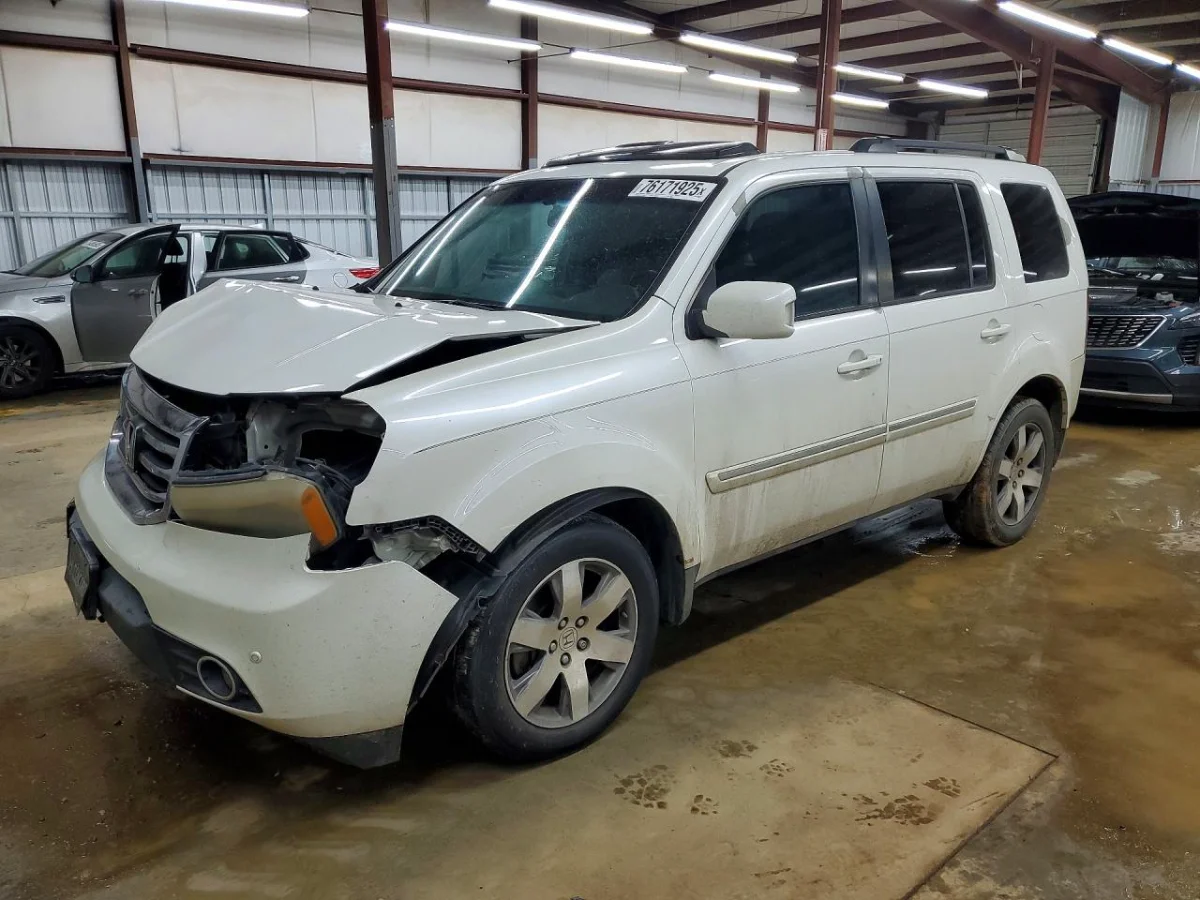
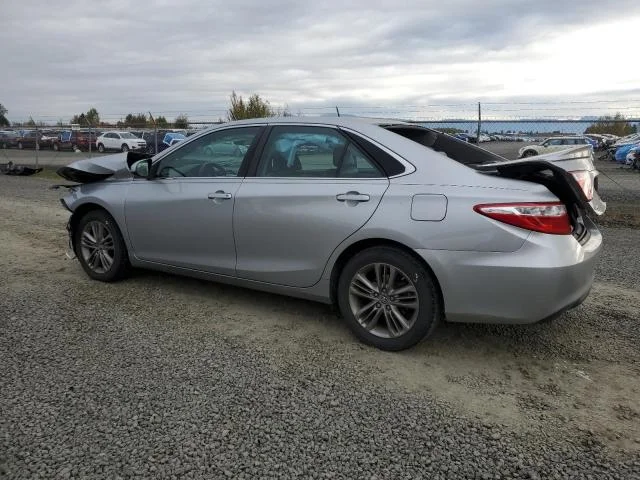
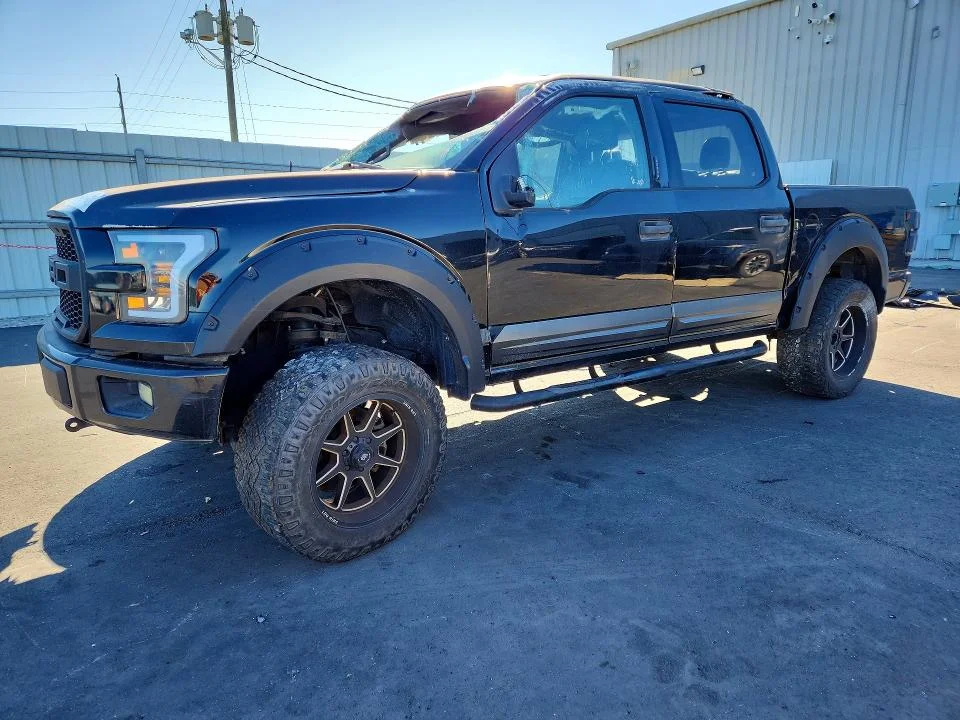
Sample pickups like the vehicles Fred’s regularly buys: non-running cars, damaged SUVs, old trucks and unwanted commuters with free towing included.
Share your vehicle year, make, model, Suffolk ZIP code and condition for a fast no-obligation offer.
If the price works for you, pick a pickup window that fits your schedule and access situation.
We come directly to the confirmed Suffolk pickup address and handle the tow at no charge.
Payment is made at pickup before the vehicle leaves your property.
A missing title does not create one universal route. Check whether DMV accepts another ownership record, whether a duplicate title is appropriate, or whether every owner, age, value, recipient, and scrap-only condition on MV-35 is satisfied.
A bill of sale documents the transaction, but New York DMV generally also requires acceptable proof of ownership. It should identify the vehicle, VIN, parties, date, price, and signatures without being treated as a replacement for every title requirement.
Owning or managing the land does not automatically establish ownership of the vehicle. If the titled owner has not authorized a sale, use the applicable town, village, police, county, or DMV abandoned-vehicle process.
Terms depend on the specific offer. Ask for written treatment of transportation, distance, recovery or winching, storage, failed access, cancellation, and any condition change before agreeing to the transaction.
Request the legal business name, address, transaction role, final recipient, and driver-identification plan. Check the relevant New York DMV business record and any role-specific Suffolk County record instead of relying only on a trade name.
Report the property type and permission, gate and route, surface and grade, vehicle orientation, keys, wheel and tire condition, steering, brakes, garage clearance, and any blocking vehicle. The carrier needs actual site facts, not countywide assumptions.
Keep copies of accurate signed transfer documents, the bill of sale, VIN-linked receipt, payment evidence, buyer and recipient identities, and any useful photographs. Also retain the DMV record for plate surrender or transfer.
From Babylon, Brookhaven, East Hampton, Huntington, Islip, Riverhead, Shelter Island, and Smithtown and nearby Suffolk County communities, Fred’s Auto Removal offers free towing, clear pickup planning and cash payment.
Get My Free Cash Offer