
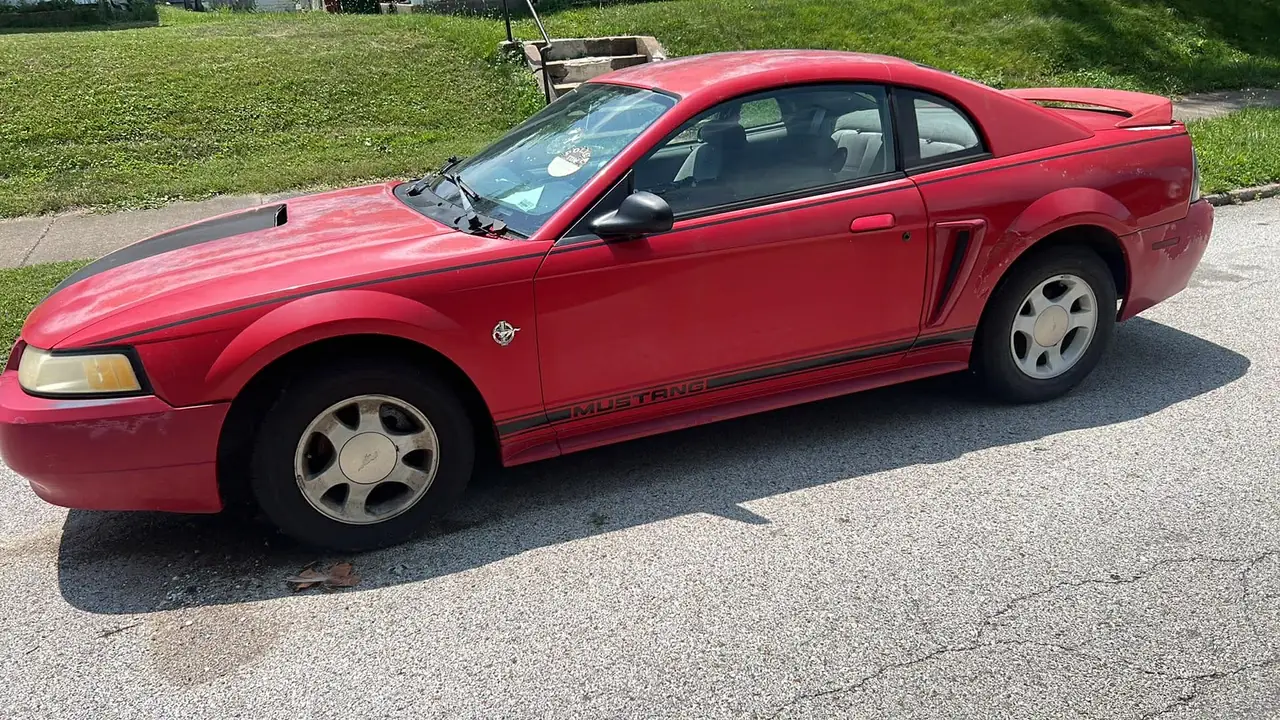
1999 Ford Mustang
Price$1,250
LocationFlatbush, NY
ConditionRuns
Running or not — we pay cash on the spot.
Free towing. Same-day pickup. No hidden fees.
8:00 am – 8:00 pm
7 days a week
1033 E Powell Blvd
Gresham, OR 97030
“Flatbush” can mean a neighborhood, a broader historical area, or simply part of a street address on Flatbush Avenue. It is not automatically East Flatbush, and a car located somewhere along the avenue may be in another Brooklyn neighborhood. Accurate removal planning begins by fixing the actual point on the map.
Give the complete address, borough, ZIP code, property name when one exists, and the car’s position within that address. That simple step prevents an avenue name or familiar neighborhood label from carrying access assumptions it cannot support.
New York City’s Brooklyn board directory lists Flatbush, Midwood, Kensington, and Ocean Parkway under Community Board 14. These names help orient an inquiry, but one does not substitute for another and the grouping does not establish an exclusive service area.
A City Planning study describes a particular Flatbush rezoning area using portions of Caton, Parkside, and Clarkson Avenues to the north, Bedford Avenue and the district boundary to the east, Campus Road and the Bay Ridge freight line to the south, and Coney Island Avenue to the west. That is the studied area, not a universal legal definition of the neighborhood.
If the car is in East Flatbush, Midwood, Kensington, Ditmas Park, or another location, say so. If the only Flatbush signal is the avenue name, identify the neighborhood separately. Coverage and route decisions should be tied to the complete address.
An avenue position can involve current bus, loading, parking, or traffic controls. NYC DOT identifies Church Avenue, Flatbush Avenue, and Utica Avenue as important Central Brooklyn corridors, but the sign governing the actual parking space is what the owner must follow. State the side of the street and the restrictions now posted.
Side streets have their own conditions. Record alternate-side periods, temporary notices, space around the vehicle, driveway and hydrant clearance, wheel direction, and whether the car is tightly parked. An appointment does not reserve curb space or permit the removal vehicle to block traffic.
For a private driveway, explain whether it is shared, gated, steep, narrow, or blocked. Measure the entrance if clearance is uncertain. Confirm who may authorize access and whether another owner or tenant must move a vehicle first. A visible curb cut does not alone prove that the planned loading position is lawful.
A repair shop or collision facility may be the safest place to keep a damaged car, but the owner must understand the shop’s release requirements, hours, storage status, and person authorized to hand over the keys. Do not move the car to a public avenue merely to make pickup sound simpler.
Before asking what a buyer will accept, inspect what the owner has. Compare the VIN and owner name on the title with the car. Look for a lien, existing buyer entry, prior signature, torn area, erasure, or cross-out. Determine whether the title is current or whether a duplicate was later issued.
New York DMV’s ownership-transfer guidance says most sales require proof of ownership and proof of sale. A usual titled sale includes the seller’s completed transfer section and a signed MV-912 Vehicle Bill of Sale. The parties should complete every required field accurately rather than signing blank forms.
For most model-year 1973 or newer motor vehicles, New York uses a title. A transferable registration may be the ownership proof for a 1972-or-older vehicle. The rule for older cars does not make a registration card sufficient for every newer car, and possession or keys are not ownership proof.
The title can also require seller disclosures. Damage information must be completed as instructed, and odometer disclosure may apply according to model year and age. Report what is known without inventing a diagnosis or altering a title brand. The transfer document should agree with the actual vehicle.
A lien, estate, business owner, title in a previous owner’s name, or out-of-state certificate can change who signs and which supporting records are needed. Resolve those issues before scheduling. A property manager or mechanic may release the premises or keys without having power to transfer title.
If the certificate is lost, the titled owner may be eligible to request a replacement. DMV says eligible applications can be made through specified methods and that the certificate is mailed, not issued immediately across a counter. Once a duplicate is processed, an older title is invalid.
If a name, date, mileage, or buyer field is wrong, do not use an erasure, correction fluid, or cross-out. DMV warns against altered title entries. Seek the proper correction or replacement route before offering the car for transfer.
A broad statement that a car can be sold without a title is not enough. Ask the legal buyer exactly which DMV-recognized proof it can accept for this vehicle, and preserve that answer. Ownership review should happen before a removal provider is assigned.
List the year, make, model, trim if known, VIN, mileage if readable, and why the owner is considering a sale. Then describe present operation: starts or not, neutral availability, parking brake, steering, keys, wheels, and tires. Say whether the car can roll safely and whether its path out is clear.
Disclose collision damage, deployed airbags, water or fire exposure, visible leaks, broken glass, and long storage when applicable. Name missing components such as a battery, catalytic converter, wheel, or body part. Do not assign a fixed dollar effect or promise that a condition will be accepted.
Photographs can show all sides, damage, wheels, interior issues, and the exact avenue, driveway, or shop position. A wide access image is often as important as a close damage view. Keep the images sent so inspection can be compared with the facts used for written terms.
Ask the buyer to state the amount, vehicle identity, and important assumptions in writing. Find out whether inspection remains, what discrepancy can change the terms, who approves a change, and when the offer needs reconfirmation. The owner should be free to review any revision before transferring the car.
Define the removal arrangement. Is towing included in the stated amount or separate? Can tolls, avenue access, a garage or shop fee, winching, missing wheels, waiting, or cancellation change the net result? Which company will tow, and how can its identity be verified?
Payment details should specify the legal payer, method, point in the transaction, and receipt. No universal method or timing is promised here. The buyer, payer, towing provider, and receiving entity may be different, so name each role.
DSNY’s current street-cleaning instructions say alternate-side rules last for the entire posted period after a sweeper passes. They also state that passenger vehicles may not double-park. A proposed removal does not create a temporary exception on a Flatbush side street or avenue.
Read the actual sign rather than relying on a general schedule. Temporary notices, construction, bus operations, loading rules, and other controls can change what is lawful. If the car cannot be repositioned safely, make that deadline part of the removal inquiry.
Do not strip plates from a car that will continue to occupy a public street. Coordinate their removal with transfer and actual departure. An unplated vehicle may be handled under a different City process, and a seller should not create an abandonment issue while arranging a legitimate sale.
New York DMV instructs sellers to remove the license plates and windshield registration sticker before the sale is completed. Plates can be transferred to another eligible vehicle or surrendered. They should not travel with the sold car simply because removing them is inconvenient.
When the owner will surrender the plates, the plates and registration must be turned in before New York liability insurance is canceled. Keep the DMV surrender receipt and then coordinate the policy change with the insurer. Reversing the order can cause registration and possible license consequences.
The titled owner authorizes the vehicle transfer. The landlord, manager, garage, lot, or shop may control physical access. A successful handoff may require both. Identify who opens the gate, approves work, moves blocking cars, and signs any property release.
If the vehicle was left by somebody else, the property owner does not automatically gain the right to sell it. Use the applicable abandoned-vehicle or legal removal procedure rather than signing as the owner. Exact authority matters more than possession.
This order makes the address and document review precede the scheduling conversation. It is especially useful when a familiar avenue name has hidden the true neighborhood or a shared drive has been treated as simple access.
An owner may consider moving a car from Flatbush Avenue to a quieter side street before removal. That change needs its own safety and legality review. A vehicle that cannot be driven safely should not be operated, and a tow should not place it where signs, registration status, hydrants, driveways, or alternate-side rules create a new violation.
If a lawful move is possible, update the buyer with the new exact address, curb side, signs, spacing, and photographs. Access terms based on the avenue do not automatically carry to the side street. Record who moved the car and whether any separate charge applies.
A repair decision can use a written diagnosis, estimated cost, uncertainty about further work, expected use, and the owner’s ability to keep the vehicle legally stored. A sale decision can use the actual written amount, removal conditions, transfer requirements, and effort. Neither route should be evaluated through a generic claim about what an old or damaged car is worth.
If a shop has disassembled part of the vehicle for diagnosis, ask whether all components are present and whether it can roll. Confirm any shop release before changing course. A private listing or donation also requires accurate condition and ownership disclosure, so the same document and photo work remains useful.
Give the decision a defined point for reevaluation. A repaired title issue, newly available estimate, changed parking situation, or further damage may alter the comparison. Update every party rather than carrying forward terms based on old facts.
When comparing routes, include the cost and authority needed to move the car from its present site. A decision that looks better only after assuming a free or unrestricted relocation is incomplete. Use actual written transport and property terms.
Keep the offer and condition description, photographs supplied, title-assignment or accepted ownership record, bill of sale, buyer identity, payment or receipt evidence, tow details, and property release. Record the VIN and transfer date.
Remove personal documents, toll tags, permits, garage controls, medication, tools, and belongings. Delete paired phones and stored navigation history if possible. Photograph the empty car and plate status immediately before removal.
For a vehicle at a confirmed Flatbush address, Fred’s Auto Removal can be reached at 773-869-5144. Coverage, title acceptance, access capability, vehicle eligibility, scheduling, payment, and all removal costs or conditions require specific confirmation.
The Kings County and Brooklyn overview offers broader borough guidance. This Flatbush treatment remains concerned with the exact address and the legal route from its present parking place.
Sample pickups like the vehicles Fred’s regularly buys: non-running cars, damaged SUVs, old trucks and unwanted commuters with free towing included.
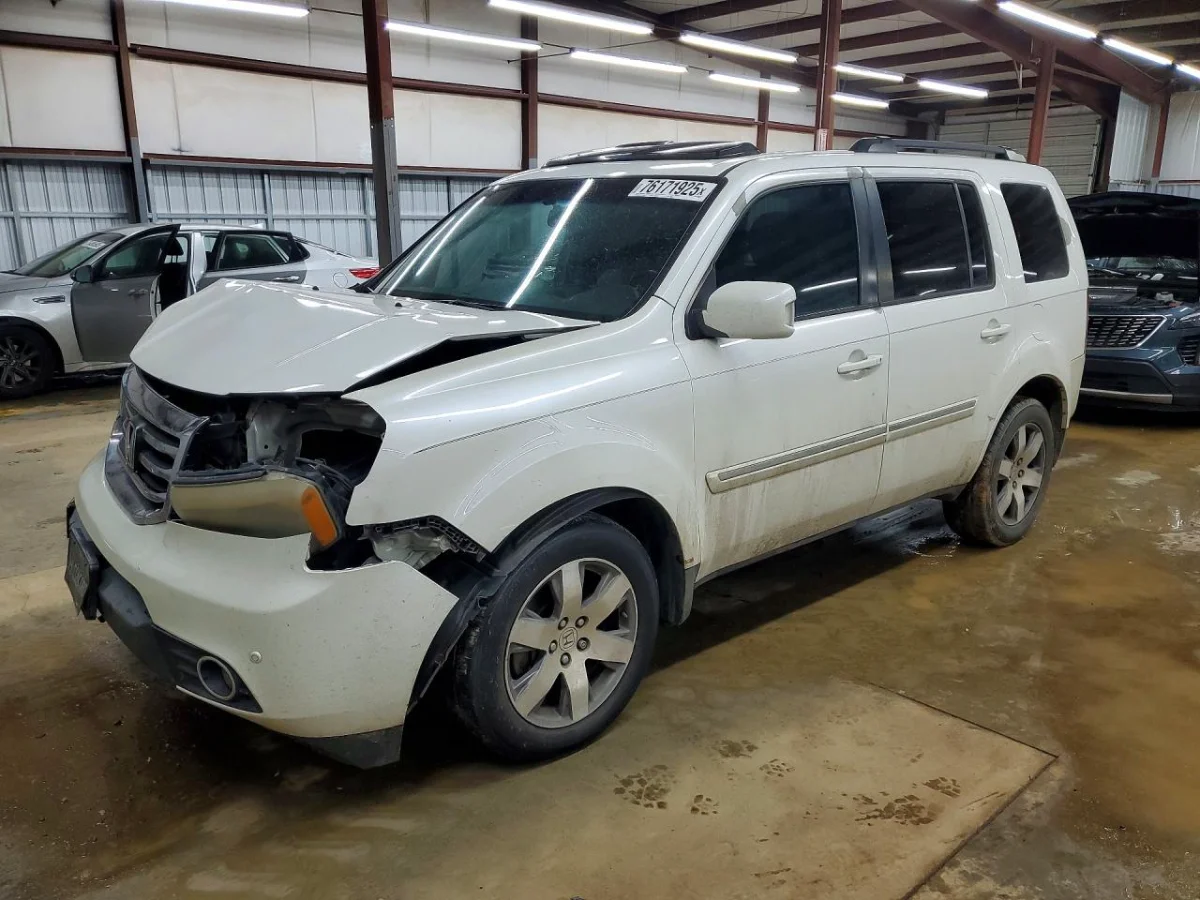
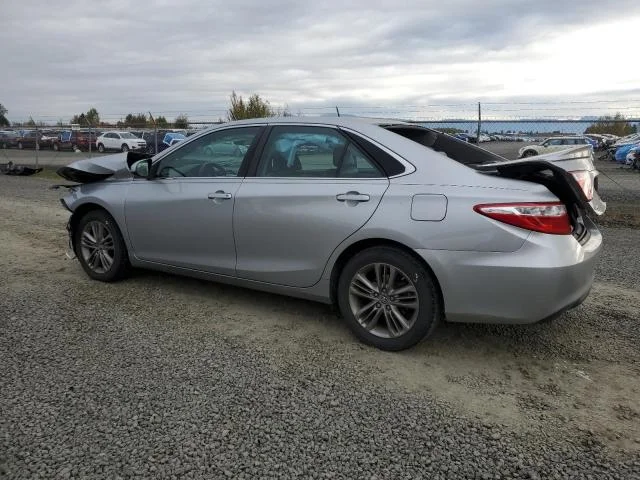
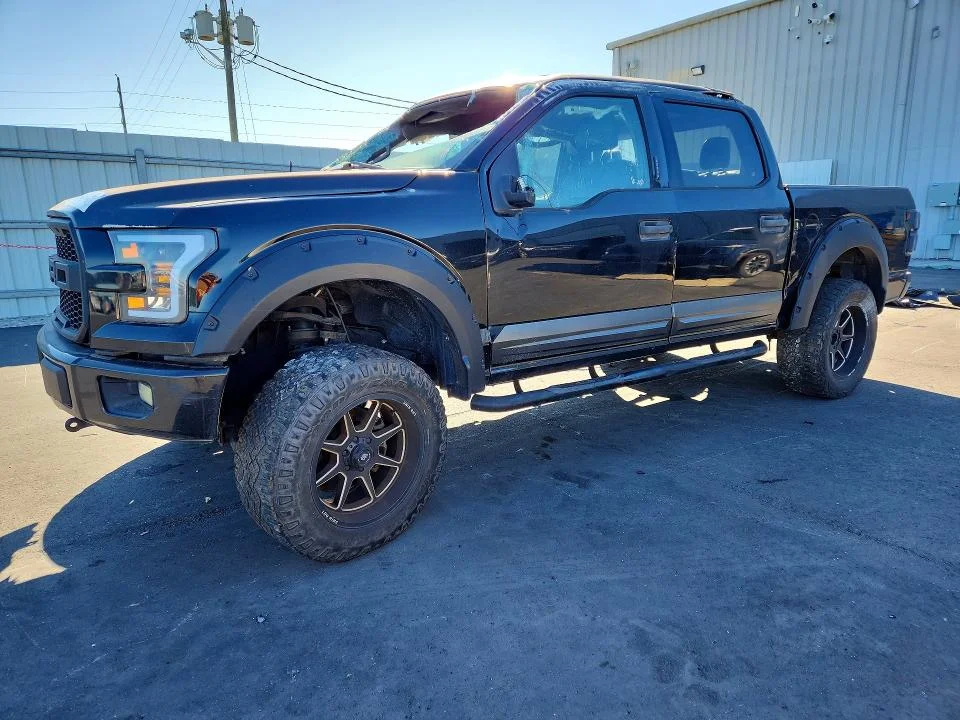
Share the vehicle year, make, model, Flatbush ZIP code and condition for a fast no-obligation offer.
If the price works for you, pick a pickup window that fits your schedule and access situation.
We come directly to your Flatbush address and handle the tow at no charge.
Payment is made at pickup before the vehicle leaves your property.
No. They are distinct Brooklyn neighborhood names, and an exact address should guide the service and access discussion. Do not infer East Flatbush or Flatbush from a broad direction alone.
No. Flatbush Avenue passes through multiple parts of Brooklyn. Provide the full address and identify the actual neighborhood instead of using the avenue name as the only location signal.
It depends on current signs, a lawful working position, traffic and loading controls, the car's wheels and steering, keys, and confirmed removal capability. The precise side and block must be reviewed.
Most transfers need proof of ownership and proof of sale, commonly a correctly completed title and MV-912 bill of sale. Older vehicles and unusual ownership histories may use different DMV-recognized records.
The titled owner may need a mailed duplicate or proper correction. Do not erase, cross out, or overwrite a title entry; ask New York DMV and the legal buyer which valid document is required.
Remove the plates and registration sticker before completing the sale. Transfer or surrender the plates as applicable, and surrender them before canceling New York liability insurance when they are not transferred.
No. Current posted rules remain in force until the car has lawfully left. An appointment does not permit double-parking, reserve avenue space, or suspend an alternate-side restriction.
From Flatbush to nearby Williamsburg, Greenpoint, Bushwick, Bedford-Stuyvesant and Crown Heights communities, Fred’s Auto Removal offers free towing, clear pickup planning and cash payment.
Get My Free Cash Offer