
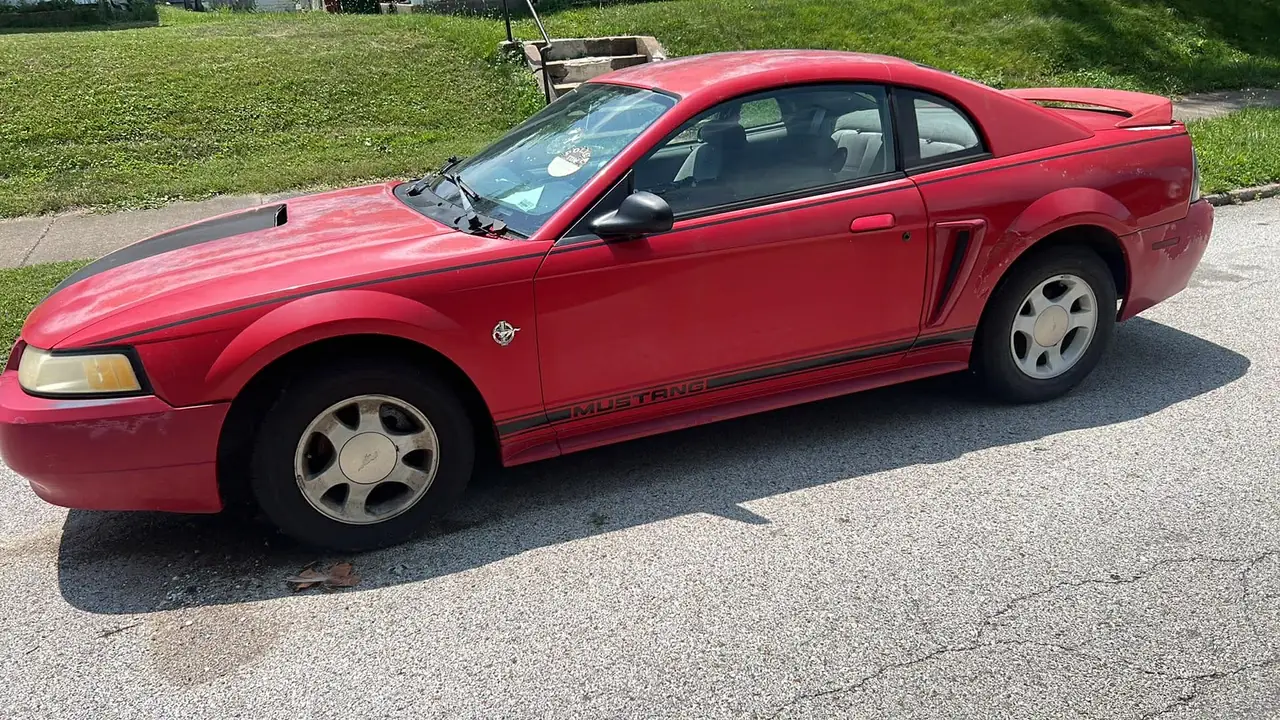
1999 Ford Mustang
Price$1,250
LocationMott Haven, NY
ConditionRuns
Running or not – we pay cash on the spot.
Free towing. Same-day pickup. No hidden fees.
8:00 am – 8:00 pm
7 days a week
1033 E Powell Blvd
Gresham, OR 97030
An unwanted vehicle can be costly to keep even when it no longer moves. It may occupy a needed curb space, sit at a repair shop while storage questions build, or block a driveway that the household needs. Before comparing ways to sell it, start with three practical checks: identify the vehicle accurately, confirm who can transfer it, and explain exactly where it can be loaded. Those answers matter more than a string of neighborhood names or a hurried estimate.
Bronx County and the borough of the Bronx are the same geographic area. NYC311’s county guide makes that relationship clear. If the vehicle is elsewhere in the state, use Fred’s New York service guide instead of treating this county guide as statewide. The county includes very different pickup settings, however, from a public curb or apartment lot to a repair property, private driveway, or low-clearance garage. A useful plan has to fit the actual address rather than treating every Bronx County vehicle alike.
A direct vehicle sale may be worth considering when repair costs, repeated breakdowns, collision damage, or the work of arranging a private sale no longer makes sense to the owner. It is not the only route. A running car may still suit a private buyer or trade-in, while a badly damaged or incomplete car may interest a properly regulated dismantler. The best choice depends on the vehicle, the paperwork, the owner’s priorities, and the written terms available.
Begin with the VIN, model year, make, model, and current mileage if it can be read. State whether the engine starts and whether the vehicle can move under its own power. Then describe what a loading operator would encounter: keys present or missing, steering locked or free, transmission position, brakes, wheels, tire condition, collision damage, missing components, and visible fluid leaks. “Non-running” alone does not answer those recovery questions.
Condition should be described plainly, including defects that are easy to overlook in photos. Mention a removed catalytic converter, missing battery, damaged suspension, deployed airbags, flood exposure, fire damage, or major body panels that no longer close if any applies. Do not assume a buyer accepts every condition. Accurate disclosure gives the receiving party a chance to confirm eligibility, equipment, and terms before anyone reaches the address.
These details also make an offer easier to evaluate. Vehicle identity, completeness, condition, documentation, market demand, and pickup difficulty can all affect a proposed amount. Ask what facts the offer assumes, which discrepancies may change it, whether transportation is included, and whether any deduction could arise from access. A seller should know the final payer, payment method, and right to decline changed terms before signing anything.
Once the vehicle description is complete, use it consistently when comparing choices. A repair estimate should address the known failure and any related work, while a private-sale plan should account for photographs, messages, showings, and a buyer who may expect the car to be drivable. A trade-in discussion may depend on buying another vehicle. A dismantling or direct-purchase proposal may place more weight on completeness, reusable components, ownership records, and access. No single route is automatically best for every owner.
Ask each prospective buyer to respond to the same written snapshot rather than giving one buyer a full damage list and another only the make and model. Record the proposed amount, how long the terms remain open, what happens if condition differs, who arranges transportation, whether transportation changes the amount, and which documents are required. When a third-party operator will load the car, identify that company too. The point is to compare complete transactions, not attractive numbers with different assumptions behind them.
Keep control of personal and vehicle information during the comparison. Share the VIN and document facts needed for an assessment, but remove unrelated papers from the glove box and avoid sending more identity information than the receiving business reasonably requires. Before signing, confirm that the buyer name in the transfer record matches the participant identified in the terms. A clear comparison can reveal that the highest preliminary number carries unresolved access deductions, while a lower one is better documented; the owner can then decide based on the whole arrangement.
Possession of a car is not the same as authority to sell it. The name and VIN on the documents should be compared with the seller and vehicle before pickup planning goes too far. Under the usual New York transfer, NY DMV says a successful transfer generally needs proof of ownership and proof of sale. For a titled vehicle, the seller normally completes the transfer section and can use an MV-912 bill of sale.
Model year changes the document question. For a car, truck, or motorcycle from model year 1973 or newer, DMV generally calls for the original title or another acceptable original or certified document. A qualifying New York transferable registration can serve as ownership proof for a model-year 1972 or older vehicle when paired with a bill of sale. The agency’s acceptable proof guide explains the distinctions; a photocopy or an unrelated registration should not be assumed sufficient.
If the title was lost, the ordinary starting point is a replacement rather than a verbal “no title” assurance. Eligible owners may request a replacement title through DMV online, by mail, or at an office. The replacement is mailed and is not issued over the counter. Build that delay into the plan instead of arranging a handoff that cannot be documented properly.
A title in someone else’s name needs to be resolved, not signed around. Inherited vehicles, business-owned vehicles, leases, and other special situations may require additional proof or an authorized signer. When a lien is shown, determine whether it remains open. If it has been satisfied, the seller may need the original lien release along with the original title. Never sign blank transfer forms or accept an instruction to imitate another person’s signature.
New York’s MV-35 is a narrow disposal route, not a general substitute for a title. Under the current MV-35 instructions, the owner may use it only when the vehicle is at least eight model years old, has a value of $1,250 or less, and goes to a registered vehicle dismantler, registered itinerant vehicle collector, or certified scrap processor. It cannot be used for a private-party transfer, an ordinary tow driver, or a charity, and the vehicle can never be titled again. Every condition must be confirmed, including the recipient’s status.
The pickup address is only the beginning. State where the vehicle sits on the property, how another vehicle could approach it, and where loading could occur without blocking traffic or violating a posted restriction. In Bronx County, the answer can change from one side of a street to the other. NYC DOT’s parking guidance notes that the entire city is a tow-away zone and that illegal parking or missing or expired registration and inspection stickers can lead to towing.
For a curbside car, read the signs at the proposed time rather than relying on memory. Note hydrants, driveways, intersections, bus or loading restrictions, alternate-side rules, and whether there is enough lawful working space. A vehicle that cannot roll or steer may require a different position or recovery method. Do not remove the plates early and leave the car on a public street while waiting for an uncertain appointment.
A driveway is private, but it is not automatically easy to reach. Mention the slope, surface, gate width, parked vehicles, overhead wires or branches, tight turns, and whether there is a straight path from the car. A garage adds entrance height and width, interior clearance, ramps, ventilation or towing restrictions, and building hours. Measurements and photographs may be needed before the provider can decide whether the vehicle must first be moved to another accessible location.
In a managed apartment, condominium, co-op, or commercial lot, the vehicle owner and property controller may be different people. Confirm the manager or lot contact, access hours, gate instructions, required paperwork, and a place where the operator is allowed to work. Property permission does not prove ownership of the vehicle, and ownership documents do not grant a truck permission to enter private property. Both questions need answers.
A repair shop or storage facility can control physical release even when the customer owns the car. Ask the shop what must be resolved, who will be present, when another operator may enter, and where the car can be loaded. Any shop balance, storage amount, or release condition belongs in the seller’s planning; it should not be assumed that a buyer will pay it or negotiate it away.
New York’s plate sequence matters, especially when the vehicle is parked at the curb. Before completing the sale, DMV directs the seller to remove the plates and registration sticker. If the plates will not be transferred to another vehicle, surrender the plates and registration before canceling New York liability insurance. DMV’s instructions also call for destroying the registration and inspection stickers. Keep the plate-surrender receipt with the sale records.
Coordinate these steps so the buyer does not drive away on the seller’s plates and the seller does not create an unplated street vehicle. At the handoff, remove personal property, toll devices, permit tags, and identifying records from the cabin and trunk. Compare the VIN one more time, complete rather than pre-sign transfer documents, and retain copies of the signed title section, bill of sale, agreed terms, and transaction receipt.
Removing plates does not turn an owner’s disposal problem into a city collection request. NYC uses different procedures for vehicles on public property depending on whether plates are present. Its private-property route is for a plate-less vehicle abandoned by someone else and has separate conditions. The NYC311 abandoned-vehicle guidance is the proper place to identify that process. An owner who wants to sell a vehicle should arrange a lawful transfer instead of leaving it behind.
A vehicle already impounded, leased, or held under someone else’s authority is also outside an ordinary curbside sale. Contact the agency, owner, lienholder, property controller, or shop that has custody and establish what release is permitted. A prospective buyer cannot erase those rights merely by offering transportation.
The countywide framework stays the same, but its practical emphasis changes by setting. The Bronx selling checklist follows one vehicle from description through transfer. The Fordham removal guide separates a purchase pickup from a towing-only service and addresses shop custody. The Hunts Point guide makes the authorized signer, site contact, and gate details central for an industrial or controlled property.
The Mott Haven guide turns on the difference between vehicle ownership and permission to enter managed property. The Riverdale access guide requires a close look at a driveway or garage recovery path. The Throgs Neck guide adds spelling clarity and a reminder that bridges, expressways, and their approaches are not loading points. These are planning distinctions, not promises that any provider can reach every address or handle every vehicle.
A buyer, a towing company, and the dismantler or processor that receives the vehicle may be separate businesses. Ask for the legal name and role of each party, who is contracting with the seller, who is paying, and where the vehicle is going. New York offers a DMV regulated-business finder for dismantlers and related businesses, while the city’s DCWP license lookup can help with covered towing activity. One status does not prove every role.
Written clarity is more useful than urgency. Confirm the vehicle description, ownership route, loading conditions, transportation treatment, adjustment policy, and final documentation. A Bronx County owner can discuss those facts with Fred’s Auto Removal at 773-869-5144, but eligibility, access, timing, and terms still depend on the specific vehicle and location. A careful three-check file makes that conversation shorter and the eventual handoff easier to verify.
Sample pickups like the vehicles Fred’s regularly buys: non-running cars, damaged SUVs, old trucks and unwanted commuters with free towing included.
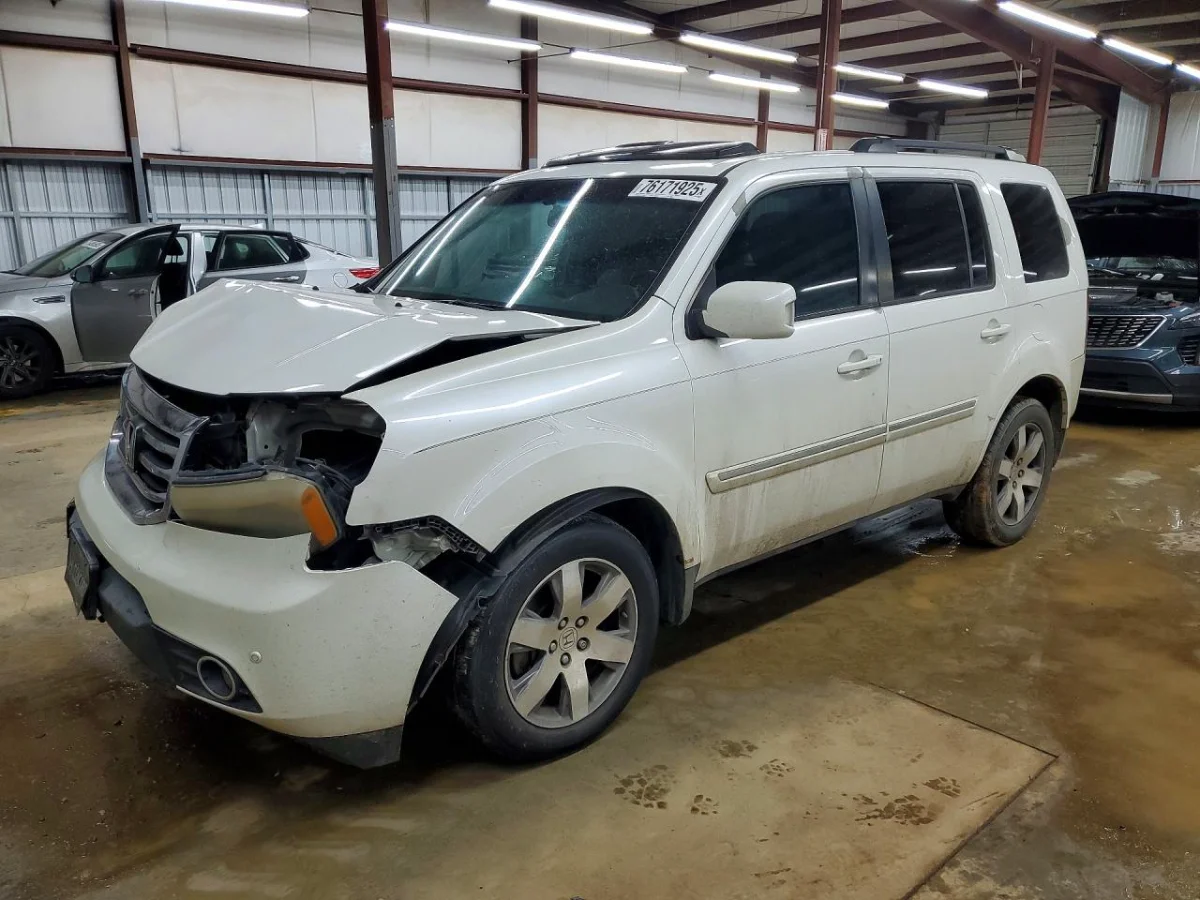
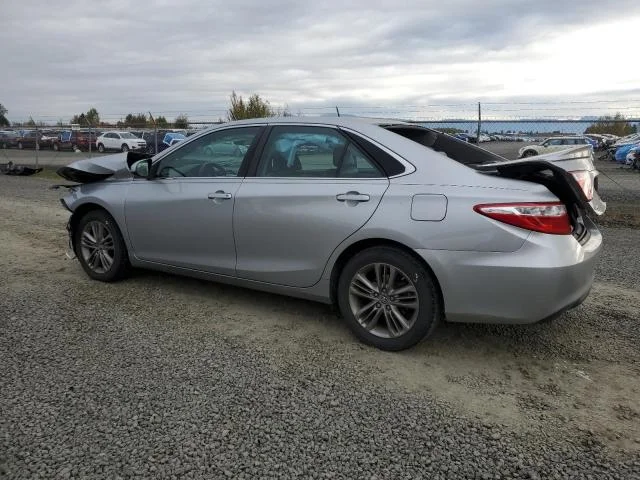
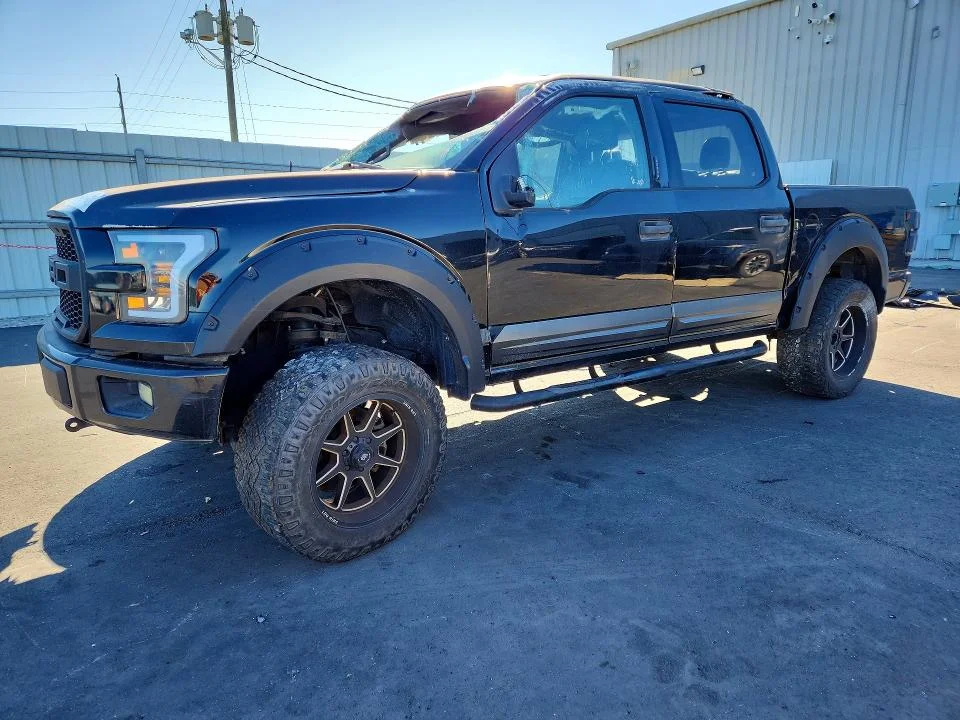
Share your vehicle year, make, model, Bronx ZIP code and condition for a fast no-obligation offer.
If the price works for you, pick a pickup window that fits your schedule and access situation.
We come directly to the confirmed Bronx pickup address and handle the tow at no charge.
Payment is made at pickup before the vehicle leaves your property.
A typical transfer of a 1973-or-newer vehicle uses the original title, a completed transfer section, and proof of sale such as an MV-912. Eligible 1972-or-older vehicles may use a New York transferable registration with a bill of sale, and a shown lien may require the original lien release.
The usual starting point is a replacement title from NY DMV. MV-35 is limited to an owner transferring a vehicle at least eight model years old and worth $1,250 or less to a qualifying registered or certified recipient for permanent dismantling or scrap.
Remove the plates and registration sticker before completing the sale. If the plates will not be transferred, surrender the plates and registration before canceling New York liability insurance, and coordinate pickup so the car is not left unplated on a public street.
Collection depends on a safe, lawful loading position, the posted curb rules, and the vehicle's ability to roll and steer. Give the exact address and current restrictions to the provider; a boroughwide statement cannot establish that every curb is usable.
Confirm permission from the property controller or shop, access hours, gate instructions, clearance, and any release balance or paperwork. Also describe keys, steering, wheels, and leaks so the provider can decide whether the site and vehicle are workable.
Vehicle identity, mileage, condition, completeness, running status, keys, wheels, ownership and lien records, demand, and loading access can matter. Ask which facts the proposed amount assumes, what could change it, and whether transportation or other deductions are included.
Identify the legal name and role of each party first. NY DMV has a regulated-business finder for dismantlers and related operations, while NYC DCWP provides a license lookup for covered towing activity; one listing does not establish every business role.
From Mott Haven, Port Morris, Hunts Point, Soundview, Castle Hill, Throgs Neck, Pelham Bay, and Morris Park and nearby Bronx County communities, Fred’s Auto Removal offers free towing, clear pickup planning and cash payment.
Get My Free Cash Offer