
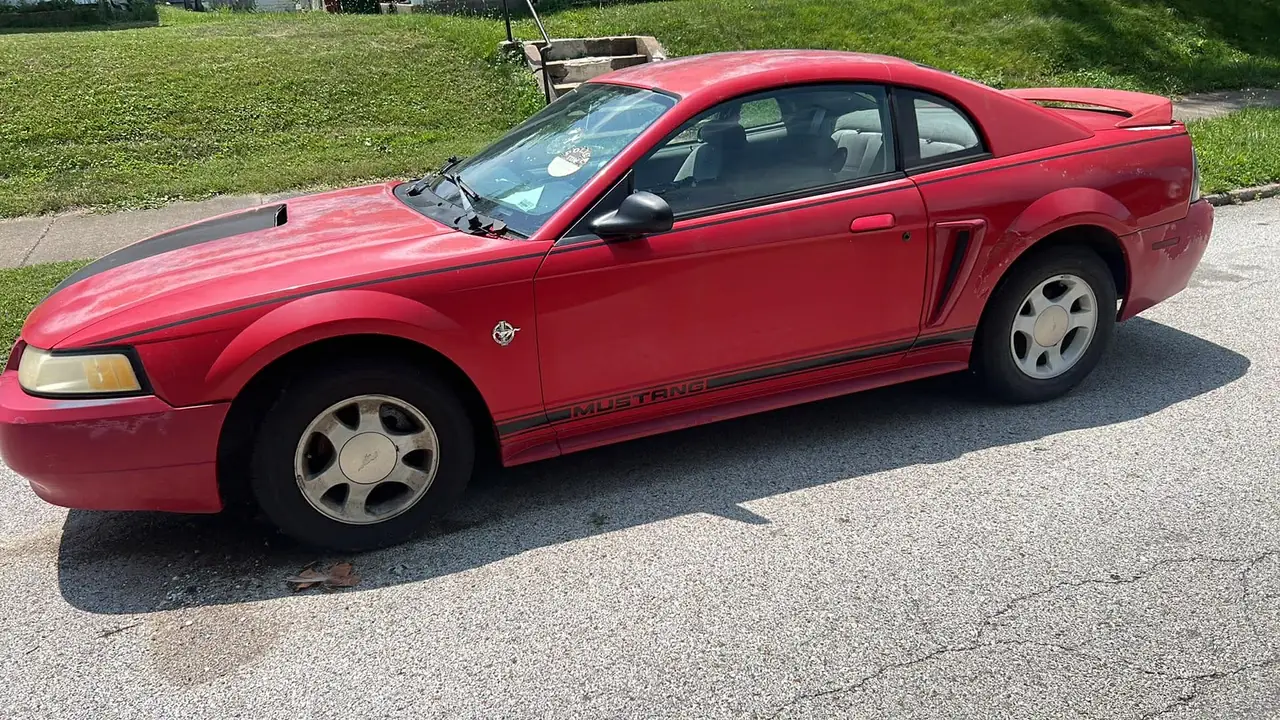
1999 Ford Mustang
Price$1,250
LocationMott Haven, NY
ConditionRuns
Running or not — we pay cash on the spot.
Free towing. Same-day pickup. No hidden fees.
8:00 am – 8:00 pm
7 days a week
1033 E Powell Blvd
Gresham, OR 97030
A vehicle sale from managed property requires two different forms of authority. The person signing must have the right to transfer the vehicle. Separately, the property owner, manager, shop, or lot operator must allow access to the place where it sits. One permission cannot substitute for the other. A manager can open a gate without owning the car, and a titled owner cannot force an outside truck onto controlled property.
This distinction is useful across Mott Haven, whether the car is beside a public curb, in a residential lot, inside a garage, at a body shop, or on commercial property. Start by naming the owner and the property controller. Then identify the ownership document, the vehicle’s mobility limits, the path to a legal loading position, and any release condition. Only after those facts are settled should timing and final terms take over.
An owner selling an unwanted vehicle follows a voluntary transfer process. Someone dealing with a stranger’s vehicle abandoned on private property faces a different problem. Do not sign a bill of sale or ownership statement for a car you do not own, even if it has occupied the lot for months. Property control gives a person rights over access, not authority to invent a vehicle transfer.
NYC311 has a separate DSNY request for a plate-less vehicle abandoned by someone else on private property, subject to eligibility and fee conditions. Its abandoned-vehicle guidance also distinguishes public-property handling based on whether plates are present. An owner’s old car should be sold or otherwise disposed of lawfully rather than de-plated and left for city action.
A vehicle already impounded or in agency custody is another distinct case. Contact the responsible authority and follow its release process. A purchase company cannot collect it merely because the registered owner agrees to sell. The same principle applies to a leased car, an open ownership dispute, or a vehicle subject to another party’s control.
The two permissions do not always arrive together. A titled owner may be ready to sell while management refuses access because notice, an account issue, or required paperwork is missing. In that situation, do not send a truck and hope the owner can wave it through. Ask management for the exact condition, who can approve it, and whether the car may be moved by an authorized person to another lawful position.
The reverse conflict is also possible. A manager may want a vehicle out of a lot, but the person present lacks acceptable ownership evidence or signing authority. Property pressure does not permit that person to sign as the owner. Identify the named owner, replacement-document route, estate or business authority, or lien issue that must be resolved. Management can use its own lawful property process while the seller addresses the transfer.
A repair shop can agree to release a car once its condition is met, yet the proposed buyer may not accept the removed parts, title status, or location. Treat release readiness and purchase eligibility as separate checkpoints. Give the buyer an accurate list of removed components and shop conditions, then obtain final terms. Conversely, buyer approval does not oblige the shop to release before its requirements are satisfied.
When a managed garage allows access but prohibits outside equipment inside, ask for permitted alternatives. The property may allow an authorized internal operator to move the vehicle to an exit level, or it may identify another approved procedure. Do not assume Fred’s, a buyer, or a tower supplies that internal service. Confirm who moves the car, who bears any separate cost, and when the exterior loading position becomes available.
For a curbside car, the city controls the public space through posted rules even though the seller owns the vehicle. The owner cannot authorize prohibited stopping or reserve a curb by removing plates. Confirm the lawful position and timing first. If restrictions change or the space is occupied, keep the car legally staged and establish another plan rather than creating an enforcement problem.
Document how each conflict was resolved. Save the manager’s entry approval, shop release, internal-move arrangement, or identified curb plan beside the buyer’s terms. Include dates and contact names so a day-of employee can verify the decision. This is not a substitute for legal advice or an agency decision; it is a practical way to prevent one participant’s “yes” from being mistaken for every permission the transaction requires.
A public curb gives the owner no private staging area. Read the current signs where the car sits and identify a lawful place for loading. NYC is a designated tow-away zone, and DOT parking guidance notes that illegally parked vehicles and vehicles with missing or expired registration or inspection stickers may be towed. Hydrants, driveways, intersections, alternate-side restrictions, and posted curb rules remain relevant until the car is gone.
Describe whether the curbside car starts, rolls, steers, shifts out of park, and has usable brakes, wheels, and tires. A car that cannot move may need more working room than the block provides. Do not assume a truck can double park or use a restricted area. The provider needs the exact address and must confirm a legal position before the seller removes plates.
In a managed residential lot, ask management what proof it needs before admitting a buyer or towing operator. Record the property contact, access hours, gate procedure, internal route, and approved loading area. Confirm whether another parked vehicle must be moved and whether the account or assigned-space rules affect release. Those details should come from the actual property, not from an assumption about Mott Haven buildings generally.
A garage adds height, width, interior turns, ramps, ceiling obstructions, ventilation rules, and possible limits on towing activity. Management may require insurance documents or advance notice from an outside operator. Ask whether the car can be moved to a reachable level by an authorized person if work inside is prohibited. Measurements and photographs should show the entire route, not only the car.
At a repair or body shop, identify the person who can release the vehicle, the permitted collection hours, its position among other cars, and any amount or paperwork the owner must settle. A buyer cannot override the shop’s physical custody. If parts were removed during diagnosis or repair, list them accurately and clarify which parts will leave with the vehicle.
Private commercial property may have a tenant, landlord, manager, or security company involved. Determine which party controls vehicle access and which can approve the loading area. Give the provider the approved entrance and site contact. Ownership proof still comes from the vehicle owner, while site permission comes from the property controller.
For a usual New York transfer, the seller needs acceptable proof of ownership and proof of sale. A titled owner normally completes the transfer section and can use an MV-912 bill of sale. Compare the seller name and VIN with the vehicle before signing. Leave no buyer, amount, date, or mileage field blank when it should be completed.
For a model-year 1973 or newer car, truck, or motorcycle, DMV generally requires the original title or another acceptable original or certified ownership record. A qualifying model-year 1972 or older vehicle may use an original or certified New York transferable registration with a bill of sale. The agency’s proof-of-ownership guidance should be checked for the specific record rather than assuming any registration is enough.
If the title is lost, an eligible owner can apply for a replacement certificate online, by mail, or at an office. DMV mails the title and does not issue it across the counter. Plan for that process instead of asking a property manager, shop, or tow driver to accept a document that does not establish transfer rights.
When the named owner is deceased, a business, a lessor, or another individual, identify the estate or business authority and resolve the mismatch. If a lien appears and has been paid, obtain the original lien release along with the title. Property approval, a repair invoice, an insurance card, and possession of the keys do not eliminate these ownership issues.
MV-35 is a narrowly defined disposal form. The current instructions require the vehicle to be at least eight model years old, worth $1,250 or less, and transferred by its owner to a registered vehicle dismantler, registered itinerant vehicle collector, or certified scrap processor. It is not for an ordinary tow driver, private buyer, or charity, and the vehicle can never be titled again. Confirm every limit and the recipient’s qualification.
The plate steps should be synchronized with an established loading plan, especially when no private staging area exists. Before completing the sale, remove the plates and registration sticker. Never let the vehicle leave displaying the seller’s plates. Take out toll devices, parking permits, personal documents, tools, and belongings, then photograph the vehicle and the empty plate positions.
If the plates will not be transferred to another vehicle, surrender the plates and registration before canceling New York liability insurance. DMV also instructs the owner to destroy the registration and inspection stickers. Retain the surrender receipt. Removing plates too soon can leave a public-street car exposed; canceling insurance too soon can create a separate registration problem.
“Non-running” does not say whether a vehicle can be recovered from a Mott Haven lot or curb. State whether it has keys, free steering, a transmission that can shift, releasing brakes, and four mounted wheels. Count flat or missing tires. Describe collision damage, broken suspension, loose panels, shattered glass, and visible fluid leaks. Show whether the car is boxed in or positioned against a wall or curb.
Give the buyer and transportation provider the same facts. If one company is purchasing and another is loading, confirm that both understand the car and property. A general willingness to buy does not establish physical access, and a truck operator’s ability to reach the car does not establish the buyer’s acceptance of its documents.
Ask for the purchase amount, transportation treatment, payer, payment method, and adjustment conditions in writing. Find out whether a gate delay, inaccessible position, missing component, document issue, or different vehicle condition could alter the terms. Require an explanation before signing if a change is proposed, and retain the right to decline.
List outside obligations separately. A repair balance, storage amount, property account, or internal move may remain the owner’s responsibility. Do not allow an undefined deduction or assume the purchaser will resolve it. Confirm who must be paid to release the vehicle and obtain evidence that the condition has been satisfied before a truck enters.
At the handoff, record the legal buyer name, any separate towing company, property or shop contact, final terms, vehicle destination, and signed document list. Keep a copy of the completed title section and bill of sale, the transaction receipt, plate-surrender receipt where applicable, photographs, and any property release. Those records show both why the vehicle could be sold and why it could be removed from that location.
For countywide document and plate preparation, see the Bronx County selling guide. Mott Haven sellers can provide the ownership and access facts to Fred’s Auto Removal at 773-869-5144. The specific property, vehicle, documents, and proposed terms still determine what can be confirmed. Treating ownership permission and site permission as separate requirements turns a rushed removal request into a transaction that every participant can understand. Keep the property and buyer contacts available until the vehicle has left, then verify that the receipt identifies the VIN, receiving party, and final terms.
Sample pickups like the vehicles Fred’s regularly buys: non-running cars, damaged SUVs, old trucks and unwanted commuters with free towing included.
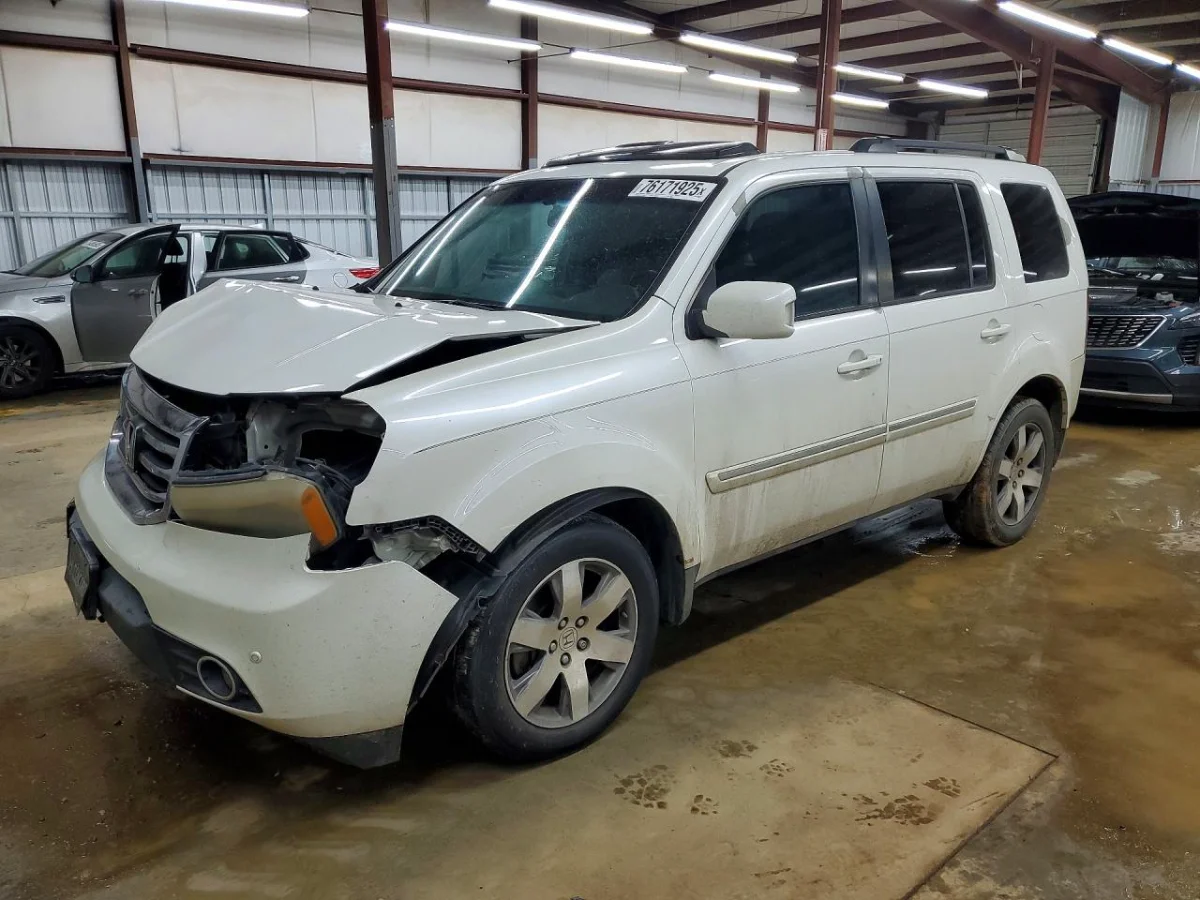
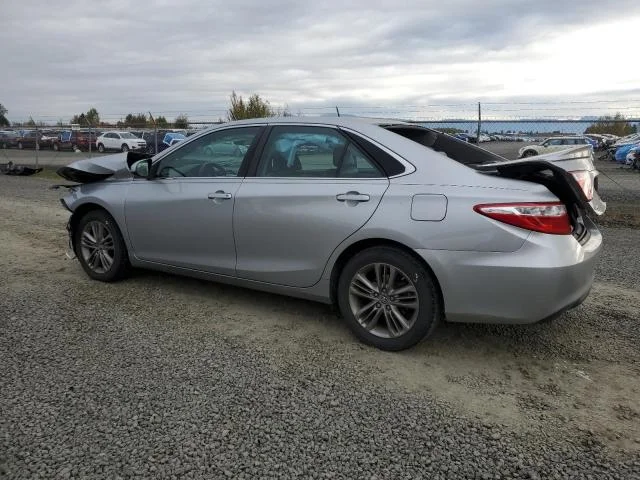
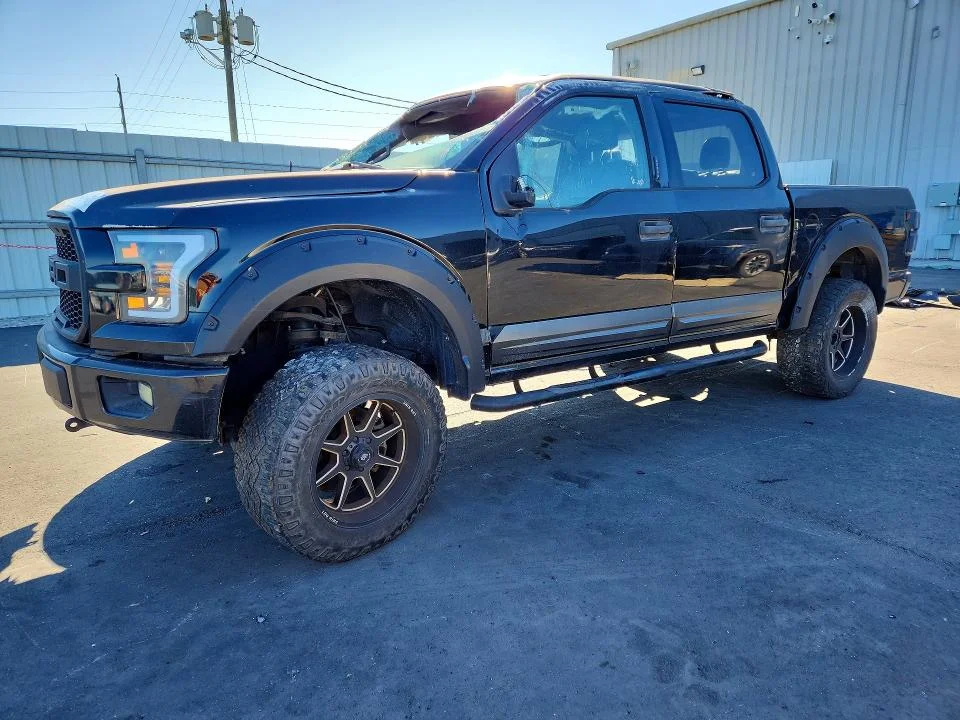
Share the vehicle year, make, model, Mott Haven ZIP code and condition for a fast no-obligation offer.
If the price works for you, pick a pickup window that fits your schedule and access situation.
We come directly to your Mott Haven address and handle the tow at no charge.
Payment is made at pickup before the vehicle leaves your property.
No. A manager's permission can establish site access, but it does not prove ownership of the vehicle. The named owner or properly authorized signer still needs DMV-accepted ownership evidence and must complete the transfer.
It depends on both ownership and property authorization. Confirm the property contact, account or release condition, gate, garage dimensions, access hours, required paperwork, and a legal loading area before scheduling.
Do not sign as the vehicle owner. NYC311 describes a separate DSNY request for a plate-less vehicle abandoned by someone else on private property, with eligibility and fee conditions that differ from a voluntary sale.
Only after the provider confirms a legal truck position and assesses the keys, steering, transmission, brakes, wheels, tires, damage, and current curb restrictions. Arrange that plan before removing plates.
Ask the shop for its release employee, permitted hours, vehicle position, paperwork, and any balance the owner must resolve. Give those facts and the car's mobility details to the buyer; another company cannot override the shop.
Only if every requirement is met, including owner status, a vehicle at least eight model years old, value of $1,250 or less, an eligible registered or certified recipient, and permanent dismantling or scrap. Otherwise use an accepted ownership route.
Remove the plates and registration sticker before completing the sale. If the plates will not be transferred, surrender the plates and registration before canceling New York liability insurance and keep the surrender receipt.
From Mott Haven to nearby Port Morris, Hunts Point, Soundview, Castle Hill and Throgs Neck communities, Fred’s Auto Removal offers free towing, clear pickup planning and cash payment.
Get My Free Cash Offer