
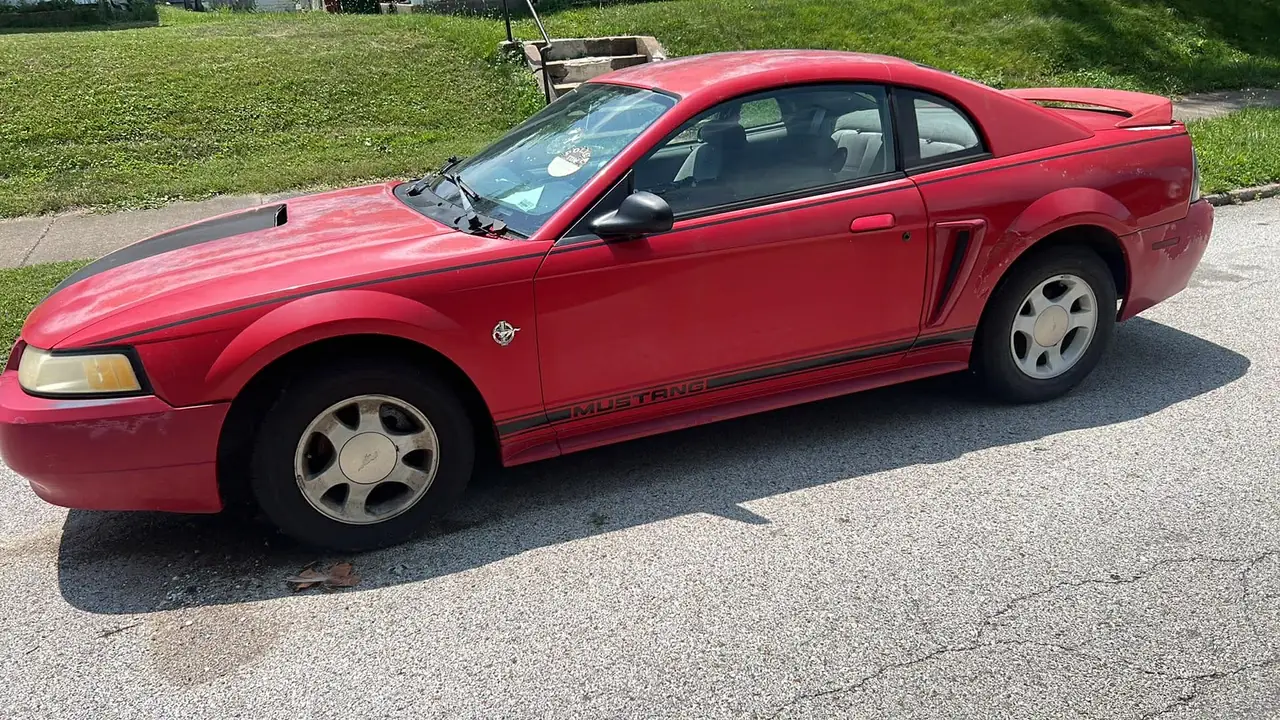
1999 Ford Mustang
Price$1,250
LocationLong Island City, NY
ConditionRuns
Running or not – we pay cash on the spot.
Free towing. Same-day pickup. No hidden fees.
8:00 am – 8:00 pm
7 days a week
1033 E Powell Blvd
Gresham, OR 97030
Queens and Queens County describe the same New York City geography. The county name matters here because vehicle ownership, lawful transfer, and the roles of buyers and regulated recipients can determine what a seller is actually allowed to do. It does not create a second service territory beside the borough of Queens. It also does not turn Long Island City into Nassau or Suffolk County; Long Island City is a neighborhood in western Queens.
Before comparing offers, decide what kind of transaction you need. A repairable vehicle may still suit a private sale. A donation has its own documentation and tax questions. A junk or salvage transfer may fit a car whose condition, age, or missing parts make another route impractical. A vehicle abandoned by somebody else is a separate City matter. Keeping those paths distinct prevents a quick removal request from becoming an ownership or property dispute.
A damaged engine, flat tires, a missing key, or years of storage may explain why a car needs to go, but none of those facts establishes the right to sell it. The signer must be the owner or someone with valid authority to complete the transfer. Owning the driveway, garage, or lot where a vehicle sits is not the same as owning the vehicle. If the registered owner has died, the title is in another person’s name, or a business owns the car, resolve signing authority before arranging a handoff.
New York’s ordinary transfer process generally calls for both proof of ownership and proof of sale. The New York DMV ownership-transfer instructions explain the seller’s title assignment and the Vehicle Bill of Sale, form MV-912. A receipt from a buyer may be useful, but it does not replace the ownership document that applies to the vehicle.
For most vehicles from model year 1973 or newer, the normal starting point is an original title or another original or certified ownership document the DMV accepts. For a vehicle from 1972 or earlier, an original or certified New York transferable registration may serve as proof. A current or expired registration is not automatically interchangeable with a transferable registration, and a bill of sale alone is not generally proof of ownership for a titled vehicle.
Read the document before discussing a collection date. Confirm that the printed owner name matches the person who will sign, the vehicle identification number matches the car, and the transfer section has not already been assigned. Cross-outs, erasures, or an incorrect entry can make a document unusable. A lost or damaged New York title may require a replacement, and the DMV says replacement titles are mailed rather than issued across the counter. Build that mailing time into your own decision without accepting a pickup promise that depends on missing paperwork.
A lien creates another branch. When a lien has been satisfied, the seller can generally provide the original title together with the original lien release. A new lien-free title is optional under DMV guidance, but the release still needs to be authentic and tied to the correct vehicle. An unresolved loan, lease, estate, or disputed ownership issue should be handled with the lender, lessor, DMV, or appropriate representative before a junk-car transaction proceeds.
New York form MV-35 is not a general no-title shortcut. The form is limited to the owner of a vehicle worth no more than $1,250 that is at least eight model years old. The transfer must be to an eligible registered vehicle dismantler, itinerant vehicle collector, or certified scrap processor, and the vehicle may never be titled again. A private buyer, charity, property owner, or tow driver who merely transports the car does not become an eligible recipient just because the title is missing.
If that route appears relevant, identify the legal receiving party before signing. Ask for the business name and regulated role, then verify that role through the DMV. Do not leave the recipient line blank or assume the tow company’s name is the same as the buyer’s. The person who speaks with you, the party paying for the vehicle, the company moving it, and the regulated facility receiving it may be different entities.
A purchase offer and a towing quote answer different questions. In a purchase, identify who buys the car and receives ownership. A broker or network may arrange the transaction while another company becomes the buyer. A tow provider may move the vehicle without buying it at all. Before accepting terms, ask who will appear on the bill of sale, who is responsible for any payment, who will transport the vehicle, and where ownership passes.
Those identities matter when checking credentials and preserving records. New York DMV regulates several junk and salvage business categories, while New York City has separate licensing requirements for covered secondhand-auto and towing activities. Do not treat one credential as proof of every role. Record the exact business names involved and check the relevant official register rather than relying on a logo, a familiar neighborhood name, or an informal assurance.
An advertised maximum says little about a particular car. A useful comparison begins with the same information given to every prospective buyer: year, make, model, trim if known, mileage, VIN, title status, lien status, keys, and exact location. Describe whether the engine starts, the transmission engages, the car rolls and steers, all wheels are present, tires hold air, major parts are missing, or collision, fire, water, or vandalism damage is visible.
Photograph the complete exterior, interior, VIN label, odometer when readable, tires, major damage, and the car’s position. If a wall, gate, another vehicle, a tight turn, a ramp, or a low ceiling affects access, include that too. Current, clear details let a buyer state assumptions before the handoff. They also give the seller a record if the amount or collection plan changes after a condition that was already disclosed is noticed.
Queens County cannot be reduced to one pickup setting. A car may be legally parked at a curb, inside a managed garage, in a private driveway, at a repair shop, on a commercial lot, or held in a tow facility. Each setting changes the questions. Give the exact address, not just a neighborhood. Confirm who controls the space, whether access permission is needed, and whether the vehicle can be reached without moving somebody else’s property.
At a curb, read every posted sign and consider whether the car can move for street cleaning or another restriction. A non-running vehicle receives no special exemption. In a garage, measure the lowest clearance and describe ramps, corners, gates, elevators, wheel stops, and exit requirements. A driveway may be blocked or too narrow at a particular address; never assume access from the property type alone. At a shop or storage lot, settle release authority, keys, balances, and operating access directly with the property controller.
Qualifying trucks must follow New York City’s truck-route rules and cannot use most parkways. Route choice belongs to the operator once the exact vehicle, truck, address, and current restrictions are known. The seller’s useful contribution is accurate site information and a lawful place for the transfer, not turn-by-turn directions based on a passenger-car trip.
A person disposing of their own vehicle should use an owner-authorized sale, donation, repair, or other lawful transfer. The NYC Department of Sanitation derelict-vehicle guidance says abandoning a vehicle on public property is illegal. DSNY’s criteria apply to a narrow class of unplated, significantly damaged, low-value vehicles; other unclaimed vehicles may follow an NYPD towing process.
If somebody else left a vehicle on private property, the property owner should use the applicable 311 and towing process rather than sign as the vehicle owner. Tickets, a boot, an impound, or a tow-pound location can also require resolution with the responsible agency before a private buyer can receive the car. A sale should not be presented as a way around release rules, ownership proof, judgments, or storage obligations.
At the handoff, compare the VIN and vehicle condition with the written agreement. Confirm the buyer’s legal name, review every completed field, and never sign a blank title or bill of sale. Complete applicable odometer and damage disclosures. Keep a copy or clear image of the signed transfer record, bill of sale, accepted terms, receipt, buyer identity, vehicle photos, and the identity of any separate tow company.
New York DMV directs sellers to remove the license plates and windshield registration sticker before completing the sale. Plates must then be transferred or surrendered as appropriate. If they are not being transferred, the DMV plate-surrender instructions warn sellers to surrender them before canceling New York liability insurance. Keep the surrender receipt and ask your insurer about the sequence for your policy rather than relying on a buyer’s general statement.
The county-level decision is only the beginning. A seller focused on curb or managed-garage coordination can use the Astoria access guide. The Bayside location and mobility guide separates eastern Queens from Bay Shore and other Long Island results. Water or salvage questions are treated conditionally in the Far Rockaway damaged-vehicle guide.
Exact-site planning is central in Flushing, property control is central in Forest Hills, and buyer identity is central in Jamaica. Long Island City has its own western Queens disambiguation. For a practical borough-wide sequence from vehicle details through records, use the Queens quote-to-handoff guide. The named guides help with common decisions, but they neither confirm nor rule out service at any other address.
Some Queens County situations should stop before an offer comparison begins. A caller may control the parking space but not the title, hold a signed bill of sale without the prior ownership document, or have a title in the correct name while a shop or tow pound controls release. Treat each conflict as a separate issue. Identify the party responsible for ownership, property access, debt or lien resolution, and physical release instead of asking one business to overlook all four.
Write a short status beside each item: confirmed, unresolved, or not applicable. Confirmed means the supporting document or authorization is available for review. Unresolved means the responsible agency, lender, insurer, estate representative, property manager, or facility still needs to act. Not applicable means the issue truly does not affect this vehicle. This exercise prevents an optimistic phone summary from becoming a disputed handoff.
Do not create a deadline that the facts cannot support. A curb restriction may require immediate attention, but urgency does not authorize an improper signature. A shop may want storage resolved, but payment of that balance does not erase a title lien. If the lawful route takes longer, make a temporary legal parking or property arrangement with the responsible party while documents are completed.
Before contacting anyone, place the ownership document, lien release if applicable, VIN, photos, exact address, and access notes together. Write down who controls the space and any deadline imposed by a shop, lot, posted curb rule, or building manager. That small file makes it easier to compare offers on equal facts and to notice when a buyer has not answered a document or access question.
For a conversation with Fred’s Auto Removal, call 773-869-5144 with those details ready. Coverage, vehicle acceptance, towing cost, timing, payment, and difficult-access capability should all be confirmed for the individual transaction. The safest outcome is a clear agreement among the lawful seller, identified buyer, any separate tow provider, and the property controller before the vehicle moves.
Sample pickups like the vehicles Fred’s regularly buys: non-running cars, damaged SUVs, old trucks and unwanted commuters with free towing included.
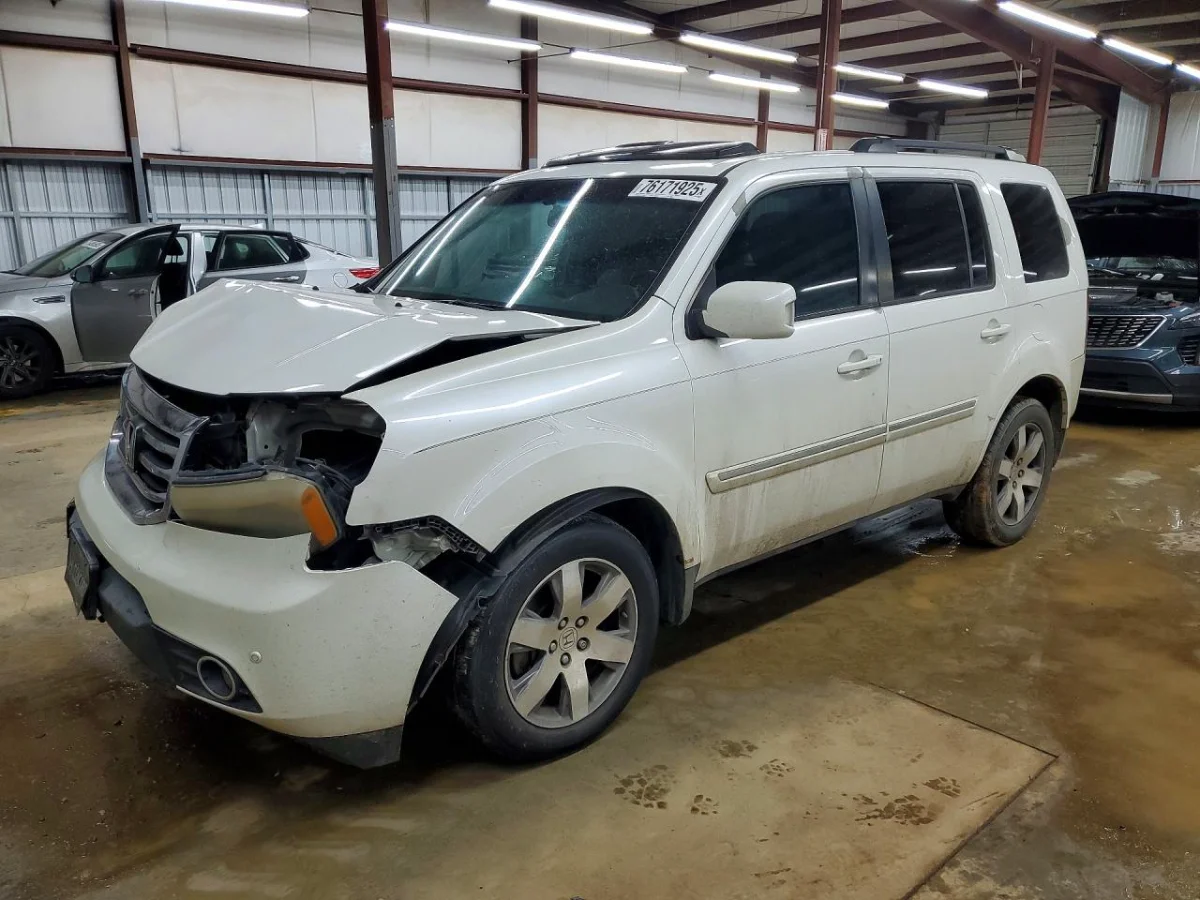
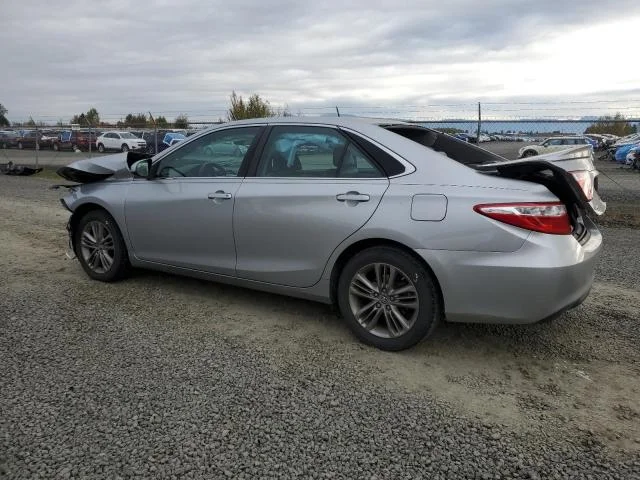
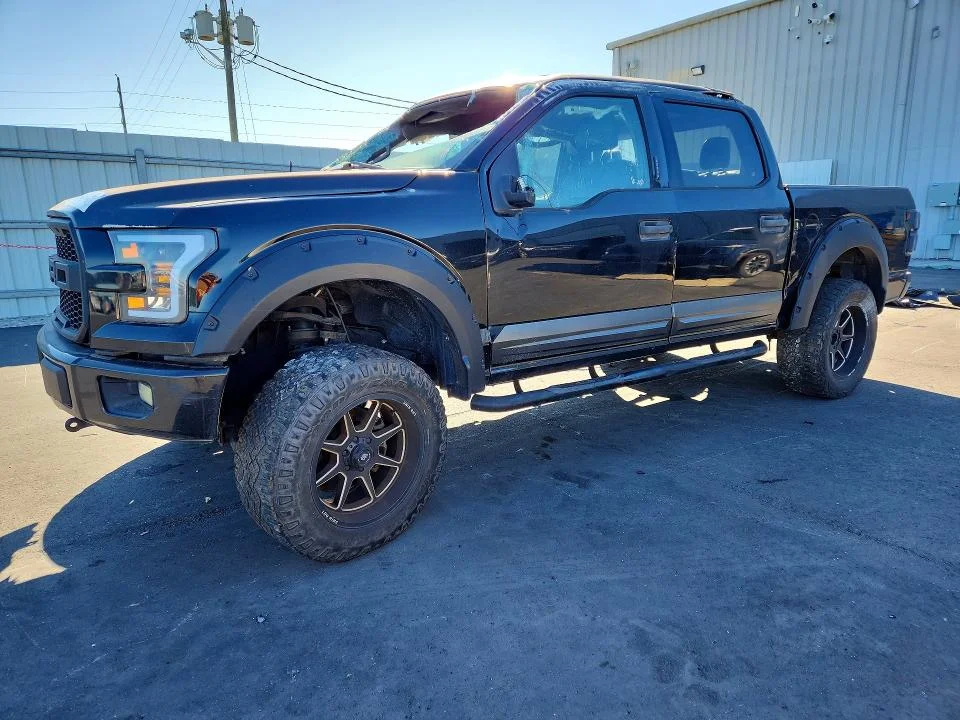
Share your vehicle year, make, model, Queens ZIP code and condition for a fast no-obligation offer.
If the price works for you, pick a pickup window that fits your schedule and access situation.
We come directly to the confirmed Queens pickup address and handle the tow at no charge.
Payment is made at pickup before the vehicle leaves your property.
Yes. NYC311 maps the borough of Queens to Queens County, so they are one geography rather than two service territories. The county guide focuses on ownership and disposal decisions.
Compare the vehicle's condition, your authority to transfer it, the documents available, and the obligations attached to each option. DSNY is not a voluntary disposal service, and abandoning an owned vehicle is illegal.
Most 1973-or-newer vehicles use an original title or another DMV-accepted original or certified document. A 1972-or-older vehicle may use a qualifying transferable registration; a bill of sale alone is not generally ownership proof.
Only the owner may use MV-35, and only when the vehicle is at least eight model years old, worth $1,250 or less, and transferred to an eligible regulated recipient. A vehicle transferred this way may never be titled again.
Ask for the recipient's exact legal name and regulated role, then verify it through New York DMV's regulated-business resources. A tow driver who only transports the car is not automatically the qualifying recipient.
Property control, curb signs, loading space, garage clearance, vehicle mobility, and a truck's lawful approach vary by address. A neighborhood name cannot establish that a particular collection is physically or legally workable.
A satisfied lien generally needs the original lien release with the title. When an owner has died, the person arranging the sale should confirm estate authority with DMV or the appropriate representative before signing.
Keep the signed bill of sale or transfer record, accepted terms, buyer and tow-company identities, receipt, VIN and pickup photos, and any plate-surrender receipt. Do not sign blank ownership documents.
From Long Island City, Astoria, Sunnyside, Woodside, Jackson Heights, Elmhurst, Corona, and Flushing and nearby Queens County communities, Fred’s Auto Removal offers free towing, clear pickup planning and cash payment.
Get My Free Cash Offer