
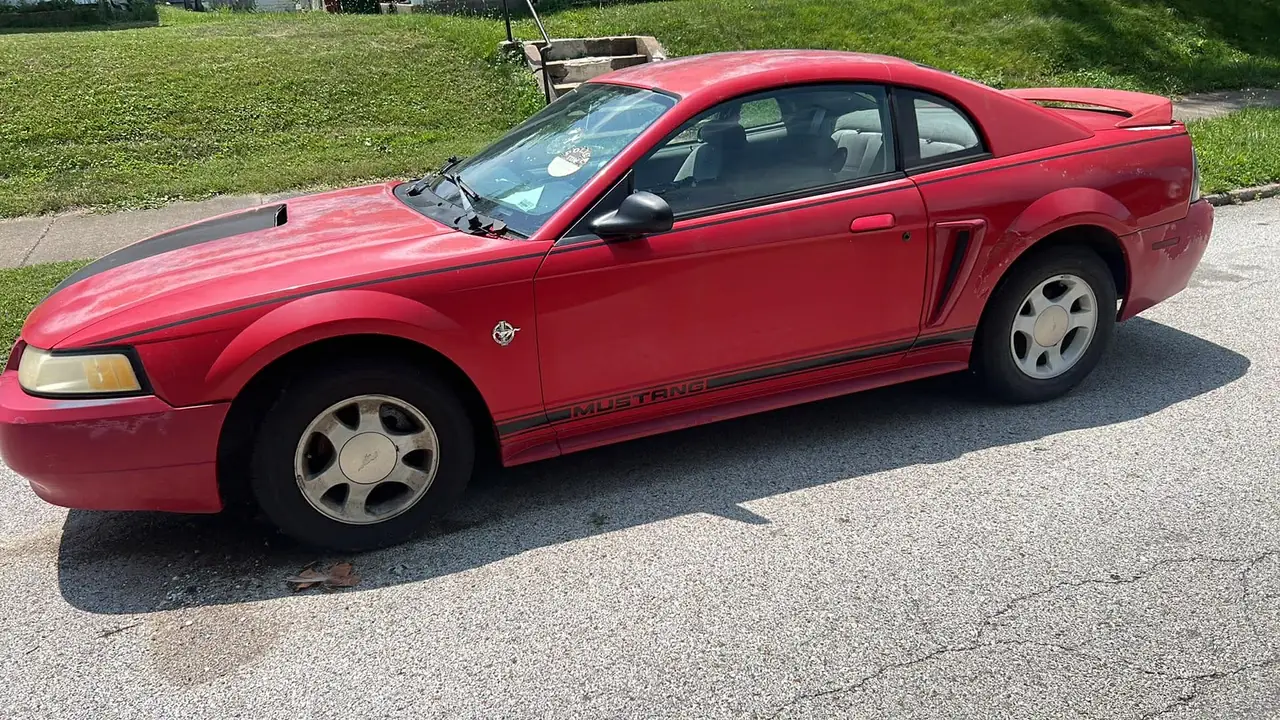
1999 Ford Mustang
Price$1,250
LocationJamaica, NY
ConditionRuns
Running or not — we pay cash on the spot.
Free towing. Same-day pickup. No hidden fees.
8:00 am – 8:00 pm
7 days a week
1033 E Powell Blvd
Gresham, OR 97030
A junk-car result for Jamaica may represent a direct buyer, salvage business, broker, online network, tow company, or business with a physical receiving facility. Those roles are not interchangeable. Before giving anyone a title or arranging access to the car, identify the legal buyer, the company moving the vehicle, and the party that will appear on the sale record.
This is Jamaica in Queens, New York City, not Jamaica the country or Jamaica Plain in Massachusetts. Use Jamaica, Queens, New York and the full pickup address in every written exchange. Jamaica Center, South Jamaica, Hollis, St. Albans, Rochdale, and North Springfield Gardens appear in the broader Queens Community District 12 context, but the exact vehicle address still controls the request.
A direct buyer makes an offer and becomes the owner after a valid transfer. A broker or network may collect information and place the request with another buyer. A yard may receive and process vehicles but may or may not be the business named in the initial offer. A tow provider moves the car and may have no ownership role. A repair shop holding the vehicle controls access without necessarily buying it.
Ask four questions at the beginning: Who signs as buyer? Who pays or charges the seller? Who tows the vehicle? Who receives it? Write down the legal business name for every answer. If one company says another will be disclosed later, do not release the title or accept a collection until the final roles and terms are available.
A Jamaica business address displayed by another company does not belong to Fred’s Auto Removal. The same is true of that company’s yard, facility, reviews, and licenses. Verify the legal business you are actually contracting with, and use only Fred’s published Head Office details when checking its identity.
New York City says a business buying or selling secondhand automobiles needs a Secondhand Dealer Auto license. The NYC licensing information for secondhand-auto dealers describes that role. Covered towing activities have their own company and driver requirements, so one license statement does not answer every question in a transaction.
New York DMV separately regulates junk and salvage categories. Its junk and salvage business guidance identifies roles such as vehicle dismantlers, itinerant vehicle collectors, and scrap processors. That distinction becomes especially important when a seller is exploring the narrow no-title process, because only certain recipients qualify.
Use official license and regulated-business resources with the exact legal name. A trade name, phone number, truck logo, or facility photograph may help identify a lead but should not be treated as proof. Record the result of the check and ask how any broker, buyer, tow company, and receiving business are connected.
Do not compare a large advertised maximum with another business’s specific offer. Give every prospective buyer the same complete vehicle brief: VIN; year, make, model, and trim; mileage; title, registration, and lien details; available keys; known damage; missing components; and whether the car starts, shifts, rolls, steers, and brakes. State when a function is unknown rather than guessing.
Add current photographs showing the exterior from each side, the cabin, identifying VIN, readable odometer, wheel and tire condition, every major damaged area, missing components, and the vehicle’s position. A tight shop lot, blocked driveway, or crowded curb can be as important as body condition. Photograph the exit path and name the person authorized to provide access.
Ask for an amount tied to those exact facts. The response should state any transportation or access charge, payment method, paying party, expiration or review condition, and circumstance that may change the amount. If the offer assumes four rolling wheels or a complete drivetrain, make sure your vehicle actually matches that assumption.
A purchase can appear attractive until a separate transport charge or site issue changes the net result. Ask whether the buyer arranged towing, whether the seller contracts with the tow provider, and who bears any charge. Determine whether storage, difficult access, missing wheels, or an after-hours shop release is included, excluded, or still unknown.
Never sign blank ownership forms to make a remote arrangement faster. Do not hand the original title to a driver whose employer and role are unknown. If the contracting party changes, ask for updated written information before the car or documents move.
The New York DMV vehicle-transfer guidance explains the ordinary combination of ownership proof and proof of sale. For most model-year 1973 or newer vehicles, the normal proof is an original title or another accepted original or certified record. A qualifying 1972-or-older vehicle may use an original or certified transferable registration.
Compare the document with the physical vehicle. Check the owner name, VIN, lien entry, and buyer assignment. A bill of sale, keys, insurance card, parking receipt, or repair invoice does not by itself establish the right to sell a titled car. Property possession is also not vehicle ownership.
A lost, damaged, altered, or previously assigned title may need replacement or another DMV resolution. Do not use a cross-out or erasure. If a lien has been satisfied, obtain the original lien release. When the titleholder has died, the vehicle belongs to a company, or the signer uses another form of authority, confirm the correct representative documents before scheduling.
New York form MV-35 is not a broad permission to sell any old car without a title. Only the owner may use it, and the vehicle must be at least eight model years old and worth $1,250 or less. The recipient must be an eligible registered dismantler, itinerant vehicle collector, or certified scrap processor, and the vehicle can never be titled again.
A tow driver who only transports the vehicle is not automatically the recipient. Nor is a property owner, private purchaser, or unverified yard. Ask the qualifying business to state its legal name and role, then check that information through DMV. If the facts do not meet every condition, use the normal ownership-document route.
A shop-held vehicle involves two separate files. The ownership file proves who may sell the car. The property-release file addresses the shop’s keys, access, repair or storage balance, operating hours, and permission to remove the vehicle. Clearing one does not clear the other.
Speak with the shop before setting a collection time. Ask where the car is positioned, whether other vehicles block it, who will make it accessible, whether it can roll or steer, and when an outside tow or transport company may enter. Obtain the name of the release contact and confirm what the shop requires from the owner.
A shop’s unpaid balance is not the same as a lender lien printed on the title. Resolve each through the responsible party. Do not tell a buyer that the vehicle is ready merely because the seller has the title when the shop has not agreed to release it.
At a commercial lot, confirm the lot operator’s permission and the owner’s ability to sign. Give gate hours, contact information, vehicle position, blocked access, surface conditions, and a lawful loading area. If the lot owner is not the vehicle owner, do not substitute one signature for the other.
At a curb, photograph posted signs and nearby space, and state whether the car can move for restrictions. At a driveway, identify shared use, width, slope, gate, orientation, and anything blocking the exit. Do not infer the pickup setting from the Jamaica neighborhood name; describe the actual property instead.
Let the tow operator plan the lawful truck route after reviewing the address and equipment. The seller should not direct a qualifying truck onto a route used by passenger cars without checking restrictions. Accurate entry instructions and a site contact are more useful than a guessed shortcut.
Read the written offer from the bottom up. Find the legal business name, contact information, payment terms, vehicle description, pickup address, access assumptions, adjustment language, and any reference to another buyer or carrier. If the message is only a texted amount with no responsible entity, ask for the missing terms before sharing an original document.
Next compare the names with the people and businesses expected at the site. The broker’s brand may differ from the buyer’s legal name, and the truck may belong to a separate tow company. That can be legitimate, but every role should be disclosed. Ask the buyer to explain how the companies are connected and which one accepts ownership at the moment the seller signs.
For a shop or lot pickup, include the property controller in the audit. Confirm that the person giving access recognizes the buyer or carrier name and the intended time. A release instruction addressed to one company should not silently transfer to an unexpected substitute. Update the property contact when the carrier changes.
Review the money path separately. Identify who pays, how payment is delivered, when it becomes available, and which receipt confirms it. If the seller instead owes a towing or storage amount, state who receives that payment and whether it is deducted from the offer or handled outside the sale. Never infer cash merely because the service category commonly uses that word.
Finally, review the title path. The completed buyer field should match the legal recipient, and the bill of sale should describe the same vehicle and transaction. Do not hand an original title to a person who cannot explain why their employer differs from the named buyer. Pause if the paperwork directs ownership to a new party.
This audit is not an accusation against any type of business. It is a practical way to make a Jamaica transaction understandable when a buyer, online arranger, yard, shop, and tow provider may all be involved. A clean chain shows who had the vehicle, documents, and payment at each stage.
At the handoff, confirm the business names against the written agreement. Match the VIN, vehicle condition, and amount. Complete the title assignment, bill of sale, damage disclosure, and applicable odometer statement with no blank buyer fields. Keep a readable copy before releasing the original.
Remove the New York license plates and windshield registration sticker before completing the sale. Transfer or surrender the plates through DMV. If they will not be transferred, surrender them before canceling New York liability insurance and retain the surrender receipt.
Save the written offer, final receipt, buyer identity, tow-company information, title and bill-of-sale copies, shop or property release, condition and access photos, handoff date, and plate record. Those records answer who took ownership and who moved the car if questions arise later.
Before agreeing, repeat the contracting party, buyer of record, transporter, receiving party, amount, charges, payment method, vehicle facts, ownership record, and access authority. If one answer remains vague, pause. A nearby facility or fast response is not a substitute for knowing who takes title and what the seller receives.
The Queens County ownership guide covers disposal and document branches. The Far Rockaway damaged-vehicle guide addresses insurer and salvage questions when those conditions are actually present. Jamaica’s distinct task remains buyer and property-control verification.
Call Fred’s Auto Removal at 773-869-5144 with the exact Jamaica, Queens address, VIN, ownership status, shop or property release, condition, mobility, and photographs. Confirm coverage, acceptance, charges, timing, payment, buyer identity, and carrier identity for the individual transaction. A complete answer should tell you who is responsible at every step.
Sample pickups like the vehicles Fred’s regularly buys: non-running cars, damaged SUVs, old trucks and unwanted commuters with free towing included.
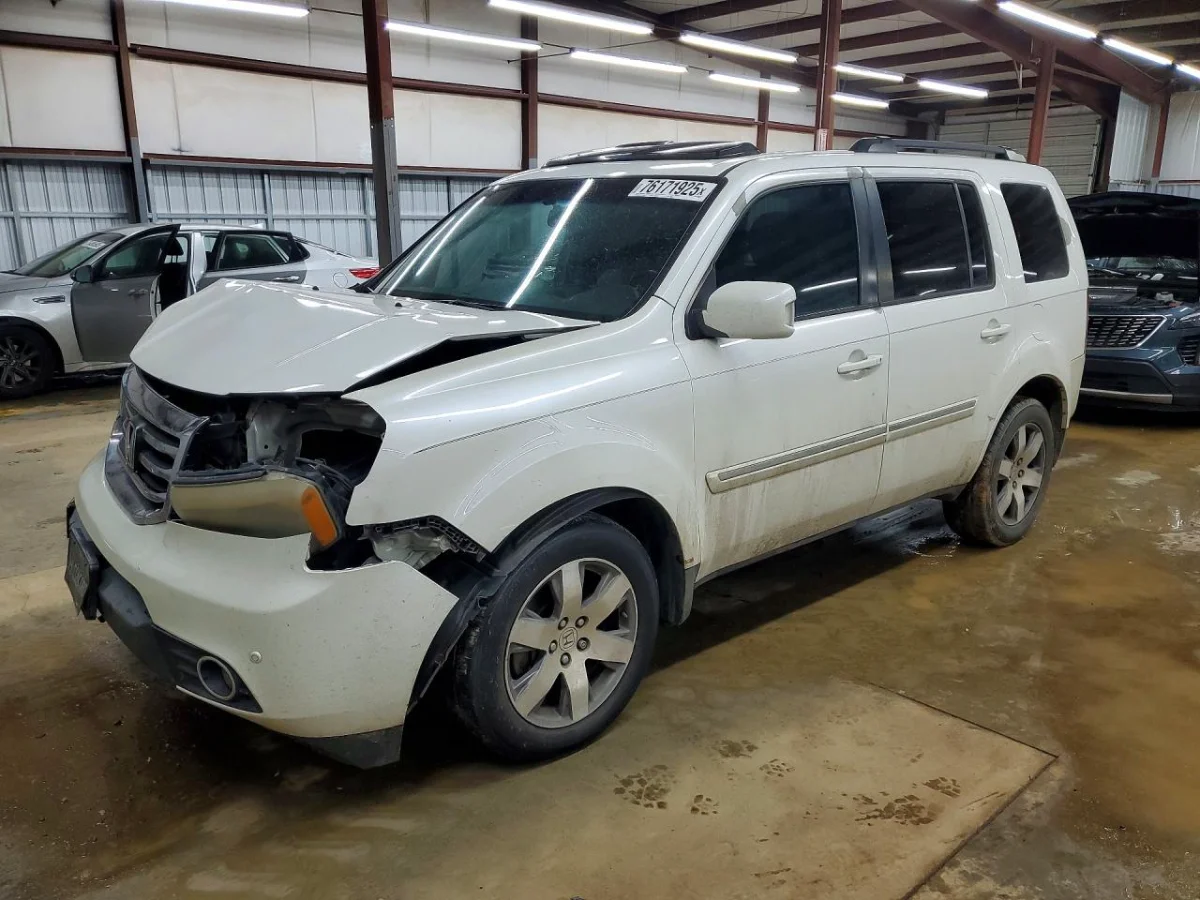
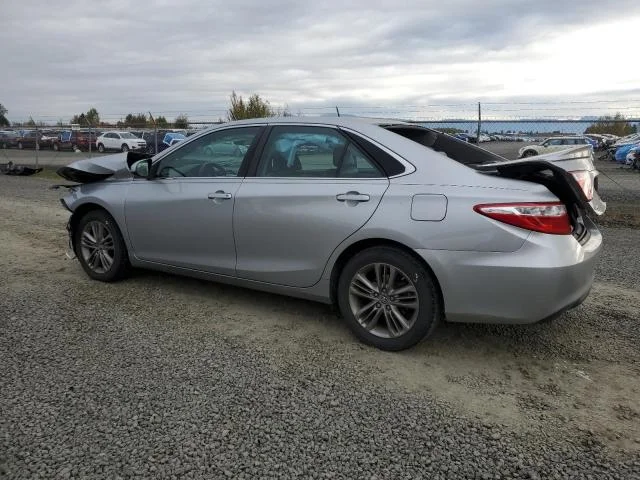
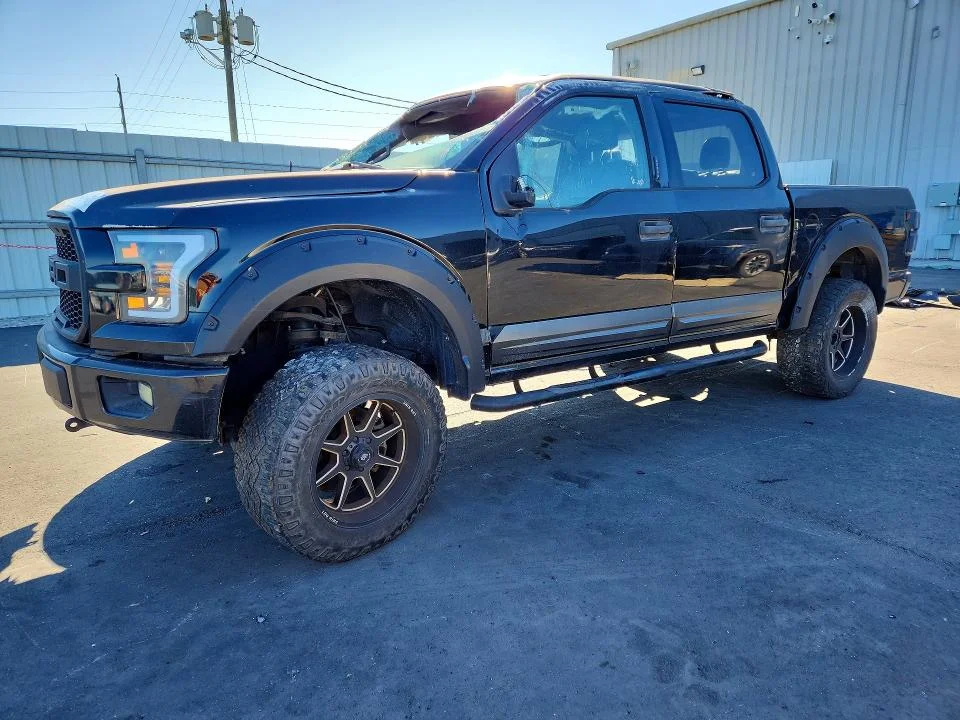
Share the vehicle year, make, model, Jamaica ZIP code and condition for a fast no-obligation offer.
If the price works for you, pick a pickup window that fits your schedule and access situation.
We come directly to your Jamaica address and handle the tow at no charge.
Payment is made at pickup before the vehicle leaves your property.
Ask who signs the bill of sale, who pays or charges you, who receives ownership, who transports the car, and where it goes. Record each legal business name instead of relying on one brand label.
Only after both ownership and shop release are confirmed. Resolve keys, access hours, vehicle position, storage or repair balances, and the shop contact before scheduling any outside company.
No. A shop's release and storage terms concern possession of the vehicle, while a lien shown in DMV title records concerns ownership transfer. Confirm and resolve both separately.
Compare the vehicle-specific amount, transportation and access charges, payment method, buyer identity, receiving party, and adjustment conditions. Use the same condition and document facts for both.
Do not assume it does. An address, yard, license, or review belongs only to the business that can verify it. Check Fred's against its published Head Office details and do not attribute another company's Jamaica facility to Fred's.
Use NYC DCWP and New York DMV resources with each legal business name. Buyer, junk or salvage recipient, tow company, and driver are different roles and may require separate checks.
Not merely because the vehicle occupies the lot. The signer needs valid ownership or documented authority, and the lot controller separately needs to permit access and release.
Use Jamaica, Queens, New York with the full ZIP code in the quote, pickup address, and business messages. Correct any response that refers to the Caribbean country or Jamaica Plain.
From Jamaica to nearby Long Island City, Astoria, Sunnyside, Woodside and Jackson Heights communities, Fred’s Auto Removal offers free towing, clear pickup planning and cash payment.
Get My Free Cash Offer