
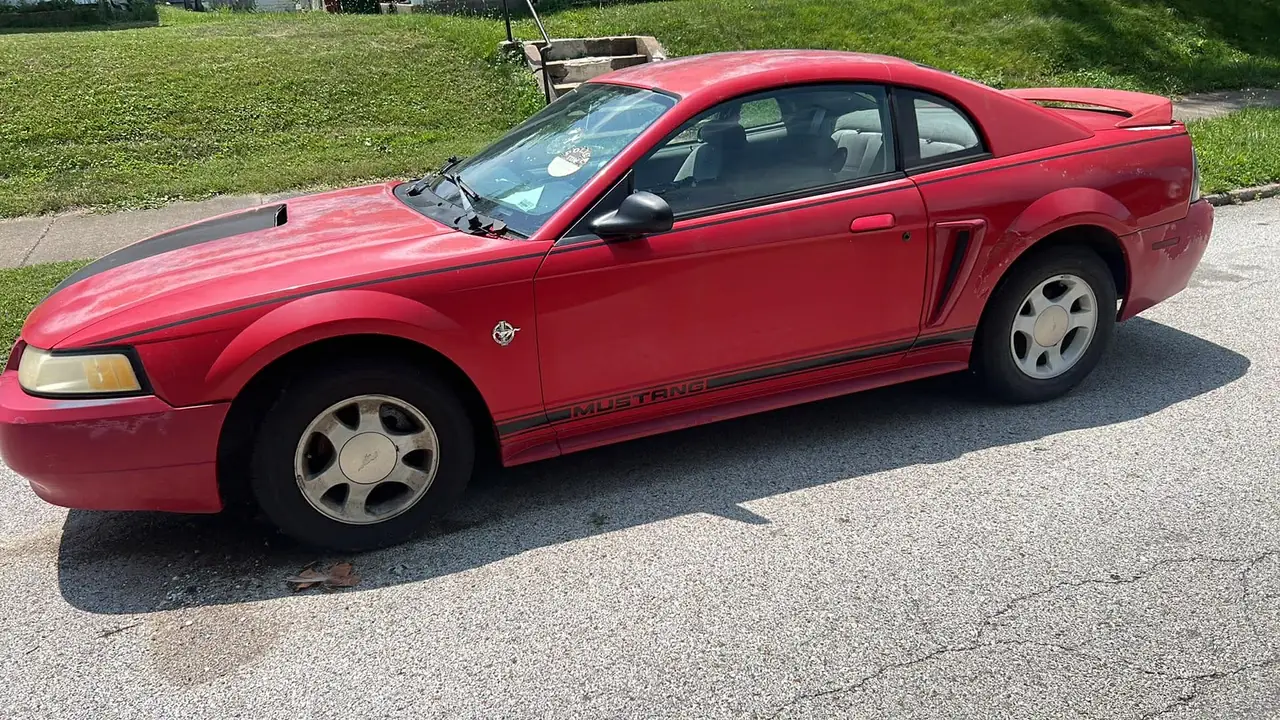
1999 Ford Mustang
Price$1,250
LocationManhattan, NY
ConditionRuns
Running or not — we pay cash on the spot.
Free towing. Same-day pickup. No hidden fees.
8:00 am – 8:00 pm
7 days a week
1033 E Powell Blvd
Gresham, OR 97030
An offer for a Manhattan vehicle should be based on more than its make and model. The buyer needs three groups of facts: what the car is and what happened to it, who has authority to transfer it, and where it can be reached. Missing information in any group can produce an estimate that does not survive the document review or the handoff.
This guide addresses Manhattan, the borough that corresponds to New York County under the NYC311 county mapping. It does not treat Manhattan as all of New York City. Fred’s Auto Removal must still confirm service for the exact address, available ownership proof, vehicle condition, access plan, transportation terms, payment method, and timing.
A junk-car buyer is one option, not the automatic answer to every repair problem. Consider whether a repair would return the vehicle to reliable use, whether a trade-in is available, whether an insurer still controls a collision claim, or whether the car could support a conventional private sale. Donation may fit some owners, provided they evaluate that organization’s terms and their own records rather than assuming a tax result.
A direct offer for the car as it sits can appeal when the owner no longer wants to spend time on repairs, advertising, meetings, or storage. That convenience has to be measured against the actual terms. Find out who is buying the vehicle, how the amount was calculated, what removal includes, and what the seller must complete. An estimate without those answers is only a starting point.
Do not let curb exposure or garage charges force a decision before ownership is clear. A lien, missing title, co-owner, estate, company ownership, or unresolved insurance matter can change who may sign. Start those conversations early and keep the vehicle in a lawful location while the transfer is evaluated.
Prepare the year, make, model, trim, mileage, color, registration state, and vehicle identification number if available. Then explain current operation in separate statements. Does the engine start? Does the transmission engage? Can the car move under its own power? Can it roll when moved? Does the steering unlock? Are the brakes or wheels seized? Is a working key present?
List damage by area and cause when known. Collision damage, deployed airbags, broken glass, water exposure, fire damage, stripped interior, fluid leakage, and missing body panels provide different information. Identify absent major components, including the engine, transmission, battery, catalytic converter, doors, wheels, or tires. Do not remove more parts after requesting an estimate without updating the buyer.
Photos should show the vehicle rather than hide its difficult side. Capture all four corners, major damage, wheels, interior condition, identification label if requested, and the surrounding access area. Ask how Fred’s accepts photos and what sensitive information should be concealed. A short walkaround description can also explain details that one image misses.
Year, model, completeness, current demand, and actual condition can influence what a buyer is prepared to offer. Recovery needs may matter when the car cannot roll or sits in a restricted position. Ask whether the stated amount is preliminary, whether it assumes all listed parts remain, and which material discrepancy could produce a change. That conversation is more protective than relying on an unexplained promise.
Write the owner’s name exactly as it appears on the current proof. Note every co-owner and lienholder. If a company, estate, trust, guardian, or agent is involved, ask what evidence of signing authority is required. Someone who possesses keys, pays for parking, or manages the property may not have the right to transfer the vehicle.
The New York DMV transfer instructions state that most successful transfers need proof of ownership and proof of sale. For most model-year 1973 or newer vehicles, the expected proof is an original title or another acceptable original or certified document. A qualifying 1972 or older vehicle may use a transferable New York registration. The model year and exact document matter; registration alone is not a universal substitute.
Check the VIN and vehicle description against the car before writing on the title. Address a misspelled name, former address, open lien, or lost document through the appropriate process instead of making cross-outs. If an insurer, lender, estate representative, or business officer has a role, get the required approval or release before scheduling the vehicle’s departure.
The answer depends on the record. A titled owner may need a replacement title, which New York DMV mails after processing. An older vehicle may have another acceptable proof, while an out-of-state or estate transfer may follow different requirements. Tell Fred’s the model year, issuing state, ownership name, and every document available. No-title language should never be treated as permission to skip authority verification.
A landlord or garage operator facing a vehicle left behind has a separate problem. Property control does not confer title. The DMV abandoned and unclaimed vehicle guidance should be used instead of presenting someone else’s car as an owner-authorized sale.
Give the full Manhattan address, parking type, floor or stall if relevant, and the person who controls access. A public curb, private driveway, surface lot, shop bay, and managed garage each create different questions. Coverage should be confirmed for that address, not assumed from a neighborhood list.
Read the posted parking rules and record the next restriction. New York City is a Tow Away Zone, and the NYC DOT rules continue to apply while the car awaits a sale. Share traffic direction, nearby restrictions, space around the wheels, and whether another vehicle blocks access. Do not move a disabled car to an illegal spot on the expectation that a carrier will appear within an unconfirmed window.
Obtain permission from the property controller and clarify gate width, slope, overhead obstacles, surface condition, and legal staging. A shop should identify its release requirements, hours, balance or authorization issues, and whether parts were removed. Ask where the car will be positioned and who will hand over the keys. The titled seller and site contact may be different people, and both roles should be clear.
Measure entrance and internal clearance. Report ramps, tight turns, columns, lifts, stacked parking, floor level, attendant hours, and outside-carrier rules. Ask whether authorized staff can move the vehicle to a more accessible release point. A car that entered under its own power may no longer be able to leave the same way, and the carrier may have different dimensions.
Explain whether the car rolls, steers, and has keys in the context of its position. Missing keys do not prove a vehicle is impossible to move, and they do not prove it can be moved either. The combination of steering lock, wheels, clearance, loading space, and available equipment determines what needs to be confirmed.
Present the vehicle, ownership, and access facts together. If details are still unknown, mark them as unknown instead of guessing. Ask what additional photos or documents are needed and whether the estimate remains open while they are gathered. A transparent buyer should be able to explain the assumptions behind the amount.
Review these terms before accepting:
Do not infer that a word such as pickup means the seller pays nothing. Do not infer that a quote is final when the buyer has not seen the title status, damage, or garage conditions. Ask for a complete written explanation that matches the actual vehicle.
Before sending the request, separate verified facts from assumptions. If mileage cannot be read, a garage will not provide clearance, or the lien status is uncertain, label that item unresolved. Ask what Fred’s needs to settle it and whether the remaining information is enough for a conditional estimate. This keeps a guessed answer from following the vehicle into the final agreement, where it could affect documents, access, or value.
A vehicle purchase transfers ownership for an agreed amount. A paid tow transports a vehicle for a fee without necessarily buying it. Some transactions may involve a buyer and a separate carrier, which makes the roles worth naming. Ask who takes title, who pays the seller, who moves the car, and where the receipt comes from.
New York DMV offers a regulated-business search for roles under its authority. NYC Department of Consumer and Worker Protection also publishes consumer guidance for towing services. These tools help a seller ask role-specific questions; they do not establish Fred’s status unless the exact legal entity and applicable credential appear.
If another business is introduced after the offer, verify it before release. Compare the company and driver information with the arrangement, and call the contracting party through a known number if anything differs. A carrier’s ability to access the car is separate from the buyer’s authority to receive ownership.
Follow the DMV instructions for proof of sale, title transfer, and any required odometer or damage disclosure. Complete each field accurately and avoid blank signatures or altered entries. Ask who must be present if the title lists more than one owner. Have any lien release or authority document ready for review.
New York DMV instructs sellers to remove the plates and registration sticker before completing a sale. Follow current state guidance for transferring or surrendering the plates and for managing liability insurance in the proper sequence. Clear toll tags, permits, garage access devices, and personal property from the vehicle without changing the components described for the offer.
Create a seller record with the VIN, vehicle description, final amount, payment evidence, legal buyer identity, date, and signed transfer or bill of sale. Keep the accepted terms and any pickup photos. If the seller and car are in different places, decide beforehand how original documents and keys will be handled rather than improvising with an unauthorized person.
Check the arriving party’s identity and role. Make sure the vehicle condition, parking position, and required access still match what was described. Confirm the final amount and payment method before signing or surrendering the car. If a material difference leads to revised terms, ask for the reason and decide whether to accept. Pressure at the curb or garage exit is not a substitute for consent.
Remove the plates, registration sticker, and belongings as required. Sign only complete documents that identify the correct car and parties. Obtain the promised receipt and retain your copies before the vehicle departs. Tell the garage or shop when the authorized handoff is complete so its records do not conflict with yours.
A vehicle already in a city tow pound, booted under an enforcement process, or left by someone else is not a routine owner-authorized handoff. Resolve the responsible agency’s requirements first. Likewise, DSNY states that abandoning a vehicle on public property is illegal. Removing the plates and walking away can create enforcement consequences rather than a lawful disposal record.
For county-level ownership and abandonment context, consult the New York County removal guide. Lower Manhattan garage issues have their own downtown access audit, while the Upper West Side guide compares street and garage readiness.
With all three files ready, call Fred’s Auto Removal at 773-869-5144. Give the exact Manhattan address and ask for vehicle-specific confirmation of coverage, documents, access, offer terms, transporter role, and timing. A complete request gives both sides a practical basis for deciding whether the transaction can proceed.
Sample pickups like the vehicles Fred’s regularly buys: non-running cars, damaged SUVs, old trucks and unwanted commuters with free towing included.
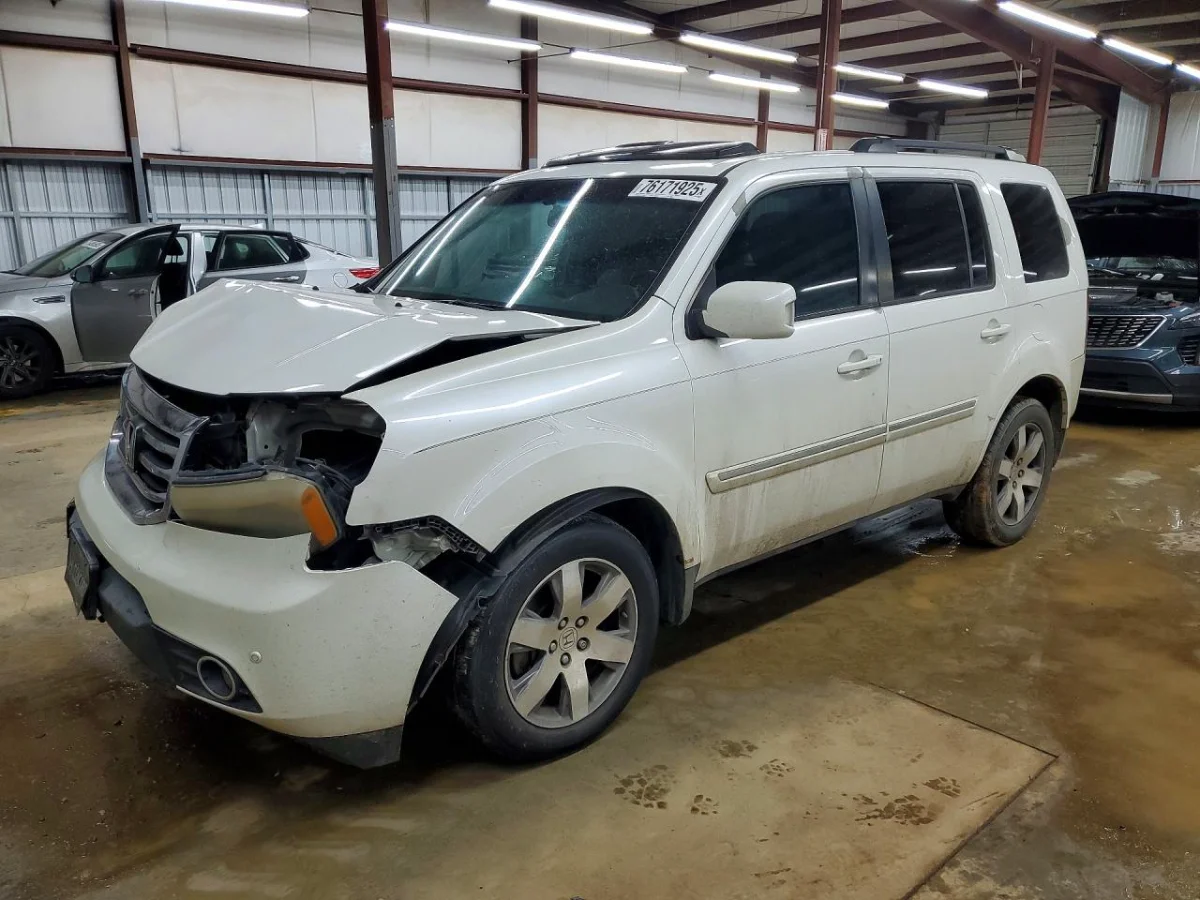
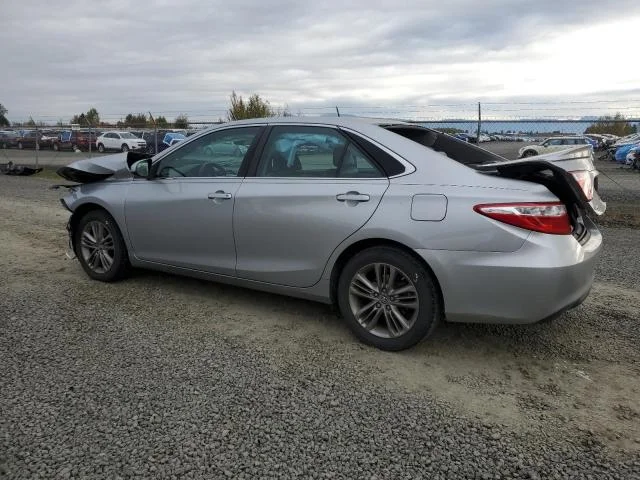
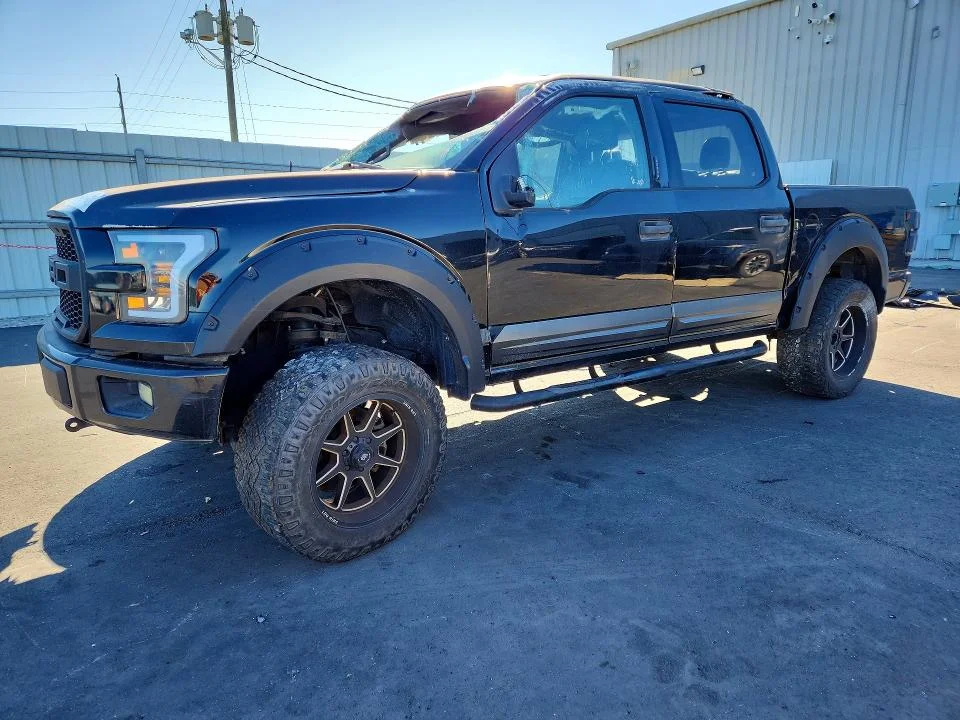
Share the vehicle year, make, model, Manhattan ZIP code and condition for a fast no-obligation offer.
If the price works for you, pick a pickup window that fits your schedule and access situation.
We come directly to your Manhattan address and handle the tow at no charge.
Payment is made at pickup before the vehicle leaves your property.
Prepare three groups of facts: full vehicle condition and identifiers, ownership name and documents, and the exact parking location with access details. Include keys, wheels, steering, major missing parts, lien or co-owner status, clearance, permission, and current photos if requested.
No. A dead battery, locked steering, seized brake, collision damage, missing wheel, no key, garage ramp, or tight curb position can create different requirements. Fred's must review the complete condition and access before carrier capability is confirmed.
It depends on the vehicle and available proof. The titled owner may need a replacement, while a qualifying older vehicle may use a transferable registration; lien, estate, out-of-state, and abandoned situations require individual review before transfer.
A buyer may consider the vehicle's year, model, condition, completeness, current demand, ownership status, and access requirements. Ask Fred's to identify the assumptions behind the amount and explain which material discrepancy could lead to revised terms.
Possibly, after the owner and facility authorize release and Fred's confirms clearance, vehicle position, keys, wheels, steering, loading space, and carrier capability. Shop balances, garage procedures, and access hours should be settled separately.
Follow New York DMV's current instructions to remove the plates and registration sticker before completing the sale. Then use the official sequence for transferring or surrendering plates and managing New York liability insurance.
First obtain each party's exact legal name and role. Use New York DMV's regulated-business search for applicable vehicle businesses and NYC DCWP towing guidance for tow-company and driver checks, without assuming one credential covers every participant.
From Manhattan to nearby Inwood, Washington Heights, Harlem, East Harlem and Upper West Side communities, Fred’s Auto Removal offers free towing, clear pickup planning and cash payment.
Get My Free Cash Offer