
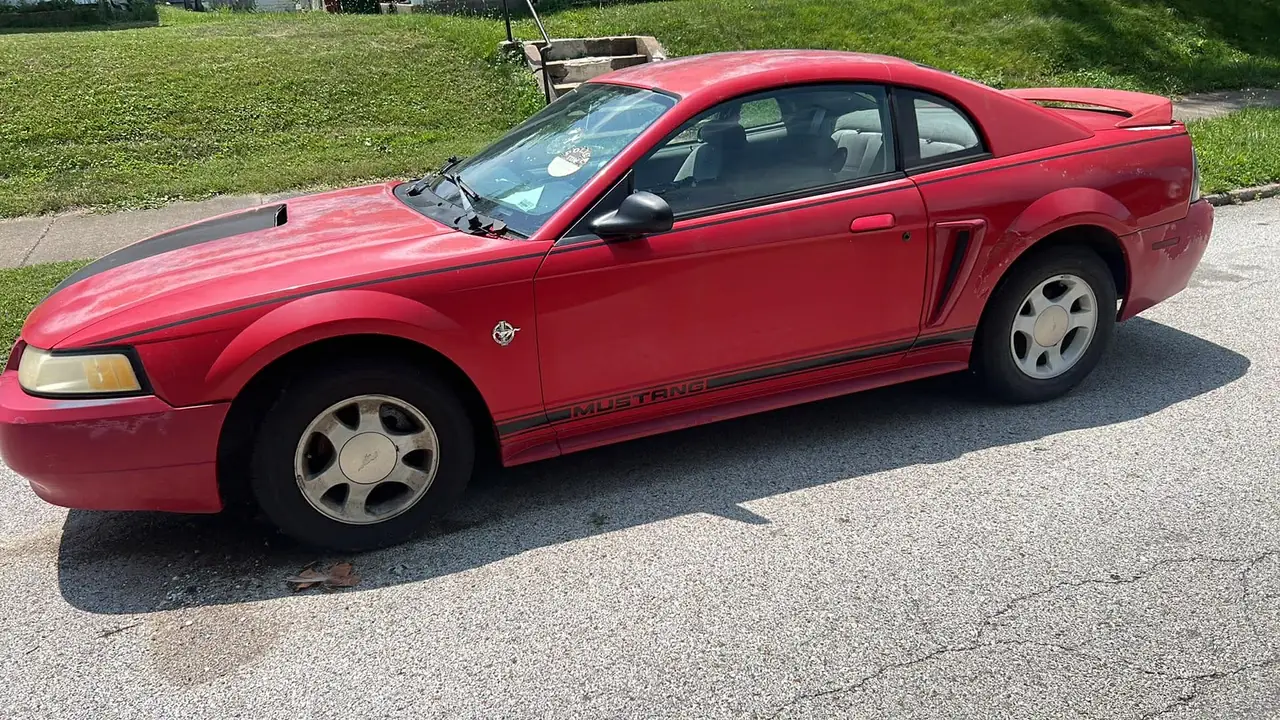
1999 Ford Mustang
Price$1,250
LocationInwood, NY
ConditionRuns
Running or not – we pay cash on the spot.
Free towing. Same-day pickup. No hidden fees.
8:00 am – 8:00 pm
7 days a week
1033 E Powell Blvd
Gresham, OR 97030
New York County is Manhattan. The names describe the same borough and county geography, as the NYC311 borough and county guide confirms. They do not describe all five boroughs of New York City. That distinction matters when an unwanted vehicle is at a Manhattan curb, in a private lot, at a repair shop, or inside a managed garage. The useful starting point is not a broad city name. It is the exact vehicle address, the person who has authority to transfer it, and the document that proves that authority.
A voluntary sale also differs from reporting an abandoned car or recovering a vehicle from a city tow pound. Before removal can be discussed responsibly, work through three checks: lawful owner, correct ownership documents, and reachable vehicle. Those checks prevent a parking problem, a lost title, or difficult garage access from becoming a surprise during the handoff.
An old car can become a burden for many ordinary reasons. It may no longer run, repairs may no longer make sense to the owner, collision damage may have ended daily use, or the vehicle may simply be unnecessary. A private sale could still suit a complete running car when the owner has time to advertise, meet buyers, and manage the transfer. Repair, trade-in, donation, and an insurance claim may also deserve consideration depending on the condition and ownership situation.
Junk car removal is most relevant when the owner values a direct vehicle-specific offer and a coordinated handoff more than another round of repairs or private-sale meetings. That does not mean every vehicle or location will qualify. Coverage, access, documents, towing terms, payment method, and any final inspection still need to be confirmed for the actual car. Starting with accurate facts gives both sides a better basis for deciding whether to proceed.
Do not let a parking deadline turn a complicated ownership problem into an improvised transfer. A lost title, open lien, deceased owner, business-owned vehicle, or co-owner may require action before the car can lawfully change hands. Likewise, a vehicle sitting on someone else’s property is not automatically theirs to sell. The right route depends on ownership, not only on who controls the parking space.
The name on the ownership document is the first place to look. If one person owns the vehicle and the document matches that person, the ordinary transfer path may be relatively direct. If two owners are shown, the document and New York requirements determine who must sign. A lien entry calls for proof that the secured interest has been resolved. An estate, trust, company vehicle, or power-of-attorney situation can require different authority than an ordinary individual sale.
These details should be raised before anyone sets a removal window. Give the buyer the ownership name exactly as it appears, explain any lien or co-owner, and identify who will be present to sign. Do not alter a title to force it to fit. New York DMV warns against changes, erasures, and cross-outs in title entries, and the seller is responsible for the applicable transfer and disclosure fields.
A landlord, garage operator, building manager, relative, or neighbor may possess keys or control access without owning the vehicle. New York DMV has a separate abandoned and unclaimed vehicle process for situations outside a normal owner-authorized transfer. When authority is uncertain, use that official route or obtain appropriate legal guidance. A purchase conversation cannot substitute for proof that the signer has the right to sell.
New York DMV says most successful vehicle transfers require proof of ownership and proof of sale. For most vehicles from model year 1973 or newer, an original title or another acceptable original or certified ownership proof is ordinarily central to the transfer. For a qualifying 1972 or older vehicle, an original or certified New York transferable registration may serve as ownership proof. The age distinction is important; an old registration is not automatically enough for every car.
The DMV’s vehicle ownership transfer instructions explain the normal seller and buyer steps. Read them for the particular document in hand. Make sure the vehicle identification number, owner name, and vehicle description agree before filling anything out. Ask about a lien release when a lien appears, and clarify a mismatch before the scheduled handoff rather than asking a driver to interpret it.
A missing title should lead to a document review, not a blanket promise. The titled owner may be eligible to request a replacement online, by mail, or through a DMV office process. DMV states that the replacement title is mailed rather than issued over the counter. Eligibility and delivery depend on the record and circumstances, so a parking or storage deadline does not guarantee that the document will arrive in time.
Tell Fred’s what happened to the title, the model year, the state that issued the last ownership document, and whether the owner’s name and address still match the record. Some older vehicles use a different proof path, while out-of-state, estate, lien, or abandoned situations need individual review. The careful answer to can I sell without a title is often: first determine what proof New York DMV accepts for this vehicle and transfer.
Proof of sale identifies the vehicle and records the agreement between the parties. Complete the required title transfer and disclosure areas accurately, and retain a copy of the signed sale or transfer record. Before release, write down the legal buyer name, the vehicle identification number, the agreed amount and payment form, and the date. A receipt should identify the transaction clearly enough to match it later.
New York DMV also instructs sellers to remove the license plates and registration sticker before completing a sale. Follow the current instructions for transferring or surrendering plates and for handling insurance in the proper order. Clear personal items from the cabin, trunk, console, and any storage compartments, but do not remove vehicle parts after the condition has been described for an offer.
An offer is only as useful as the information behind it. Start with the year, make, model, trim if known, mileage, vehicle identification number if available, and exact Manhattan location. Then describe whether the engine starts, whether the car can move under its own power, and whether it can roll and steer. Running, rolling, and steering are three different facts.
List major damage and missing components plainly. Mention collision damage, fire or water exposure if it actually occurred, broken glass, fluid leakage, a missing battery, engine, transmission, catalytic converter, wheels, or other major parts. State whether all tires are inflated, whether the brakes are locked, and whether a key is available. Photos may help show the exterior, interior, wheels, damage, and the space around the car, but ask what images are needed before sending sensitive documents.
Vehicle facts can influence value because year, model, condition, completeness, demand, and current market conditions differ. Access can matter too when the car cannot roll, is trapped behind another vehicle, or sits where loading is restricted. Avoid treating a preliminary estimate as the final agreement until the buyer has reviewed the ownership and access information and explained what, if anything, could change the terms.
The exact place where the car rests may matter as much as its mechanical condition. A legal curb position offers different access from a narrow private lot, a repair bay, or an underground garage. Provide the full address and describe the site without assuming that a carrier can enter. The person confirming the arrangement needs enough detail to evaluate legal staging, physical clearance, and the path from the parked position to a loading area.
Read the signs on that block. NYC parking controls apply to the location and time shown, and the city is a Tow Away Zone under the NYC DOT parking rules. Note alternate-side cleaning, construction notices, temporary restrictions, hydrants, bus stops, loading controls, and any other relevant sign. A vehicle waiting for a private sale remains subject to those rules.
Share which side of the street the vehicle occupies, whether another vehicle blocks it closely, whether the wheels can turn, and whether there is usable loading space. Do not move a non-running or damaged car into an illegal position simply to make it easier to reach. The handoff location and window should be lawful and specifically confirmed.
Identify who owns or manages the property and who can authorize entry and release. Describe gates, slopes, narrow turns, overhead obstacles, surface conditions, and parked vehicles that restrict the approach. At a repair shop, settle any release or storage issue directly with the shop and confirm its access hours. Give the buyer the name and phone number of the authorized contact only with that person’s consent.
If the vehicle is partly disassembled, elevated, blocked in a bay, or unable to roll, say so early. A shop’s ability to move the vehicle is not proof that the eventual carrier can do the same. The arrangement needs a clear plan for where the car will be, who releases it, and what condition it will be in at the agreed time.
Ask the attendant or building manager about vehicle-release procedures, entry height, ramp turns, floor location, lift or stacked-parking position, and whether an outside carrier may enter. Measure clearance rather than guessing. Note whether the stored car can be brought to street level by authorized garage staff and whether a legal loading space can be arranged outside if direct garage access is not possible.
Garage permission, keys, a drivable car, and adequate clearance can each affect feasibility, but none alone settles it. A low ceiling, mechanical lift, steep ramp, tight column spacing, or blocked vehicle can require a different plan. Confirm the actual carrier capability before paying exit or staging charges based on an assumption.
A car that is unwanted by its lawful owner may be offered for sale. A car left on public property or already taken into city custody follows a different process. The Department of Sanitation vehicle guidance states that abandoning a vehicle on public property is illegal. Removing plates or walking away is not a disposal method.
If the car has already been city-towed, first use the NYC Department of Finance towed-vehicle instructions to locate it and understand the applicable retrieval steps. Do not promise a private buyer can bypass ownership, registration, insurance, judgment, fee, or authorization requirements. Once the owner is legally able to release the vehicle, a separate sale may be discussed on its own terms.
A careful handoff starts before anyone arrives. Confirm the legal name and role of the buyer, who will transport the vehicle, the final amount and payment method, whether removal has any charge or deduction, and what condition or access discrepancy could change the agreement. Ask what document and receipt will be provided. If another company performs the transport, understand which party is buying the car and which party is only moving it.
At handoff, compare the vehicle and identification details with the agreed record. Remove belongings and follow DMV instructions for plates and the registration sticker. Sign only complete, accurate transfer documents, and keep copies of the accepted terms, transfer record, receipt, and relevant vehicle photos. Do not release the car merely because someone has the address and keys.
For a vehicle elsewhere in New York State, begin with the New York statewide guide and provide its actual county. For a vehicle in Manhattan, the Manhattan quote-readiness guide goes deeper into the information behind an offer. Owners facing a downtown garage can use the Lower Manhattan access guide, while a northern curb location may fit the Washington Heights street guide. The exact address still decides which access questions matter.
When the authority, document, and location checks are ready, call Fred’s Auto Removal at 773-869-5144 to describe the vehicle and ask whether coverage and removal can be confirmed for that Manhattan location. A useful conversation should leave you with clear terms, identified parties, and no unresolved assumptions about the title or pickup site.
Sample pickups like the vehicles Fred’s regularly buys: non-running cars, damaged SUVs, old trucks and unwanted commuters with free towing included.
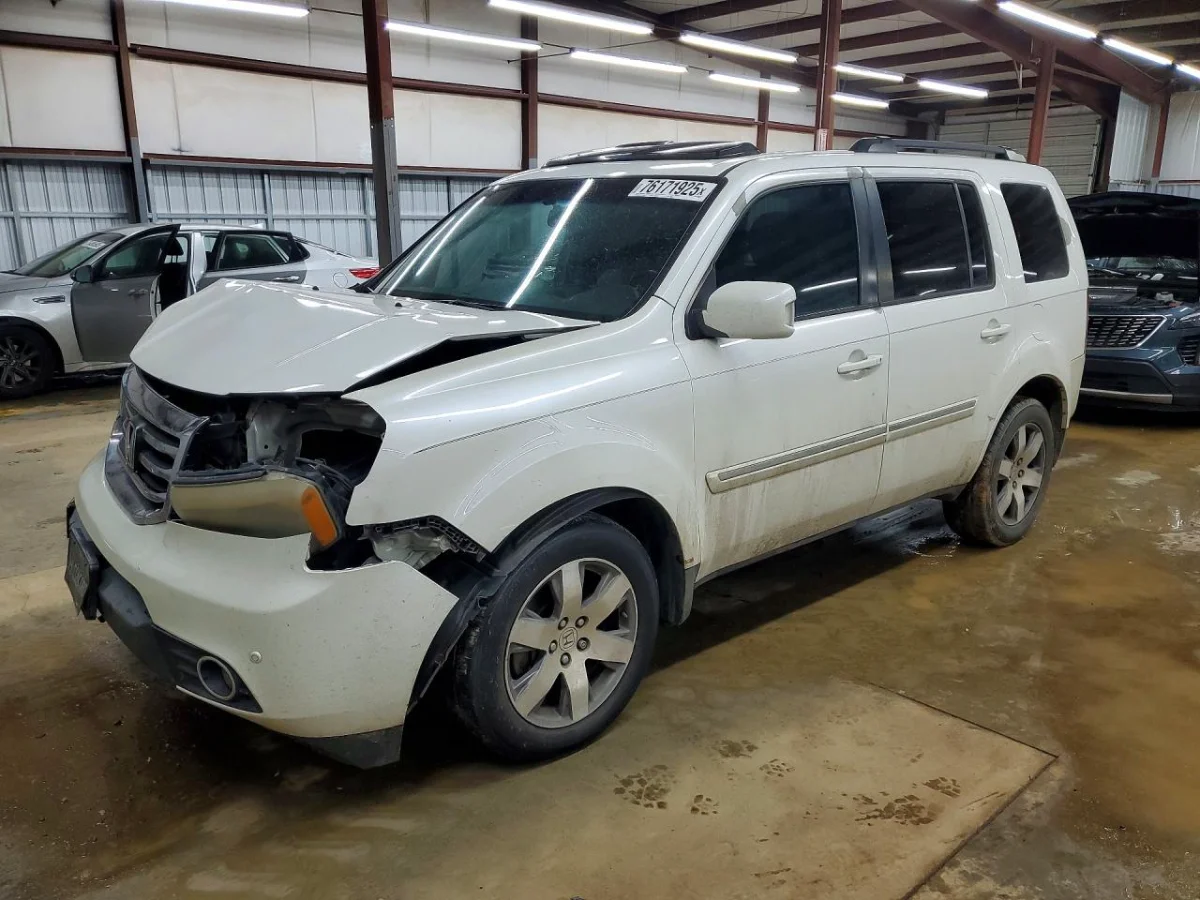
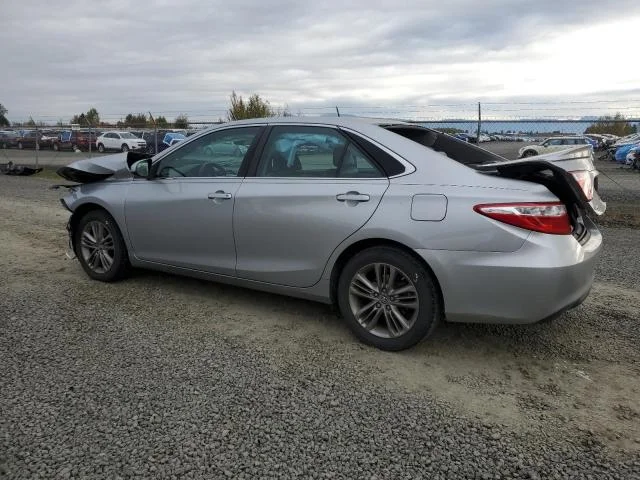
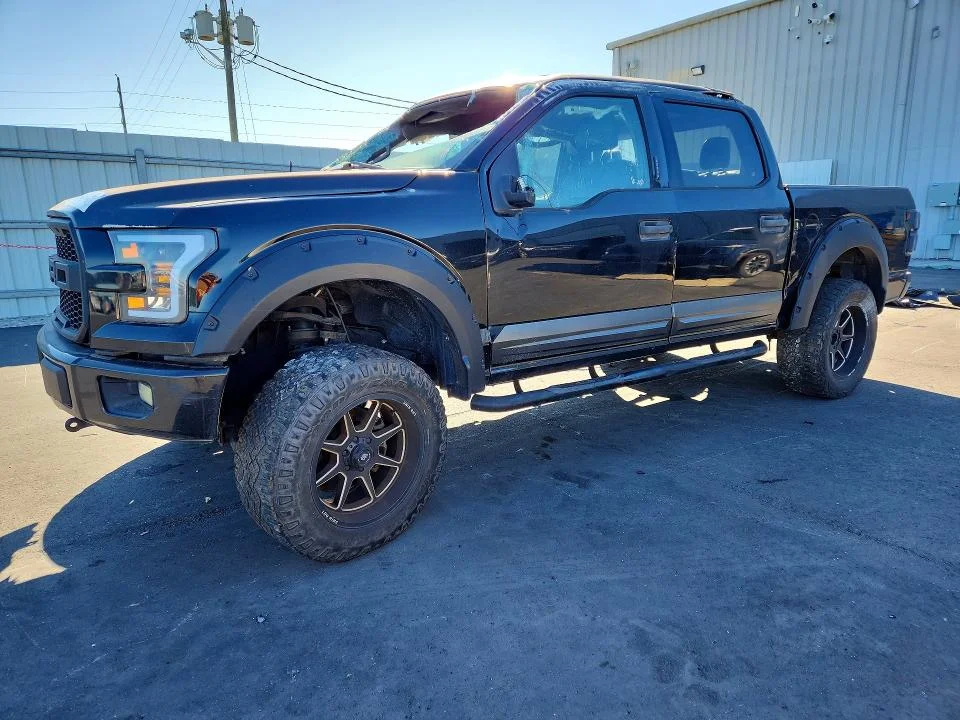
Share your vehicle year, make, model, Manhattan ZIP code and condition for a fast no-obligation offer.
If the price works for you, pick a pickup window that fits your schedule and access situation.
We come directly to the confirmed Manhattan pickup address and handle the tow at no charge.
Payment is made at pickup before the vehicle leaves your property.
Yes. NYC311 maps the borough of Manhattan to New York County, but New York County does not include the Bronx, Brooklyn, Queens, or Staten Island. Use the vehicle's physical borough and exact address when discussing removal.
New York DMV says most transfers require proof of ownership and proof of sale. The correct ownership proof depends on the vehicle year and circumstances, and lien, estate, co-owner, business, or out-of-state documents may require additional review.
It depends on the specific vehicle and ownership record. A titled owner may need a replacement title, while a qualifying 1972-or-older vehicle may use a transferable registration; Fred's should review the exact documents before any removal is confirmed.
Possibly, but garage permission, entry clearance, ramps, vehicle position, keys, rolling and steering condition, and legal loading space all matter. Provide those details so Fred's can determine whether the location and required carrier capability can be confirmed.
Use the NYC Department of Finance and applicable NYPD instructions to locate the vehicle and resolve release requirements first. A private sale should not be treated as a way around ownership, insurance, registration, judgment, fee, or authorization conditions.
Not merely because it is on your property. Possession of the vehicle or control of the parking space does not establish ownership, so use New York DMV's abandoned and unclaimed vehicle process unless the lawful owner or authorized party completes the transfer.
Yes, follow New York DMV's current transfer instructions for removing the plates and registration sticker before completing the sale. Also follow the official order for transferring or surrendering plates and handling liability insurance.
From Inwood, Washington Heights, Harlem, East Harlem, Upper West Side, Upper East Side, Midtown, and Hell's Kitchen and nearby New York County communities, Fred’s Auto Removal offers free towing, clear pickup planning and cash payment.
Get My Free Cash Offer