
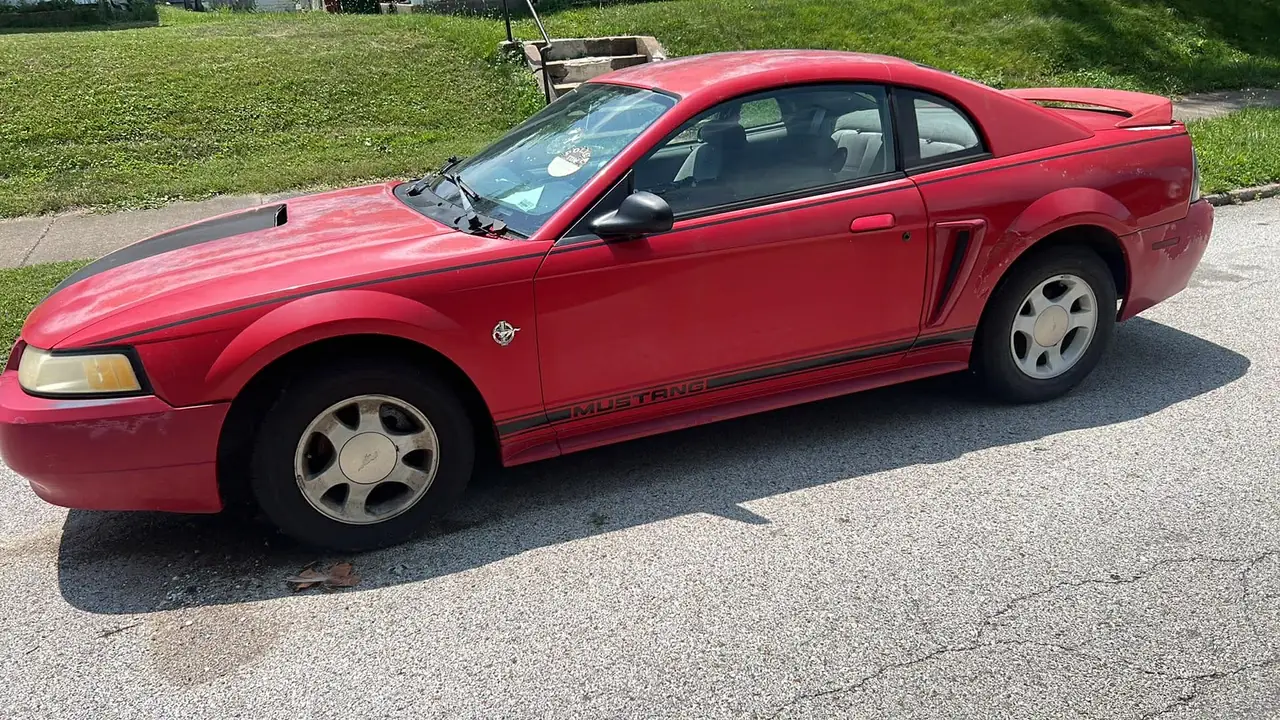
1999 Ford Mustang
Price$1,250
LocationLower Manhattan, NY
ConditionRuns
Running or not — we pay cash on the spot.
Free towing. Same-day pickup. No hidden fees.
8:00 am – 8:00 pm
7 days a week
1033 E Powell Blvd
Gresham, OR 97030
In Lower Manhattan, knowing that a vehicle is unwanted is only half the story. The other half is where it sits and how it could leave. A car below street level, in valet storage, on a mechanical lift, at a repair shop, or in a tightly controlled curb space cannot be evaluated as though it were waiting in an open lot. The first useful question is therefore not how quickly it can go. It is whether the owner, building, vehicle, and loading location can support a lawful handoff.
Lower Manhattan is a commonly used area name within Manhattan, not a separate city with a single universal boundary. Manhattan Community Board 1 says it covers Lower Manhattan, and the official board directory names Battery Park City, the Financial District, Seaport/Civic Center, and Tribeca for that district. Those references help orient the request, but Fred’s Auto Removal still needs the exact vehicle address before it can confirm coverage or access.
If the car is in a managed garage, contact the operator before making arrangements with a buyer. Ask what authorization is required to release the vehicle, whether an outside carrier may enter, and which hours or appointment procedures apply. Record the name of the attendant or manager who provides the instructions. The titled owner may be authorized to sell the car while the garage retains control over when and how it exits.
For a residential or commercial building, find out whether security, loading-dock staff, a superintendent, or property management must approve access. A private lot may have a gate code or space assignment. A repair shop may require the customer to settle a bill or sign its release. None of these facts proves vehicle ownership; they simply define the site conditions that must be met in addition to the transfer requirements.
If the vehicle has already been moved by city authorities, stop treating it as an ordinary garage or curb handoff. Use the NYC Department of Finance towed-vehicle instructions to locate it and determine the steps that apply. A private buyer should not promise to bypass the city’s ownership, authorization, insurance, registration, judgment, tow, or storage requirements.
Garage name and address are not enough. Note the level, stall, ramp, lift, stack, or valet arrangement. Measure the posted entrance height and ask whether a lower clearance appears elsewhere on the route. Describe tight turns, columns, steep grades, raised curbs, narrow aisles, vehicle elevators, and the distance to street level. If the garage can bring the car to an exit area, determine whether that is an authorized service and what conditions apply.
Then describe the car in movement terms. Does it start? Can it move under its own power? Does it roll freely? Does the steering unlock? Are all wheels present and tires inflated? Is a key available? A car may answer yes to one question and no to the next. A dead battery is different from collision-damaged suspension, missing wheels, seized brakes, or a vehicle secured on a parking lift.
Take current photos of the car and the route around it if the property permits. Include the wheels, major damage, overhead clearance sign, ramp, aisle, and nearest practical exit. Do not photograph security information or other people’s vehicles unnecessarily. Ask Fred’s which images are needed to evaluate the request and how documents should be shared securely.
This path can only be considered after the facility permits it and the actual carrier capability is known. Entry height, ramp geometry, vehicle position, rolling condition, equipment dimensions, ventilation or operational rules, and space to load all matter. The fact that the stored car once drove inside does not mean removal equipment can follow it. Do not commit to this option based on an unmeasured clearance or an attendant’s casual estimate.
Some owners may be able to arrange for authorized garage or shop staff to bring the vehicle to street level or another designated release point. Whether that is available, permitted, or subject to a charge depends on the facility. The owner should confirm who takes responsibility for the movement, where the car will be left, and when the buyer’s carrier must arrive. Fred’s should then review that proposed location independently.
A curb alternative is not automatically simpler. The NYC DOT parking regulations govern stopping, standing, and parking, and New York City is a Tow Away Zone. Read every sign controlling the proposed spot, including temporary restrictions. Confirm that the vehicle can lawfully occupy the space and that the carrier has practical loading room. Do not push a disabled car into a restricted area or leave it unattended on the assumption that removal will happen immediately.
Access work should be proportional to the decision. If the car is repairable and the owner wants to keep it, obtaining a diagnosis may be worthwhile. A running, complete vehicle could suit a private sale or trade-in if the owner is prepared for meetings and paperwork. A collision claim may need to remain with the insurer until responsibilities are clear. Donation is another possible route when its terms fit the owner’s goals.
A junk-car offer is one way to value a vehicle in its present condition. It can be especially relevant when repair, storage, and private-sale effort no longer suit the owner. Still, a request does not establish that Fred’s serves the address, can use the proposed access path, accepts the available ownership document, or includes every transportation cost. Those points need direct confirmation.
A storage deadline can sharpen the decision, but it should not erase due diligence. Ask the garage for the release conditions and any applicable charges, then ask the buyer how those conditions affect the agreement. Begin missing-title or lien work promptly. A rushed handoff based on assumptions can leave the vehicle trapped, the transfer incomplete, or the seller unclear about the final amount.
This single information set supports both the offer discussion and the access review. It also reduces the chance that the carrier receives a different description from the person who made the estimate. Update it if the garage moves the car, parts are removed, tires lose air, or the proposed release point changes.
New York DMV states that most successful transfers require proof of ownership and proof of sale. Its vehicle transfer guidance describes the ordinary seller and buyer steps. For most model-year 1973 or newer vehicles, an original title or another acceptable original or certified proof is expected. A qualifying 1972 or older vehicle may use an original or certified New York transferable registration.
Check the vehicle identification number and owner name against the actual car before completing the forms. Disclose an open lien, co-owner, estate, trust, company ownership, or out-of-state document at the beginning. Do not erase, cross out, or rewrite title entries to solve a mismatch. The responsible next step may be a corrected document, lien release, duplicate title, or other official process.
If the title is lost, the titled owner may be eligible for the DMV replacement-title process. A replacement is mailed after processing, so it should not be described as an immediate solution to a garage deadline. Tell Fred’s what proof is available and wait for document acceptance to be confirmed before authorizing movement.
At transfer, complete the applicable title, sale, odometer, and damage entries accurately. Follow DMV instructions for removing plates and the registration sticker before the sale is complete. Keep copies of the ownership transfer, accepted offer, receipt, buyer identity, and vehicle information. Handle plate transfer or surrender and liability insurance in the official order.
The MTA Congestion Relief Zone overview says the zone includes local Manhattan streets and avenues south of and including 60th Street, subject to listed exclusions. Lower Manhattan lies within that broad geography. The statement does not identify the route a particular carrier will use, whether a trip is tolled, or who bears a cost under a private vehicle-sale agreement.
Ask the buyer to explain transportation terms in writing. Does the offered amount assume a particular pickup location? Are tolls, garage exit charges, difficult access, waiting, or special movement handled separately? Who pays the carrier, and could any amount be deducted from the seller’s payment? Do not infer the answers from the neighborhood or from another company’s advertising.
Build a fallback before the garage appointment. If direct entry is not approved, identify whether authorized facility staff can move the car and whether a lawful surface location is available. If neither option is confirmed, keep the vehicle where the property permits and return to the buyer with the unresolved constraints. A fallback is not permission to leave the car at a curb, block an entrance, or require an attendant to perform work outside the facility’s rules. It simply prevents a failed access assumption from becoming an avoidable release problem.
Vehicle value can reflect year, model, condition, completeness, mileage where relevant, demand, and current market factors. The practical recovery plan may also matter when a car is below grade, cannot roll, or must be moved by facility staff. Ask which facts were used for the estimate and whether it is preliminary or final. Confirm how long the terms remain available and what material change could reopen them.
Before releasing the car, identify the legal buyer and the company transporting it. Confirm the final amount, payment method, payer, timing, receipt, and any charge or deduction. If the condition or location differs at handoff, request a specific explanation and decide whether the revised agreement is acceptable. Do not sign an incomplete transfer or let an unknown party take the vehicle merely because it has garage access.
Remove personal belongings and follow DMV directions for plates and the registration sticker. Make sure the garage or shop knows who is authorized to collect the car and that its own release has been satisfied. Retain a signed transfer or bill of sale, a receipt, the accepted terms, and photos showing the vehicle at release.
A voluntary sale is for a vehicle the lawful owner or authorized party can transfer. It is not a remedy for someone else’s car, and it does not override public parking rules. If a vehicle is left on public property, the official abandonment and enforcement procedures apply. If it is on private property but the person seeking removal does not own it, use the lawful abandoned or unclaimed vehicle route.
Likewise, city custody is different from a managed private garage. Resolve the official tow-pound process before trying to arrange a sale. The owner should know where the vehicle is, whether it can be released, and which documents or obligations must be addressed. Only then can a buyer evaluate a separate voluntary transaction.
For wider borough questions, use the Manhattan vehicle and offer checklist. A car in the commercial core farther north may fit the Midtown managed-garage guide. The New York County guide explains authority, documents, and access across Manhattan.
When the owner record, vehicle facts, facility rules, measurements, and loading alternative are ready, call Fred’s Auto Removal at 773-869-5144. Ask whether the exact Lower Manhattan address is covered and which access path can be confirmed. Keep the vehicle lawfully stored until the agreement identifies the buyer, transfer documents, transportation terms, and authorized release point.
Sample pickups like the vehicles Fred’s regularly buys: non-running cars, damaged SUVs, old trucks and unwanted commuters with free towing included.
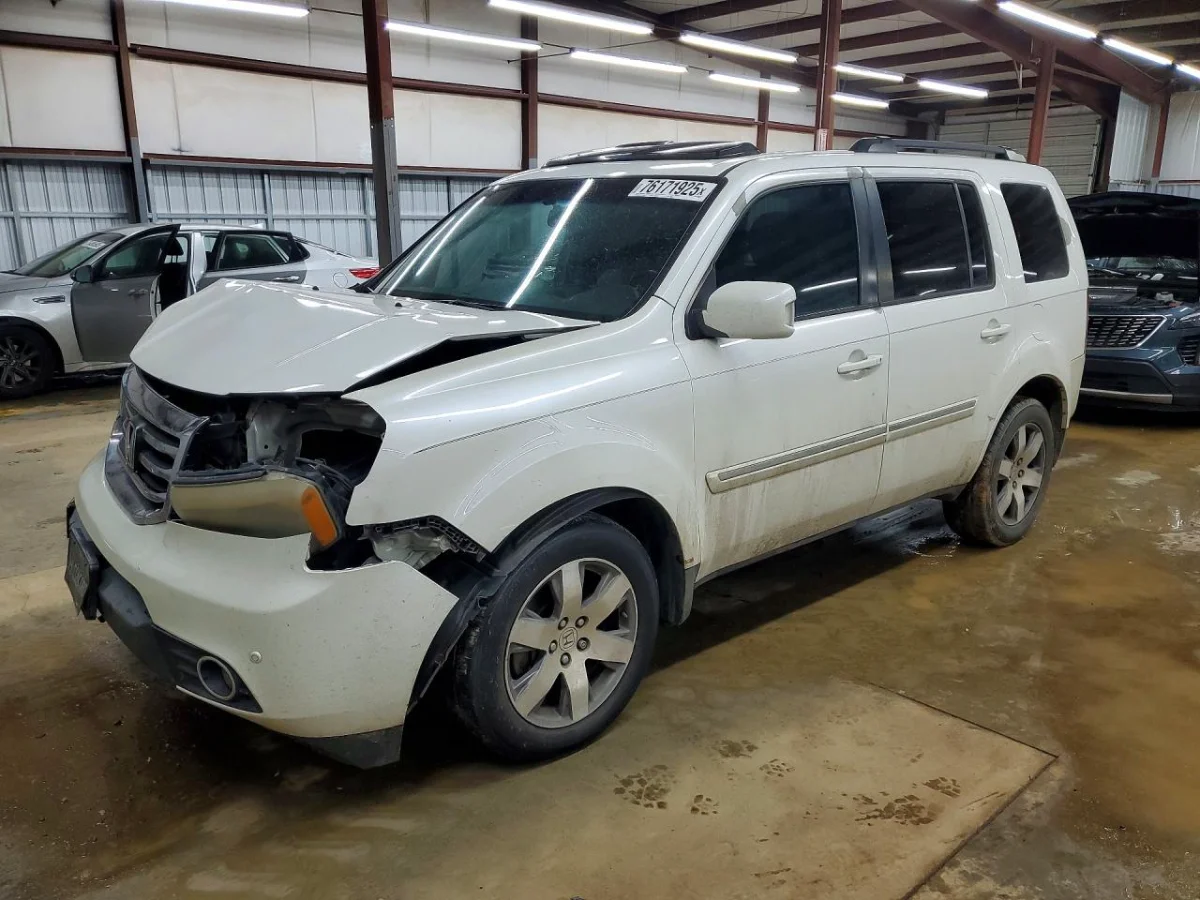
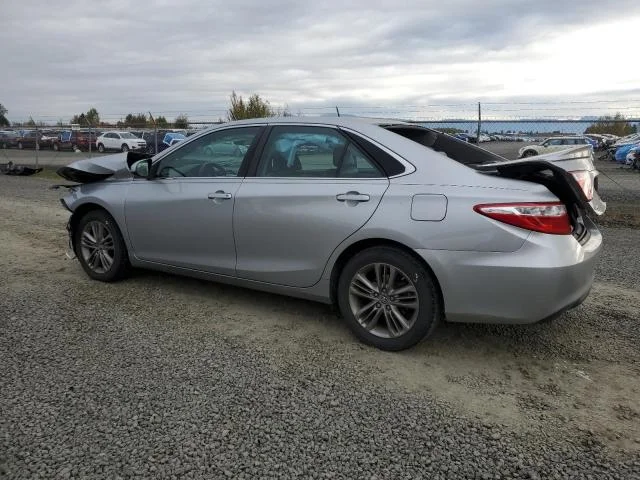
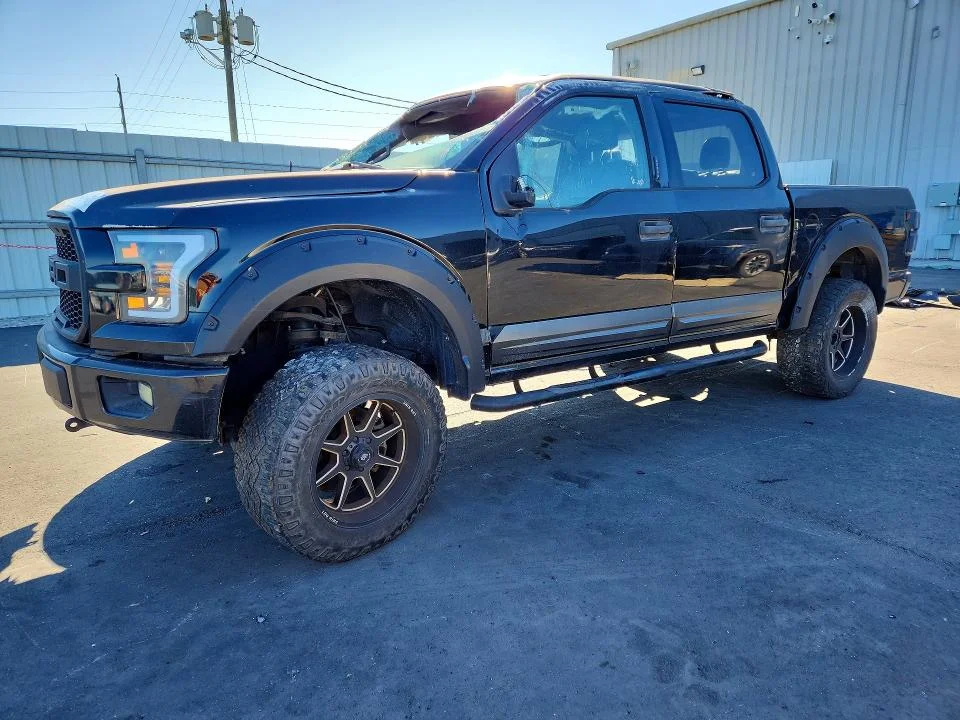
Share the vehicle year, make, model, Lower Manhattan ZIP code and condition for a fast no-obligation offer.
If the price works for you, pick a pickup window that fits your schedule and access situation.
We come directly to your Lower Manhattan address and handle the tow at no charge.
Payment is made at pickup before the vehicle leaves your property.
Manhattan Community Board 1 is a useful orientation and includes Battery Park City, the Financial District, Seaport/Civic Center, and Tribeca. Neighborhood edges are not a Fred's service boundary, so provide the exact vehicle address for coverage review.
It depends on facility permission, clearance, ramps, vehicle position, keys, wheels, steering, loading room, and confirmed carrier capability. Ask the garage for written release instructions and give Fred's current measurements and photos before assuming direct entry.
The MTA says Lower Manhattan is within the broad Congestion Relief Zone geography, but the actual route and private commercial terms vary. Ask Fred's to state whether tolls or related transportation costs affect the specific agreement.
Potentially, if Fred's confirms service, vehicle condition, lawful staging, loading access, and timing for that address. The car must continue to follow posted NYC parking rules, and a planned handoff does not reserve or exempt the curb space.
Use NYC Department of Finance and applicable NYPD instructions to locate and retrieve the vehicle before treating it as a voluntary sale. A buyer should not promise to bypass city release, ownership, insurance, judgment, tow, storage, or authorization requirements.
Document acceptance depends on the vehicle and ownership record. The titled owner may need a replacement title, while a qualifying older vehicle may use another DMV-accepted proof; do not schedule garage release until Fred's confirms the available documents.
Provide the exact parking position, garage contact, permission, clearances, ramps, lift or stack status, legal loading alternative, keys, wheels, steering, major damage, title and lien status, storage deadline, and current photos.
From Lower Manhattan to nearby Inwood, Washington Heights, Harlem, East Harlem and Upper West Side communities, Fred’s Auto Removal offers free towing, clear pickup planning and cash payment.
Get My Free Cash Offer