
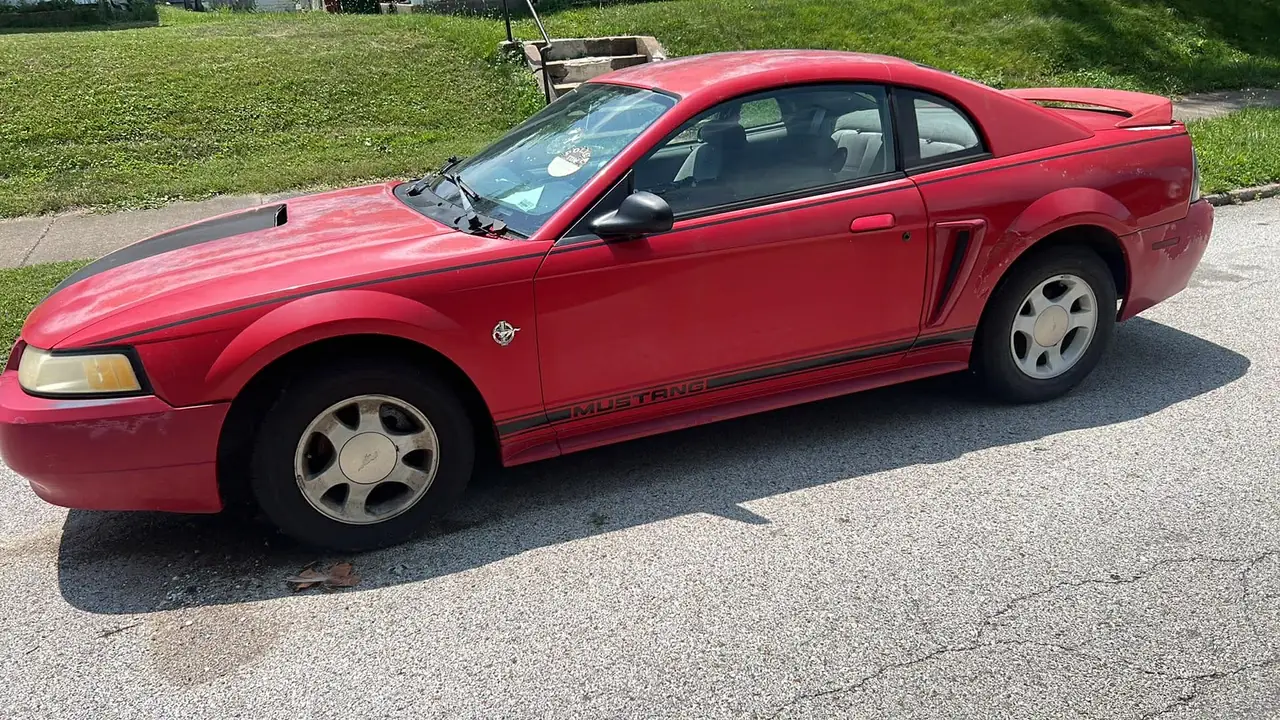
1999 Ford Mustang
Price$1,250
LocationNew York, NY
ConditionRuns
Running or not — we pay cash on the spot.
Free towing. Same-day pickup. No hidden fees.
8:00 am – 8:00 pm
7 days a week
1033 E Powell Blvd
Gresham, OR 97030
New York, NY can look precise while leaving the most important location question unanswered. A person may use it for New York City generally, for a Manhattan mailing address, or even when searching across New York State. The physical borough of the vehicle determines which local access and city procedures are relevant. A ZIP code, garage name, repair-shop address, or curb location is more useful than the city line by itself.
This guide is specifically for vehicles located in Manhattan, which corresponds to New York County. It does not claim to cover all five boroughs through one Manhattan route. If the car is in the Bronx, Brooklyn, Queens, or Staten Island, begin with the guide for that borough and county, then confirm the exact address with Fred’s Auto Removal.
The NYC311 county guide gives the official pairings:
These names are not alternate service areas for one location. They identify different borough and county geographies within New York City. When requesting an offer, state where the car physically sits, even if the owner’s address, title address, phone area code, or mailing label points somewhere else.
A Manhattan resident may own a car stored in Queens. A Brooklyn business may have a company vehicle at a Midtown shop. An out-of-state owner may be dealing with a car in a Lower Manhattan garage. In each example, start with the vehicle’s location for access, then explain the owner’s location and documents separately. Mixing the two can send the wrong information to the person arranging transportation.
If the car is in Manhattan, continue with the ownership, vehicle, and access steps below. For the Bronx, use the Bronx County guide. For Brooklyn, use the Kings County guide. A Queens vehicle belongs with the Queens County guide, and a Staten Island vehicle belongs with the Richmond County guide.
If the car is elsewhere in New York State rather than New York City, return to the New York statewide guide and provide the actual municipality and county. A statewide business listing or a New York phone number is not proof that a particular address is covered. Fred’s should verify location, carrier availability, documents, and terms for the individual request.
An owned unwanted car can be considered for a voluntary sale. A vehicle controlled by an insurer after a claim, held in a city tow pound, subject to an unresolved lien, owned by an estate or business, or left by someone else may require another step first. The presence of a car does not establish the caller’s authority to transfer it.
Ask these questions before seeking a removal date:
If the answers point to an ordinary owner-authorized sale, prepare the rest of the information. If they point to an impound, abandoned vehicle, disputed ownership, lease, lien, or estate uncertainty, use the responsible official or legal process. A buyer should not be expected to turn possession into ownership.
It can help to separate the title address, seller contact address, and vehicle address. They may be the same, but they do not have to be. The title address helps identify the ownership record. The seller’s current address explains where the person can receive correspondence or documents. The vehicle address determines local access and transportation planning.
Provide the vehicle address in full. Add the parking facility, floor, stall, shop bay, lot entrance, nearest cross street, or side of the street as relevant. Name the authorized site contact and describe access hours. If the car moved recently, state its current location rather than the place shown on an old repair invoice or photograph.
Fred’s should confirm that the Manhattan location is within current operations before any time window is treated as settled. A New York, NY mailing line does not establish garage clearance, legal curb space, private-property permission, or carrier capability.
Gather the year, make, model, trim, mileage, registration state, and VIN if available. State whether the engine starts, whether the car drives, whether it rolls freely, whether the steering unlocks, and whether a usable key exists. Check every wheel and tire. A missing wheel, collapsed suspension, seized brake, or tightly blocked position can matter more to access than the reason the engine stopped.
List major damage and missing components. Include collision damage, deployed airbags, broken glass, fire or water exposure if it actually occurred, fluid leaks, and missing engine, transmission, battery, catalytic converter, panels, wheels, or interior parts. If the car is at a shop, ask whether diagnosis or repair changed its condition after the last description.
Share current photos if requested. Show the car from several sides, major damage, wheels, and the space around it. In a garage, include posted clearances and the route to the release point when facility rules permit. Do not guess at unknown condition. Mark it unknown and ask what inspection or photo is needed.
New York title and transfer requirements are statewide, even though curb, garage, and tow-pound conditions depend on the actual New York City location. The New York DMV transfer guidance says most successful transfers require proof of ownership and proof of sale. Seller and buyer each have responsibilities that should be understood before release.
For most model-year 1973 or newer vehicles, an original title or another acceptable original or certified proof is normally required. For a qualifying 1972 or older vehicle, an original or certified New York transferable registration may serve as ownership proof. The DMV acceptable-proof instructions should be consulted for the actual vehicle and document.
An out-of-state title cannot be summarized safely with one yes or no. Provide the issuing state, owner name, lien information, vehicle year, and complete document details for case review. The same caution applies to a lost title, only an old registration, a deceased owner, a company vehicle, a co-owner, or a name mismatch. Do not write over, erase, or cross out title entries to make them fit.
Complete the applicable ownership, sale, odometer, and damage entries accurately. Confirm the legal buyer name and whether another company will transport the vehicle. New York DMV directs sellers to remove the license plates and registration sticker before the sale is completed. Follow current instructions for transferring or surrendering plates and handling insurance in the required order.
Retain the accepted offer, signed transfer or bill of sale, receipt, payment record, buyer identity, VIN, and date. Clear toll tags, parking permits, garage devices, and personal belongings from the car. Keep a photo of the vehicle at release when appropriate. Those records matter regardless of which New York City borough contains the car.
Read the signs on the exact block and note the next restriction. The vehicle remains subject to NYC parking and enforcement rules while it waits. Share the traffic direction, legal position, space around it, construction notices, keys, steering, wheels, and rolling condition. Do not move it into a prohibited area or assume that a planned sale protects it from towing.
Ask the operator about outside carriers, entry and internal clearance, ramps, columns, lifts, stacked parking, authorized release hours, and whether staff can move the car to an accessible point. Measure rather than estimate. A passenger car fitting inside does not prove that removal equipment can enter, turn, and load.
Obtain property permission and identify the release contact. Explain gates, slopes, width, surface, security rules, loading space, and other parked vehicles. A shop should confirm its own release conditions and the car’s current assembly. The buyer should receive any relevant access change before dispatch.
For all three, coverage and equipment must be confirmed from the combined location and vehicle facts. No keys, flat tires, locked steering, or an inaccessible position may change what is feasible. Avoid a categorical promise until the responsible party has evaluated the exact situation.
Repeat the physical address when the estimate becomes an accepted arrangement. Check the borough, ZIP code, facility name, floor or curb position, and site contact against the written terms. This second check matters when the owner lives elsewhere, the title uses an old address, or a shop has moved the vehicle. The carrier should receive the location of the car, not merely the mailing address associated with the owner.
If the written confirmation says only New York, NY, ask for Manhattan or the actual borough to be added. A precise record helps the seller verify that the correct county, parking rules, facility instructions, and access facts were considered. It also creates a clear point for correction before the wrong carrier plan or county reference reaches the handoff.
A vehicle buyer agrees to purchase the car. A towing provider may only transport it for a fee. When both participate, identify each legal entity and its role. Ask who takes ownership, who pays the seller, who sends the carrier, and who issues the receipt. NYC DCWP provides towing-service consumer guidance for relevant provider checks.
Ask Fred’s which vehicle facts support the amount and whether it is preliminary. Confirm payment form, payer, timing, transportation costs, toll treatment, garage exit charges, difficult-access costs, deductions, and offer duration. Find out what material difference in title, completeness, condition, or location could change the terms. Answers must come from the specific agreement, not from broad New York advertising.
If a different company or driver appears at handoff, verify the change through a known contact before releasing documents or keys. Compare the final condition and access with the accepted description. When revised terms are proposed, ask for the reason and decide whether to continue; do not sign under curbside or garage pressure.
DSNY states that abandoning a vehicle on public property is illegal. A car that the owner no longer wants should remain lawfully stored until it is transferred or otherwise handled through a lawful process. Removing plates and leaving it is not a sale and can create enforcement consequences.
If the vehicle is already city-towed, use the NYC Department of Finance vehicle instructions before discussing a buyer handoff. Release conditions can involve proof, authorization, insurance, registration, judgments, tow charges, or storage. Fred’s should not promise a way around them.
If a former tenant, unknown owner, relative, or neighbor left the vehicle, follow New York DMV’s abandoned or unclaimed vehicle procedure. Property ownership, keys, or a parking invoice do not establish the right to sign as the vehicle owner. Obtain proper authority before moving into a normal sale conversation.
For a vehicle confirmed in Manhattan, the New York County guide explains authority and document pathways, while the Manhattan offer guide organizes the vehicle, owner, and access facts. Use the most specific location information available rather than treating New York, NY as the final answer.
When the physical borough, exact address, vehicle condition, lawful signer, and ownership proof are clear, call Fred’s Auto Removal at 773-869-5144. State that the car is in Manhattan/New York County and ask for confirmation of coverage, documents, carrier access, purchase terms, and timing. If the vehicle is elsewhere, use the matching borough route and let that real location guide the discussion.
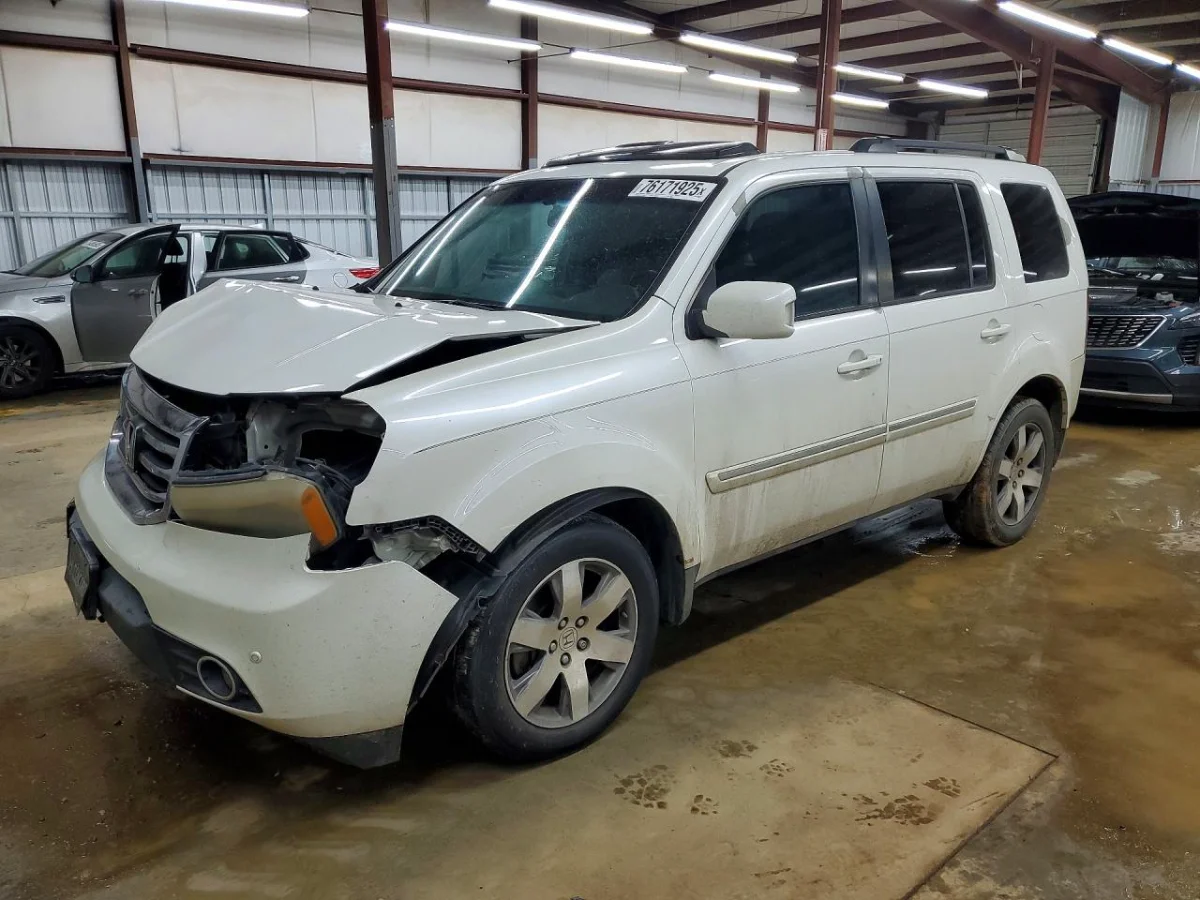
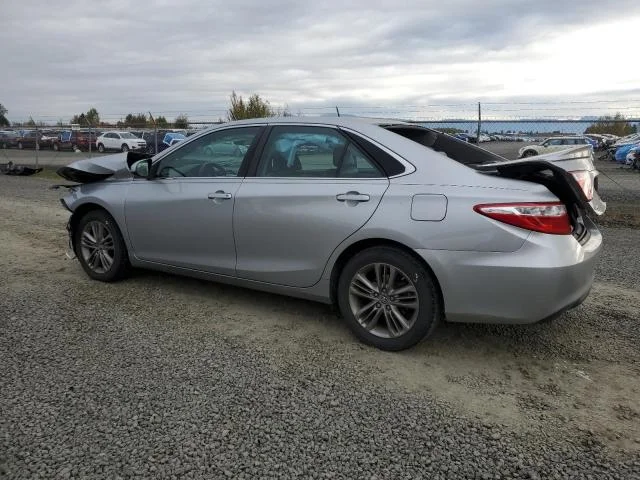
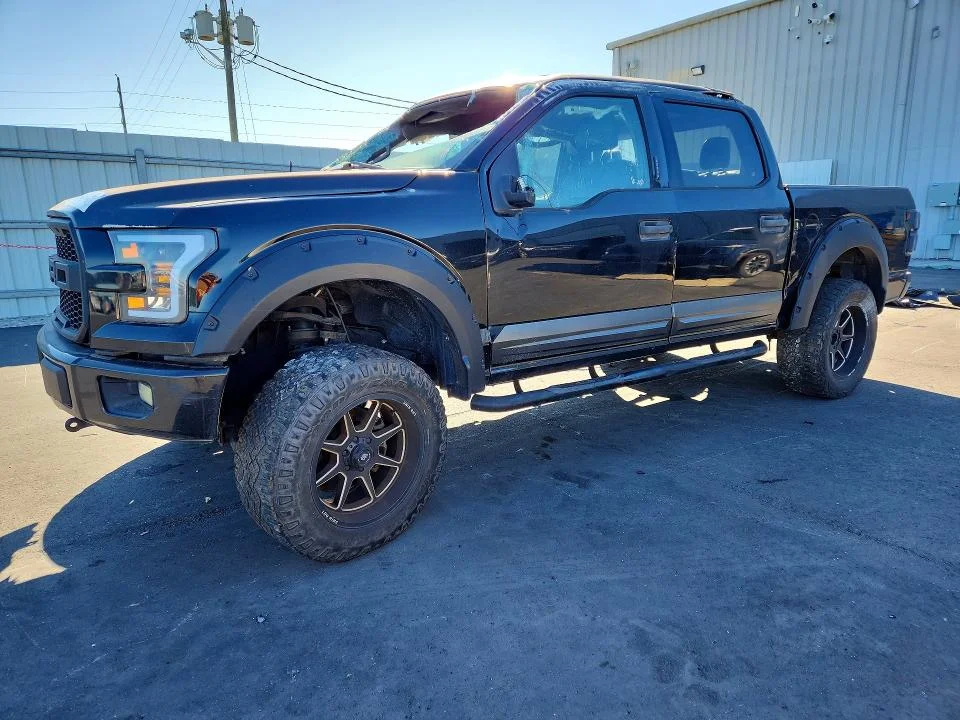
Sample pickups like the vehicles Fred’s regularly buys: non-running cars, damaged SUVs, old trucks and unwanted commuters with free towing included.
Share the vehicle year, make, model, New York ZIP code and condition for a fast no-obligation offer.
If the price works for you, pick a pickup window that fits your schedule and access situation.
We come directly to your New York address and handle the tow at no charge.
Payment is made at pickup before the vehicle leaves your property.
No. New York, NY may be used broadly, but the information here applies to Manhattan/New York County. Give Fred's the vehicle's physical borough, full address, parking type, and ZIP code before coverage or access is discussed.
Use the correct borough and county route: Brooklyn/Kings, Queens/Queens, Bronx/Bronx, or Staten Island/Richmond. A Manhattan request does not establish one pickup route or coverage promise across all five boroughs.
New York DMV ownership-transfer rules are statewide, so the core document requirements do not change by NYC borough. Parking, garage access, city towing, property permission, and carrier availability still depend on the car's actual local situation.
It requires case-specific review. Provide the issuing state, vehicle year, titled owner, lien status, signatures, and full document details so Fred's can assess them against New York DMV acceptable-proof guidance before any transfer or pickup is confirmed.
A qualifying 1972-or-older vehicle may use an original or certified New York transferable registration as ownership proof, but eligibility cannot be assumed. Newer vehicles and other circumstances usually require a title or another DMV-accepted document.
Possibly, if the garage is in confirmed coverage and permits access. Fred's will need the facility contact, entry and internal clearance, floor or lift position, keys, wheels, steering, vehicle condition, and an authorized loading or release point.
Ask whether the company is purchasing the car or only transporting it, then identify the legal buyer, carrier, payer, amount or fee, transportation costs, title recipient, and receipt. Use NYC DCWP guidance for tow-provider checks where applicable.
From New York to nearby Harlem, Washington Heights, Upper West Side, Midtown and Chelsea communities, Fred’s Auto Removal offers free towing, clear pickup planning and cash payment.
Get My Free Cash Offer