
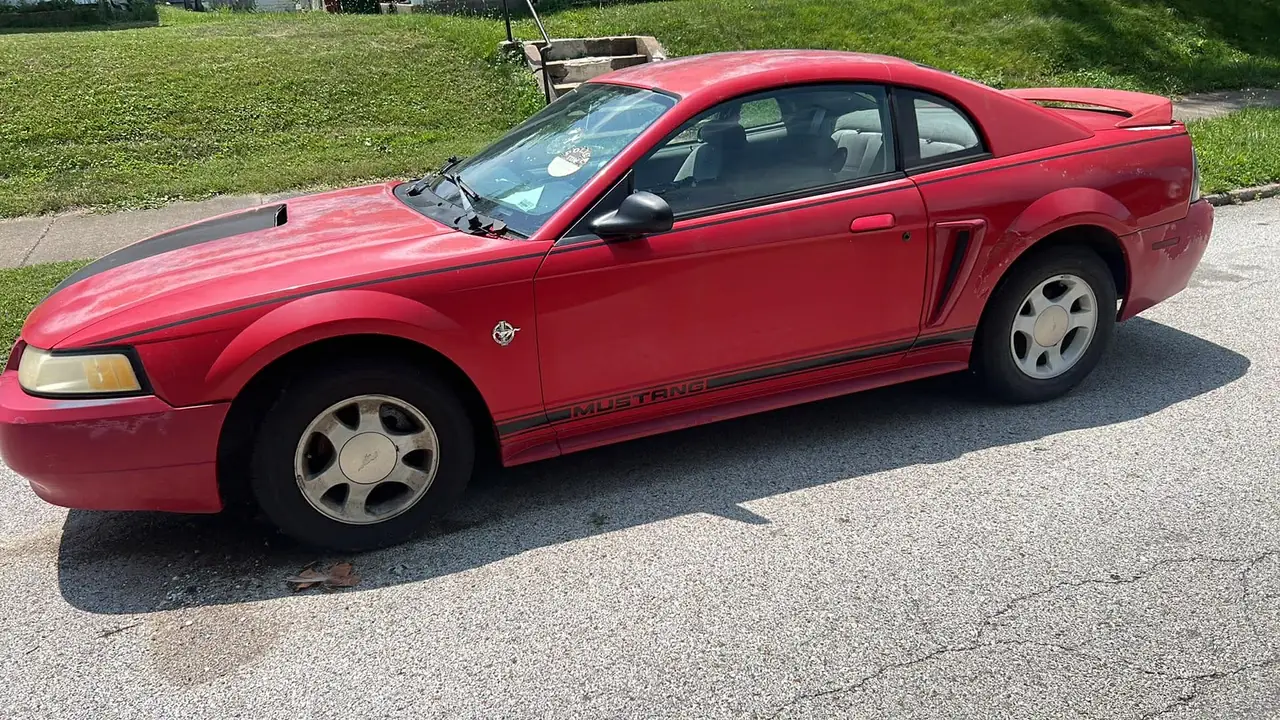
1999 Ford Mustang
Price$1,250
LocationHempstead, NY
ConditionRuns
Running or not – we pay cash on the spot.
Free towing. Same-day pickup. No hidden fees.
8:00 am – 8:00 pm
7 days a week
1033 E Powell Blvd
Gresham, OR 97030
Before comparing offers, identify the legal owner, the exact place where the vehicle sits, and the party that would receive it. Those facts control nearly every later decision. Nassau County is on Long Island, east of Queens and west of Suffolk County. It is not part of New York City, and Long Island City is a neighborhood in Queens rather than another name for Nassau or Long Island.
The address matters because Nassau includes incorporated cities and villages as well as unincorporated communities governed locally by a town. A parking or abandoned-vehicle question may belong to a city, town, or village even though the mailing address simply says Nassau County. The county’s official list of communities is a useful starting point for identifying that local layer.
Once identity, jurisdiction, and location control are clear, an old or damaged vehicle becomes easier to describe honestly. The process is not only about whether an engine starts. It is also about ownership records, access, the roles of the buyer and tow provider, and the evidence the seller keeps after handoff.
An unwanted car can lead to several different transactions. An owner might repair it, sell it privately, donate it, or transfer it to a qualified junk or salvage business. Someone who merely wants a vehicle moved may instead need a paid towing service. A property owner dealing with a vehicle that belongs to someone else needs an abandoned-vehicle or private-property process, not an ordinary sale.
These paths should not be blended. Control of a driveway or lot gives a person authority over access to the land, but it does not make that person the owner of every vehicle parked there. New York DMV explains that the local authority for abandoned and unclaimed vehicles may be the applicable city, town, or village, with different procedures for public and private property. Its abandoned-vehicle guidance is the proper starting point when the reader does not own the car.
For a voluntary sale, ask a more direct set of questions. Whose name is on the ownership document? Is the person arranging the transfer that owner, a joint owner, a business representative, or an estate representative? Is there an open lien? Does a repair shop, garage, impound, landlord, or property manager also control physical release? A clean answer to each question prevents a truck arrival from becoming a document dispute.
New York DMV says a normal transfer requires proof of ownership and proof of sale. The seller generally completes the transfer section on the ownership document and provides a bill of sale. A bill of sale records the transaction, but it normally does not replace the ownership document for a titled vehicle. The DMV ownership-transfer instructions should be checked against the specific vehicle and owner.
For most vehicles in this group, the original title or another acceptable original or certified ownership document is central. Compare the printed owner name with the person who plans to sign. If two owners are named, determine what signatures DMV requires. Look for an existing assignment that could make the title unusable for a new transfer, and check whether a lienholder still appears.
A lost title should not be treated as a reason to improvise. An eligible owner may need to use DMV’s replacement-title process. Replacement titles are mailed, so a seller should not schedule a handoff on the assumption that a duplicate will be issued immediately. If a lien has been satisfied, the original lien release and title may be needed to document that fact.
An older New York vehicle may use a transferable registration as ownership proof. Age alone does not mean paperwork is unnecessary, and an ordinary registration that is not transferable should not be assumed sufficient. Read the document itself and compare it with DMV’s acceptable-proof rules before accepting an offer that depends on a no-title claim.
MV-35 is not a general waiver. New York DMV sets material limits: the applicant must be the owner; the vehicle must be at least eight model years old and worth $1,250 or less; and the transfer is restricted to a registered vehicle dismantler, itinerant vehicle collector, or certified scrap processor. The vehicle may never be titled again. Each condition and the recipient’s status need verification for the particular car.
Damage disclosure is required under New York title instructions regardless of vehicle age. Odometer disclosure applies to model year 2011 or newer while the car is 20 model years old or newer. An estate or business transfer can require proof that the signer actually has authority. These situations are reasons to pause for DMV or appropriate professional guidance, not reasons to have a relative, employee, or property manager sign casually.
A phone number or trade name may represent an advertiser, referral source, broker, buyer, towing company, dismantler, collector, or processor. Sometimes more than one party participates. Ask for the exact legal name of the buyer of record, the party sending the truck, and the business that will receive the vehicle. If one company fills several roles, it should still be able to explain them.
New York DMV regulates several different junk and salvage activities. Its regulated-business search works best when the seller has the exact legal name or facility number. Do not treat a familiar brand name, a Nassau phone number, or a credential displayed by another company as proof.
Nassau County Consumer Affairs also lists scrap metal processors, vehicle dismantlers, and junk dealers among licensed categories. County rules for covered licensees require use of the full licensed company name and license number in advertising. They also require detailed purchase records that include seller and end-of-life vehicle information. Review the county’s licensing categories, then match any claim to the correct party and role.
Verification does not establish the terms of a particular transaction. It answers who the parties are. The written offer should separately answer what the proposed amount covers, whether a towing fee or deduction can apply, what facts could trigger reassessment, who pays the seller, and where the vehicle is going.
An accurate description is more useful than an optimistic label such as junk, complete, or running. Start with the year, make, model, VIN, ownership-document status, mileage when relevant, and visible title branding. Then describe known collision, fire, water, mechanical, electrical, and corrosion damage without diagnosing what has not been inspected.
Do the same for access. A car that rolls freely in an open driveway presents a different job from one nose-first in a garage, behind another vehicle, below a height limit, or inside a managed lot. Record the surface, slope, gate width, overhead clearance, turns, distance to a lawful truck position, and any fence, landscaping, traffic, or parked-car obstruction.
Location authority belongs in that description. A shop may need to clear a balance or sign a release. A garage may restrict outside operators. A landlord or lot manager may control gates and working hours. An impound may release only to the owner or an authorized person under current instructions. These are not minor scheduling notes; they determine whether physical handoff is possible.
Put each proposal beside the same vehicle facts. Record the amount, how long it remains valid, the legal buyer, the tow provider, the destination, and every stated condition. Ask whether removal is included, separately charged, or reflected as a deduction. Ask what happens if the car does not roll, a major part is missing, the VIN or trim differs, or access is harder than described.
A written amount is useful only when both sides understand the same car. Do not hide flood exposure, missing components, title problems, or locked wheels to protect an estimate. Equally, do not accept an unexplained reduction at handoff. Compare the reason with the conditions already recorded and decide whether the revised transaction is acceptable before signing.
When contacting Fred’s, the practical preparation is the same: have the ownership status, VIN, condition, exact Nassau address, and access facts ready before calling 773-869-5144. Service boundaries, vehicle acceptance, towing arrangements, timing, payment method, and final terms depend on confirmation for the individual request.
The local question should follow the car, not the owner’s home address or a nearby landmark. An Elmont vehicle is in an unincorporated Town of Hempstead community near Queens. Freeport, Garden City, Hempstead, Mineola, and Valley Stream are incorporated villages. Glen Cove and Long Beach are cities. Hicksville, Levittown, Massapequa, and Uniondale are unincorporated communities in their respective towns.
That legal status affects which municipal authority publishes parking, towing, impound, or abandoned-vehicle information. For example, the Long Beach guidance deals with the New York city’s impound and damage-disclosure concerns, while the Massapequa guidance begins by separating the hamlet from incorporated Massapequa Park. Sellers elsewhere in Nassau should identify their own city, town, or village rather than assume one of these examples controls.
Imagine that the titled owner lives elsewhere, the car is at a relative’s Nassau home, one tire is flat, and a lien release is stored with other records. Nothing about that situation necessarily prevents a sale, but each fact needs an owner. The titled person handles transfer authority. The relative controls driveway access. The lien document belongs in the ownership file. The wheel condition belongs in the vehicle description.
Now test the proposal. Does it name the actual buyer? Has the tow provider seen the driveway photographs? Does the stated amount assume all wheels roll? Who will meet the operator and remove the plates? If an answer depends on somebody who has not agreed, the handoff is not ready.
A second common decision is whether to repair before selling. Avoid a county-wide formula. Gather the written repair diagnosis and estimate, the car’s present condition, ownership status, storage pressure, and comparable written offers for the car as it sits. Consider whether repair would restore safe, useful transportation or simply add uncertain cost. The correct choice belongs to the owner and the facts of that vehicle, not an advertised maximum.
A third decision arises when the seller receives two offers with different structures. One may state a larger amount but leave transportation or possible deductions unclear. Another may identify all parties and conditions. Compare the amount that remains after every disclosed charge or deduction, not the headline number. Written clarity also has practical value because it limits disagreement at release.
Before selecting any proposal, read the one-vehicle fact record aloud to the person who will be present. Correct the address, owner name, VIN, title status, access contact, and movement details. That brief review catches the kinds of mismatches that are hardest to resolve beside a waiting vehicle.
Before release, remove personal belongings and check the glove box, trunk, door pockets, storage compartments, toll devices, garage remotes, and plates. Do not leave the ownership document in an unattended car. Meet the identified party, review the vehicle and terms, and complete only the transfer documents that apply.
The receipt should identify the legal buyer, the vehicle and VIN, the date, the agreed amount or charges, and any other relevant transaction details. Keep copies or clear images of the signed ownership transfer and bill of sale as applicable. Retain the offer, messages, names, facility details, release authorization, condition photographs, and photographs showing the vehicle’s departure.
New York DMV tells sellers to remove the plates and windshield registration sticker. Plates should be transferred or surrendered. DMV also warns against canceling liability insurance before plate surrender. Following that sequence helps prevent a seemingly finished sale from creating a registration or insurance problem later.
A careful Nassau County junk-car sale is therefore a chain of confirmed facts: correct jurisdiction, lawful ownership, authorized access, identified parties, written terms, and retained proof. The car may be unwanted, but the records around it still deserve attention.
Sample pickups like the vehicles Fred’s regularly buys: non-running cars, damaged SUVs, old trucks and unwanted commuters with free towing included.
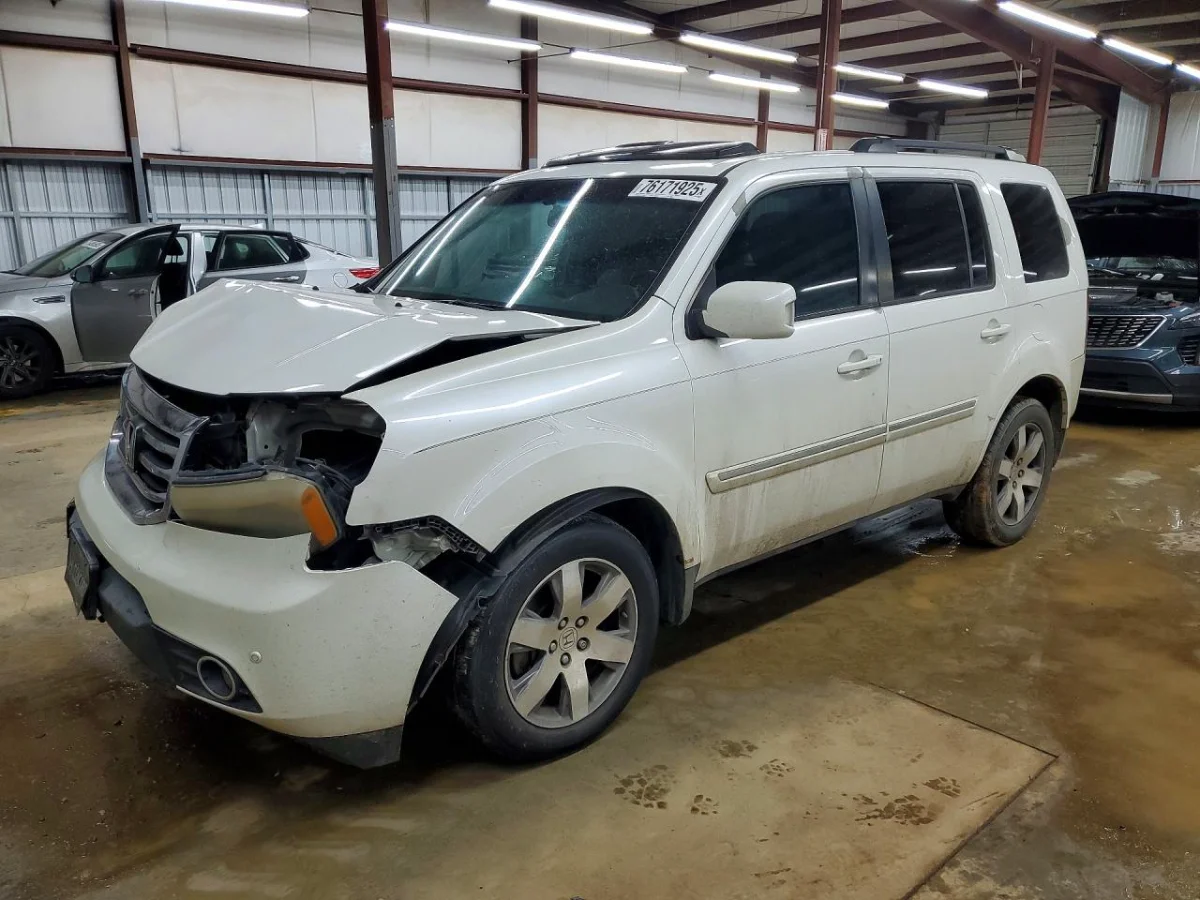
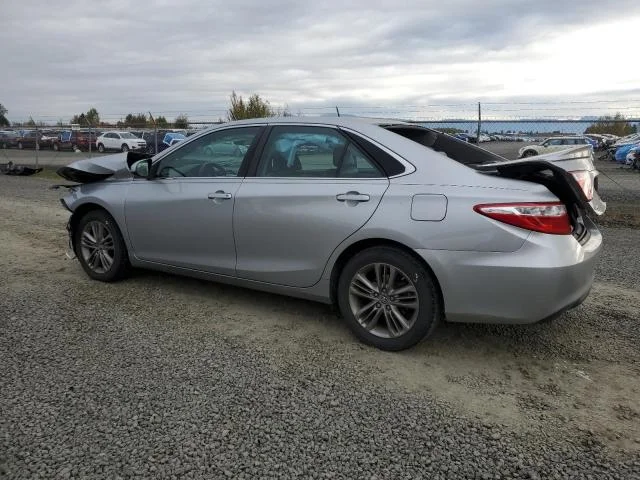
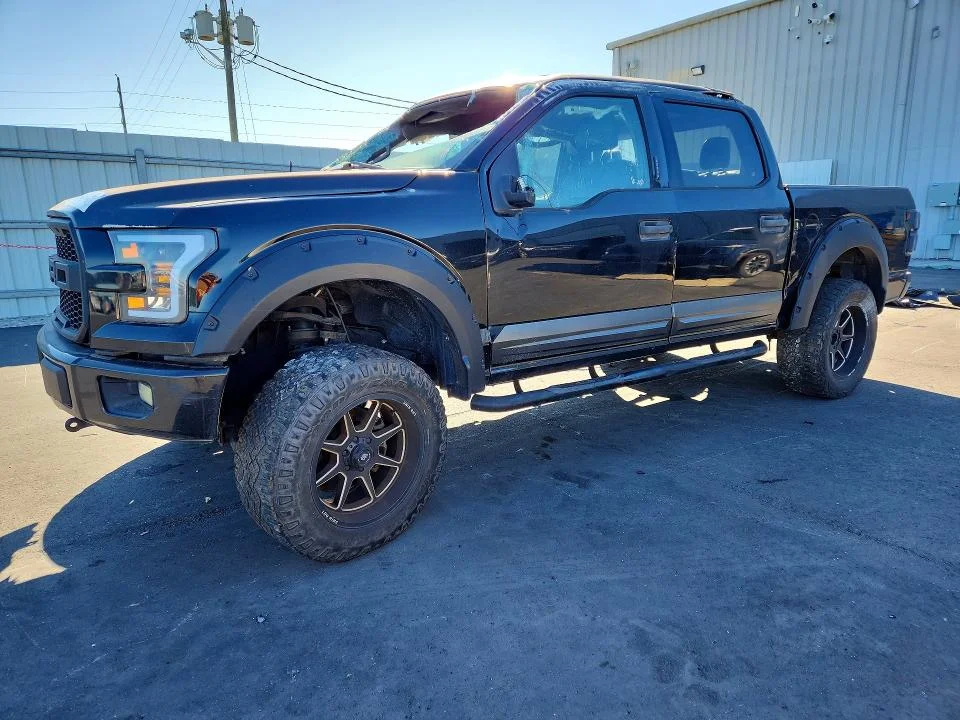
Share your vehicle year, make, model, Nassau ZIP code and condition for a fast no-obligation offer.
If the price works for you, pick a pickup window that fits your schedule and access situation.
We come directly to the confirmed Nassau pickup address and handle the tow at no charge.
Payment is made at pickup before the vehicle leaves your property.
No. Nassau County is on Long Island, east of Queens, but it is not one of New York City's boroughs. Use the city, town, or village responsible for the vehicle's exact Nassau address.
Usually not when the vehicle requires a title. New York DMV generally requires proof of ownership as well as proof of sale, so check the title or transferable-registration branch that fits the model year.
MV-35 is limited to an owner transferring a vehicle that is at least eight model years old and worth $1,250 or less to a qualifying registered or certified recipient. The vehicle may never be titled again.
Ask for the exact legal business name and facility or license number, then use the relevant New York DMV and Nassau County resources. A trade name or local phone number alone does not establish a credential.
Owning or managing the land does not automatically make you the vehicle owner. Follow the applicable city, town, village, and DMV process for an abandoned vehicle instead of signing an ordinary sale transfer.
Provide the VIN, year, make, model, ownership status, damage, missing parts, keys, wheels, steering, brakes, exact position, obstructions, and property authorization. Current photographs help show both condition and access.
Retain the signed transfer and bill of sale as applicable, the buyer's legal identity, receipt, communications, condition and departure photos, access release, and proof of plate surrender or transfer.
No. New York DMV warns sellers not to cancel liability insurance before the plates have been surrendered. Follow the DMV sequence for plate transfer or surrender and insurance cancellation.
From Hempstead, North Hempstead, Oyster Bay, Glen Cove, Long Beach, Garden City, Freeport, and Baldwin and nearby Nassau County communities, Fred’s Auto Removal offers free towing, clear pickup planning and cash payment.
Get My Free Cash Offer