
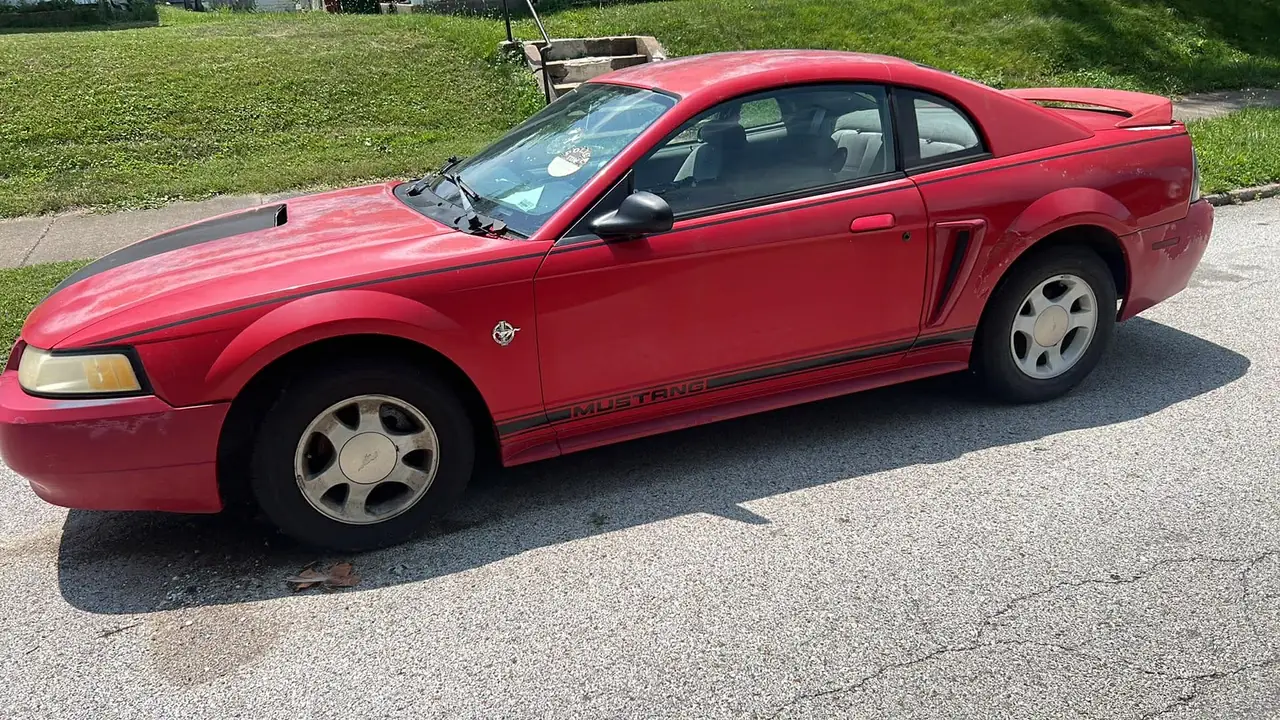
1999 Ford Mustang
Price$1,250
LocationLong Beach, NY
ConditionRuns
Running or not — we pay cash on the spot.
Free towing. Same-day pickup. No hidden fees.
8:00 am – 8:00 pm
7 days a week
1033 E Powell Blvd
Gresham, OR 97030
Confirm the state before relying on any government instruction, phone number, or towing result. This Long Beach is an incorporated city in Nassau County, New York, commonly associated with ZIP code 11561. It is not Long Beach, California, and California towing, lien-sale, and municipal rules do not apply.
Use official New York sources with the longbeachny.gov domain or the Long Beach, New York Police Department when checking City matters. The City parking information states that posted regulations control. Neither a California area code nor a commercial site using the same city name is reliable jurisdiction evidence.
After confirming place, identify custody: public street, private property, managed lot, repair shop, or police impound. Then ask whether this specific vehicle has known water, salt, collision, fire, or corrosion damage. Location creates a sensible question about exposure; it does not prove the answer.
Read current signs and check for temporary or emergency controls. Confirm a lawful working position for the proposed operator. Do not move an unregistered or non-running vehicle to a curb merely to wait for an uncertain arrangement.
Identify both the title owner and property controller. At a residence, note driveway surface, slope, width, gates, overhead limits, parked-car obstacles, and the route to the street. At a rental, get landlord or manager approval without treating that approval as authority to sell.
Resolve repair or storage balances, liens, keys, and release instructions. Record the business contact, gate process, space, access period, and outside-provider policy. The owner’s title does not eliminate a facility’s lawful control over release.
Stop the ordinary sale sequence and confirm current police requirements. The owner should not assume that a buyer or tower can enter the facility, sign for the registrant, or resolve a restricted release.
The Long Beach Police Department states that the registrant or title owner must be present for an impound release unless a third party has notarized owner authorization. Its current impound-release instructions should be checked directly before anyone travels.
The police source also explains that a vehicle with proof of ownership but no valid registration receives a TOW ONLY release. That describes how the vehicle may leave custody; it does not mean any tow provider automatically becomes the buyer. The owner still needs to identify the destination, towing arrangement, and any later ownership transfer.
Gather the owner’s identification, title or other acceptable proof, impound information, and notarized authorization if a qualifying third party will act. Ask the department about current obligations, release times, facility procedures, and who may receive the car. Do not have a prospective buyer invent an authorization format.
If the car is subject to a lien, insurance claim, estate issue, or another authority dispute, resolve that branch separately. A tow-only release coordinates transport; it does not cure a title defect or decide who may sell.
The City’s flood resource confirms that Long Beach has flood risk and provides preparedness information. It supports asking a vehicle owner about known exposure. It does not support labeling every Long Beach car flood-damaged or assuming the depth, source, date, or effects of water.
Ask the owner what is known firsthand. Was water seen inside the cabin, engine compartment, trunk, or underbody? Was it fresh, brackish, salt, or unknown? How high did it reach, and for how long? Was the engine started afterward? Were the battery, fluids, interior, electronics, or safety systems inspected? Avoid filling gaps with a diagnosis.
Photograph visible water lines, staining, corrosion, silt, damaged modules, interior surfaces, underbody areas, and open panels. Include insurer or repair records if available. Say unknown where the history is not known. Honest uncertainty is more useful than a broad local assumption.
New York DMV identifies water damage as relevant to salvage history and disclosure. Review its salvage-vehicle guidance for the actual title and insurance history. A water-damage statement should align with the title brand, known repairs, photographs, and transfer documents.
For model year 1973 or newer, an original title or another acceptable original or certified ownership document is generally needed. Match the title owner and VIN. Check for an open lien, prior assignment, or business, estate, or joint ownership that changes who can sign.
A bill of sale records the transaction but ordinarily does not replace a title. A missing title can require an eligible owner to request a replacement. A satisfied lien may require its original release. Water or collision urgency does not justify skipping these steps.
A model year 1972 or older vehicle may use a New York transferable registration. Confirm that the document is transferable and names the seller. Do not infer that an old, damaged, or unregistered car is ownerless.
MV-35 is a limited owner-only route for a vehicle at least eight model years old and worth $1,250 or less, transferred to a registered vehicle dismantler, itinerant vehicle collector, or certified scrap processor. It may never be titled again. Verify recipient qualification and every vehicle condition.
Damage disclosure is required regardless of age. Odometer disclosure applies to model year 2011 or newer while the vehicle is 20 model years old or newer. Known water, salt, collision, and salvage facts should be reported consistently rather than minimized to protect an offer.
Do not attempt to start a water-exposed or seriously damaged car merely to change its answer from non-running to running. State the last known operating condition and any later attempt. Report keys, wheels, tire inflation, steering, brakes, suspension, fluid leaks, loose panels, broken glass, and missing parts.
Show the car from every side and the full route. On a street, include signs, traffic, and the proposed legal truck position. In a driveway, show slope, surface, width, gates, and obstructions. In a garage, add clearance and turns. In an impound, follow facility photography and access rules.
The City Clerk lists tow-car licensing among City functions. A City tow-car license addresses a towing role; it does not establish that the same company is a vehicle buyer, dismantler, or qualifying MV-35 recipient. Ask for exact legal names and check each claimed role through the responsible source.
Request a written purchase amount or towing charge, not a vague removal promise. Record stated deductions, reassessment conditions, vehicle facts used, the term’s duration, and who issues the receipt. If the car is impounded, add the release method and destination.
For a Long Beach, New York vehicle discussed with Fred’s, gather the Nassau address, custody, title status, VIN, actual exposure history, mobility, access, and photographs before calling 773-869-5144. Acceptance, salvage-brand handling, impound capability, transportation, timing, charges, and payment require confirmation.
A chronology is more reliable than a label. Begin with the last date the vehicle operated normally. Add the known exposure or collision date, where the car was located, what the owner observed, whether the engine was started, and which inspection, repair, or insurance steps followed. Use exact dates when records support them and approximate language when they do not.
Separate observations from interpretations. Water visible above the lower door trim is an observation. A statement that every electronic module failed is a diagnosis unless testing confirmed it. A title brand is a document fact. A prediction about future corrosion is an opinion. Provide the buyer with the first three categories as known and identify uncertainty honestly.
Attach photographs to the chronology. Images taken before cleanup can show water lines or debris. Later images can show corrosion, interior condition, missing trim, or repairs. Keep insurer estimates, shop reports, parts invoices, and title records if available. Do not create a repair history where none exists.
If the car is in a police impound, the owner may not have unrestricted access for inspection or photography. Follow facility rules and disclose those limits. If it is at a shop, ask which components were tested and who controls the records. If it is on private property, photograph the route as well as the damage.
A tow-only release needs its own chronological entry: who authorized release, what ownership proof was accepted, which provider moved the car, and where it went. A later sale should retain that custody record so the buyer’s receipt does not appear to cover earlier transport.
Before calling a business or municipal office, read the location aloud: Long Beach, Nassau County, New York. Check the address and official domain. California information often looks polished and specific because it is valid for another city; that makes the mistake more consequential, not less.
Ask a commercial business where the vehicle will be received and which New York legal entity will buy it. A nationwide telephone system can still handle the request, but the seller should not infer a physical business presence in New York from the city name in an advertisement.
If one answer changes, update the relevant party before handoff. Honest disclosure does not require the owner to diagnose unknown damage, and uncertainty does not permit a buyer to ignore facts that were clearly supplied. The chronology simply creates a stable account from exposure through transfer.
A flood history does not reveal whether the wheels turn or brakes release. A car with a clean interior can still have locked steering, and a visibly water-damaged car might roll. Complete the mobility inventory independently from the damage chronology.
The tow provider needs movement facts and access. The buyer needs condition, title, and disclosure facts. Giving each party the appropriate records helps prevent a photograph of water damage from being treated as an answer to every operational question.
Review saved instructions and contacts before transfer. Remove any California government form, tow rule, or facility direction gathered by mistake, while keeping legitimate New York transaction records. The final file should consistently identify Long Beach, Nassau County, New York, and the actual New York parties involved.
If later information changes the damage chronology, append it with its source and date. Do not overwrite an earlier firsthand observation with a new assumption. A clear sequence lets the owner explain what was known at offer, impound release, transport, and final transfer.
At handoff, compare the VIN, observed condition, title status, buyer, tow provider, and financial terms. Complete the applicable ownership assignment and bill of sale only with the identified recipient. Obtain a receipt naming the legal buyer and vehicle.
Keep before-departure images, exposure and repair records, disclosures, messages, authorization, signed transfer copies, buyer information, and departure images. These records are especially valuable when damage evolved over time or several parties handled an impound, insurance claim, tow, and sale.
Remove belongings, toll devices, parking permits, plates, and the windshield registration sticker. Transfer or surrender the plates before canceling liability insurance as DMV directs. Do not leave signed ownership documents in an unattended or impounded vehicle.
The Nassau County guide covers wider buyer and recipient verification. Long Beach adds two disciplines: use New York sources only, and disclose what is actually known about this vehicle rather than turning the city’s flood risk into an assumption about every car.
Sample pickups like the vehicles Fred’s regularly buys: non-running cars, damaged SUVs, old trucks and unwanted commuters with free towing included.
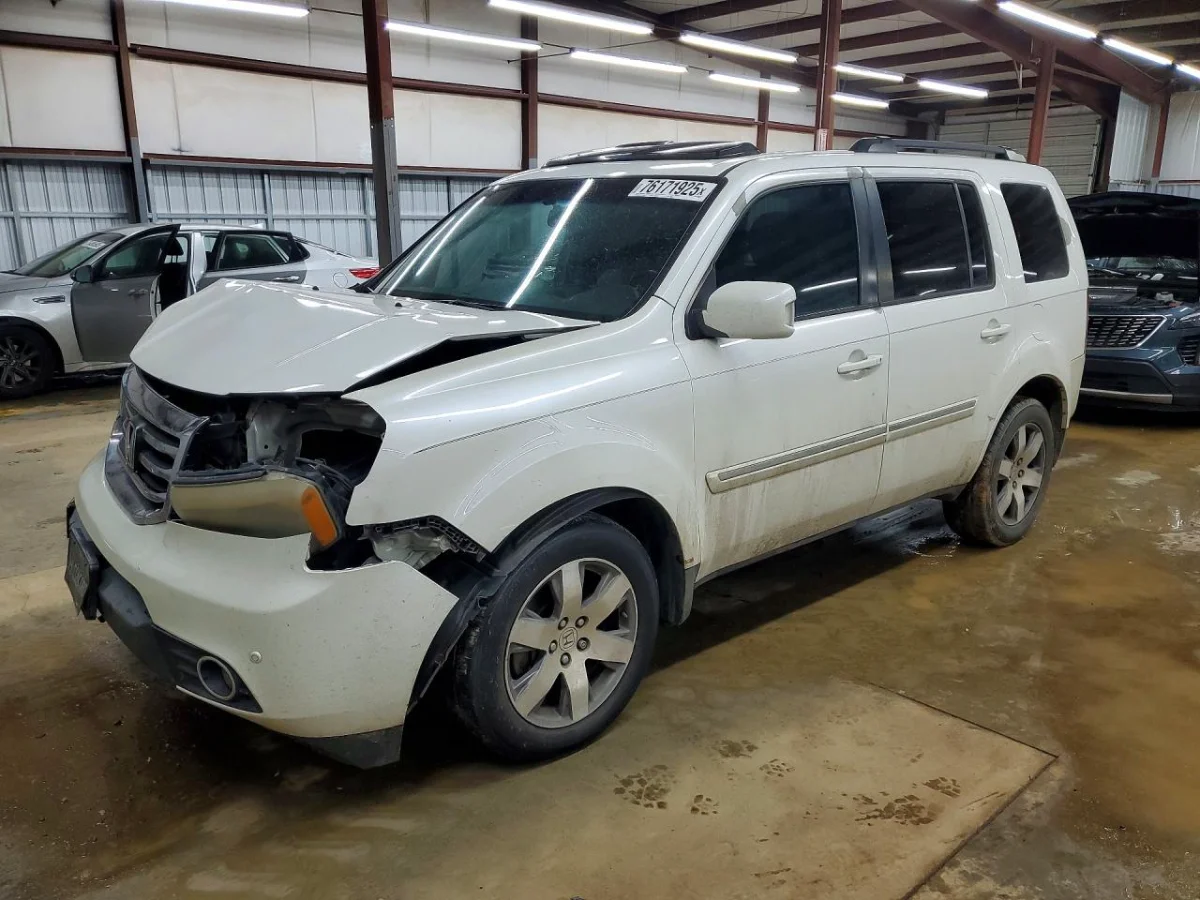
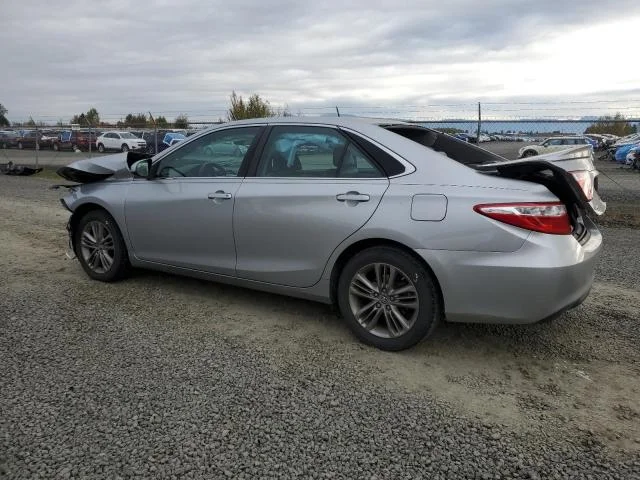
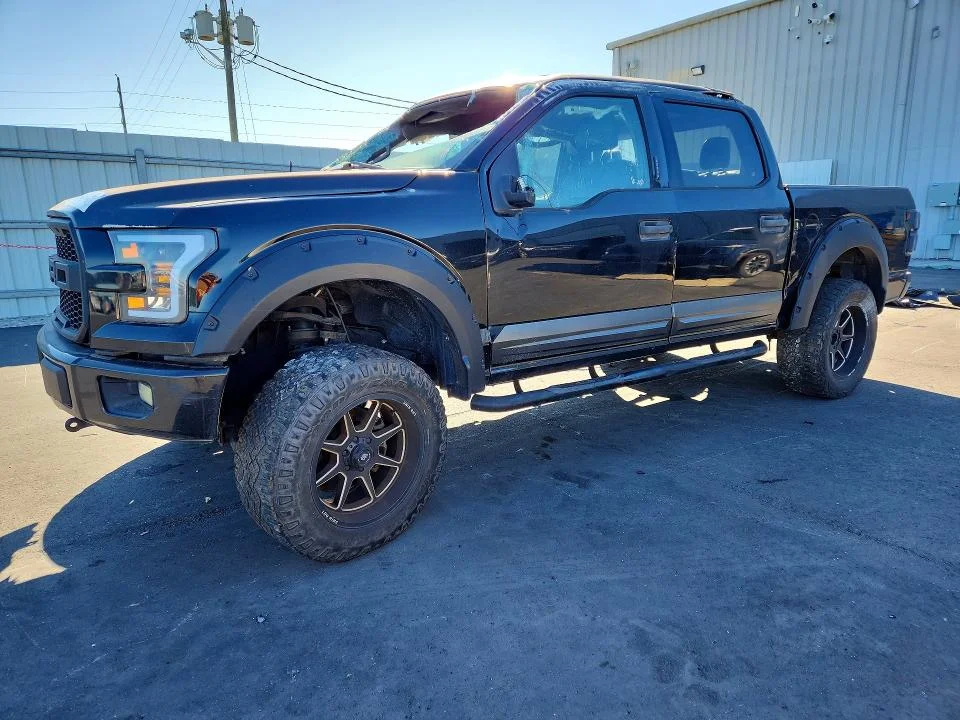
Share the vehicle year, make, model, Long Beach ZIP code and condition for a fast no-obligation offer.
If the price works for you, pick a pickup window that fits your schedule and access situation.
We come directly to your Long Beach address and handle the tow at no charge.
Payment is made at pickup before the vehicle leaves your property.
Look for Nassau County, New York, ZIP code 11561, the City's longbeachny.gov domain, or the Long Beach, New York Police Department. Avoid California government and 562-area-code sources.
No. The City's flood risk supports asking about the individual car, not assuming exposure. Report only known water source, height, duration, symptoms, repairs, insurance history, and visible evidence.
Share the known water source and level, timing, whether the engine was started, electrical and interior symptoms, corrosion, fluid or battery work, title and insurance history, and current photographs.
The Long Beach Police Department describes release to a third party with notarized owner authorization. Confirm the current wording, identification, obligations, and facility instructions directly before acting.
The police source says a vehicle with ownership proof but no valid registration is released only for towing. It does not transfer ownership or make the towing company the vehicle buyer.
Not by itself. Towing, buying, and receiving an end-of-life vehicle are distinct roles. Verify the exact legal party and the credential appropriate to each role.
Recheck posted parking, emergency controls, traffic, legal truck position, vehicle mobility, ownership documents, provider confirmation, and any current City instruction affecting the exact location.
Keep exposure and condition photos, title and insurance history, disclosures, signed transfer records, buyer and tow identities, receipt, communications, release authorization, and plate proof.
From Long Beach to nearby Hempstead, North Hempstead, Oyster Bay, Glen Cove and Garden City communities, Fred’s Auto Removal offers free towing, clear pickup planning and cash payment.
Get My Free Cash Offer