
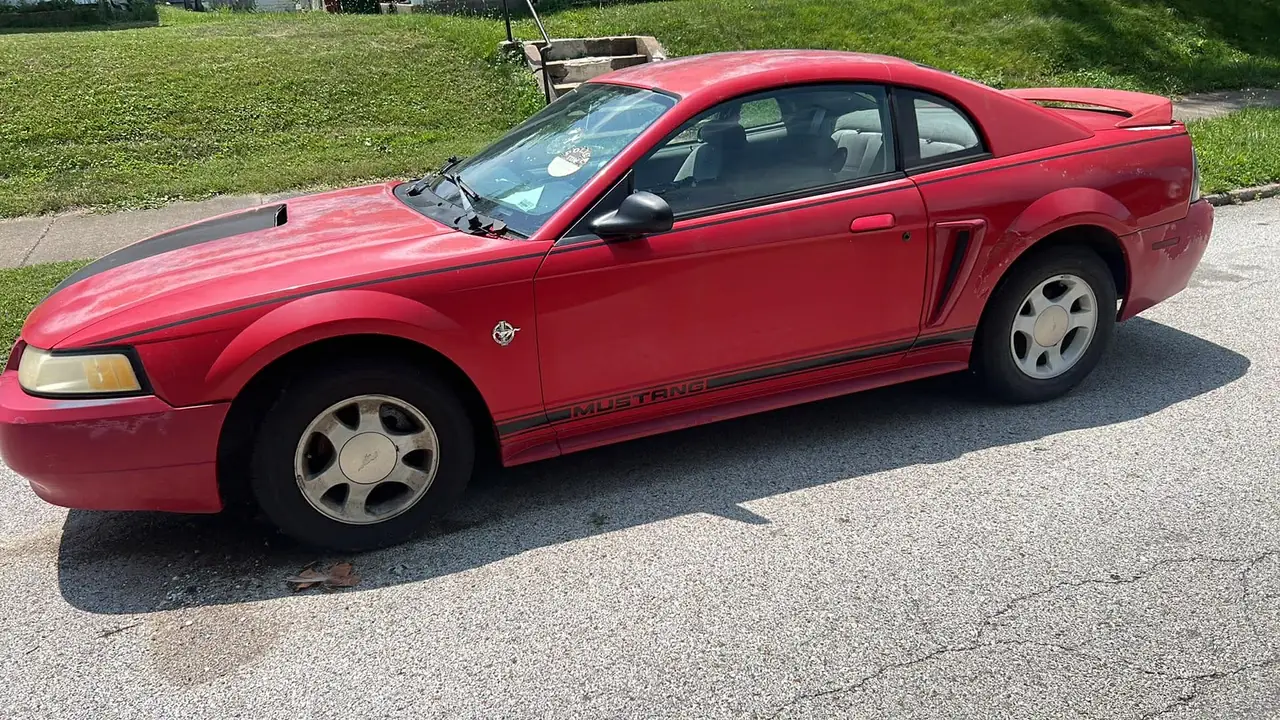
1999 Ford Mustang
Price$1,250
LocationFreeport, NY
ConditionRuns
Running or not — we pay cash on the spot.
Free towing. Same-day pickup. No hidden fees.
8:00 am – 8:00 pm
7 days a week
1033 E Powell Blvd
Gresham, OR 97030
A damaged car in a driveway, a vehicle left by a former tenant, and an owner’s car in a police impound may look equally unwanted. They are not the same transaction. Before asking about a sale, determine who owns the vehicle, who controls its location, and whether any shop, storage facility, or Village process must release it.
This guidance concerns the Incorporated Village of Freeport in Nassau County. The Village has its own government, vehicle provisions, towing rules, and impound information. It should not be treated as an unincorporated part of the Town of Hempstead when deciding which local source applies. Freeport’s official government information confirms that municipal identity.
Custody is the useful first sorting tool. Put the vehicle into one of five groups: on property controlled by the titled owner, on property controlled by another party, at a repair or storage business, in a public place, or held in an impound. Then solve the authority question for that group before arranging physical removal.
If the title owner controls the driveway or private lot, confirm that there is a lawful route from the parking spot to a truck position. The owner still needs acceptable transfer documents, but there is usually no separate landlord, shop, or garage release. Shared access, leased property, association rules, and blocked driveways can add another decision maker even at a residence.
Record the surface, slope, gate width, overhead clearance, parked-car obstacles, and whether the vehicle can roll, steer, and release its brakes. Note keys, tire condition, installed wheels, and missing major parts. Photograph both the car and its exit route. The goal is to make the physical description as specific as the title description.
Freeport Village Code restricts depositing or permitting certain abandoned, unregistered, junked, inoperable, dismantled, or wrecked vehicles on private land, subject to the code’s terms and exceptions. The current private-property vehicle provision can help an owner understand why delay may matter, but it should not be turned into a legal conclusion about a particular car.
A landlord, business owner, repair shop, or homeowner may have a car occupying valuable space without having the right to sell it. A former tenant’s registration may have expired. A vehicle owner may have stopped responding. A relative may have left the state. None of those facts, standing alone, places the title in the landowner’s name.
New York DMV separates abandoned-vehicle handling on public property from the process for private property. The appropriate city, town, or village may be involved, and a county may act as its agent. Use DMV’s abandoned and unclaimed vehicle guidance and current Village direction when the reader does not own the car.
Do not sign the absent owner’s name, rely only on possession of keys, or treat a parking lease as ownership proof. Instead, document how the vehicle came to be there, identify any known owner or lienholder, and ask the responsible authority what current notice, custody, or removal procedure applies. Property access authority and title authority remain separate throughout.
A vehicle held by the Village is not available for ordinary driveway pickup. The owner or another interested person first needs to understand the current release status, who may act, what proof is required, and whether any hearing or other Village process is relevant. A prospective buyer cannot be assumed able to enter the facility or obtain release on the seller’s behalf.
Freeport publishes impounded-vehicle information that includes a retention-hearing process and timing instructions. Those details should be checked directly because eligibility, custody, obligations, and release requirements depend on the individual event and can change. If a prompt response matters, contact the Village rather than relying on a third-party summary.
Prepare the registrant or title owner’s identification, ownership document, impound information, and any written authorization the Village says is acceptable. Ask whether release is available to the owner, an authorized person, or only a towing provider. Confirm facility procedures and unresolved obligations before discussing a private handoff.
A shop or storage lot creates a related but private branch. The owner should ask whether a repair balance, storage charge, possessory claim, missing key, or signed release prevents departure. The buyer needs the shop’s contact, access hours, exit path, and confirmation that the vehicle may leave. An offer cannot override the facility’s lawful control.
For a model year 1973 or newer vehicle, New York generally expects the original title or another acceptable original or certified proof. Compare the title owner’s name with the proposed signer. Check the VIN, prior assignment area, and lien information. If there are joint owners, a business, or an estate, do not assume one available person can sign for everyone.
A bill of sale records the transaction but ordinarily does not replace ownership proof for a titled vehicle. If the title is lost, an eligible owner may need a replacement. If a lien was paid, the original lien release may be needed with the original title. Deal with those records before the car is released from a shop or impound.
For model year 1972 or older, a New York transferable registration can serve as ownership proof. Read the document rather than relying on the age of the car. An old registration that is not transferable does not become sufficient because a buyer says paperwork is flexible.
MV-35 is a narrow owner-only path, not a general title waiver. The vehicle must be at least eight model years old and worth $1,250 or less, and it may be transferred only to a registered vehicle dismantler, itinerant vehicle collector, or certified scrap processor. It can never be titled again. Verify both vehicle eligibility and recipient status before treating that form as relevant.
New York title instructions require damage disclosure regardless of age. Odometer disclosure applies to a model year 2011 or newer car while it is 20 model years old or newer. The seller should describe known collision, fire, water, mechanical, and structural damage consistently in the offer conversation and transfer records.
A Freeport address does not determine the condition or value of a particular car. Avoid assumptions about corrosion, storm exposure, mileage, or parts demand. Build the offer from observable facts: VIN, year, make, model, trim if known, mileage when relevant, title status, complete or missing components, and photographs.
Accurate facts reduce the chance that terms will be reopened at the moment of release. They also let the tow provider determine whether the location appears feasible without the seller inventing a method or promising access the property controller has not approved.
Ask who is advertising, who is buying the vehicle, and who is transporting it. The buyer of record receives the ownership transfer. The towing provider performs the physical move. A dismantler, collector, or processor may be the final recipient. One company can occupy more than one role, but the seller should still know the exact legal name attached to each.
Compare a purchase offer and a towing charge as different financial directions. The written proposal should identify the amount to the seller or the fee from the owner, any stated deductions, facts that permit reassessment, the proposed recipient, and the duration of the terms. A generic promise of removal does not answer these questions.
Freeport’s towing code requires covered authorization and records. Review the Village towing provisions for the activity involved, while remembering that a voluntary sale transfer still depends on vehicle ownership. County and DMV checks may apply to different participating businesses.
When discussing a Freeport vehicle with Fred’s, have the custody category, ownership proof, VIN, release contact, condition, and access photographs ready before calling 773-869-5144. Vehicle acceptance, service boundaries, towing arrangements, transaction terms, and timing require confirmation for the specific request.
Divide a sheet into owner, location, holder, and release. Under owner, write the name on the title and any lien, estate, business, or joint-owner issue. Under location, write the exact property and whether it is public, private, managed, shop-controlled, or impounded. Under holder, identify who has the keys and physical possession. Under release, list the current action required before the car may leave.
This worksheet prevents a familiar Freeport problem from being oversimplified. Suppose an owner leaves a non-running car at a repair business. The shop holds the keys and controls the lot, but that person remains the titled owner. The shop may have a balance or lawful claim. A buyer’s willingness to collect the car does not resolve any of those relationships.
An impound example has different entries. The owner is named on the title, the Village holds the car, and the owner may need current proof or a release determination. The operator cannot substitute for the owner unless the Village accepts the required authorization. Only after custody is resolved does a private offer become actionable.
For a car on the seller’s own driveway, the worksheet may be short, but it still catches gaps. The title might show an open lien. The car might be boxed behind a second vehicle. One wheel could be missing from photographs. Completing each column before comparing terms reduces handoff changes.
If any column remains uncertain, contact the party responsible for it: DMV for ownership guidance, the Village for public custody, the shop or manager for facility release, and the contracting business for written terms. A clean Freeport handoff is not the fastest possible sequence; it is the one in which each party releases only what that party controls.
Take a final photograph after lawful release and before departure, then another showing the vehicle has left when safe and permitted. Add the date, recipient, key delivery, and receipt reference. This marks the point when the shop, property controller, impound, or owner no longer holds physical custody under the prior arrangement.
Confirm the location is authorized to release the car before the operator travels. For a shop or lot, verify the manager contact and open exit path. For an impound, follow current Village instructions and do not assume third-party entry. For private property, make sure the legal owner and property controller agree on the handoff.
Meet the identified party and compare the VIN, vehicle condition, written terms, and recipient name. Complete the applicable title or transferable-registration assignment and bill of sale. Keep a copy or clear image of each signed document. The receipt should identify the legal buyer, vehicle, VIN, date, amount or charge, and any destination detail appropriate to the transaction.
Remove personal belongings, toll devices, garage remotes, parking permits, plates, and the windshield registration sticker. New York DMV directs sellers to transfer or surrender plates and warns against canceling liability insurance first. Retain proof of that step with the buyer identity, release record, photographs, messages, and receipt.
The Nassau County handoff guide provides the wider buyer-verification framework. Freeport’s special lesson is custody: solve ownership, property control, shop or impound release, and only then complete a voluntary vehicle sale.
Sample pickups like the vehicles Fred’s regularly buys: non-running cars, damaged SUVs, old trucks and unwanted commuters with free towing included.
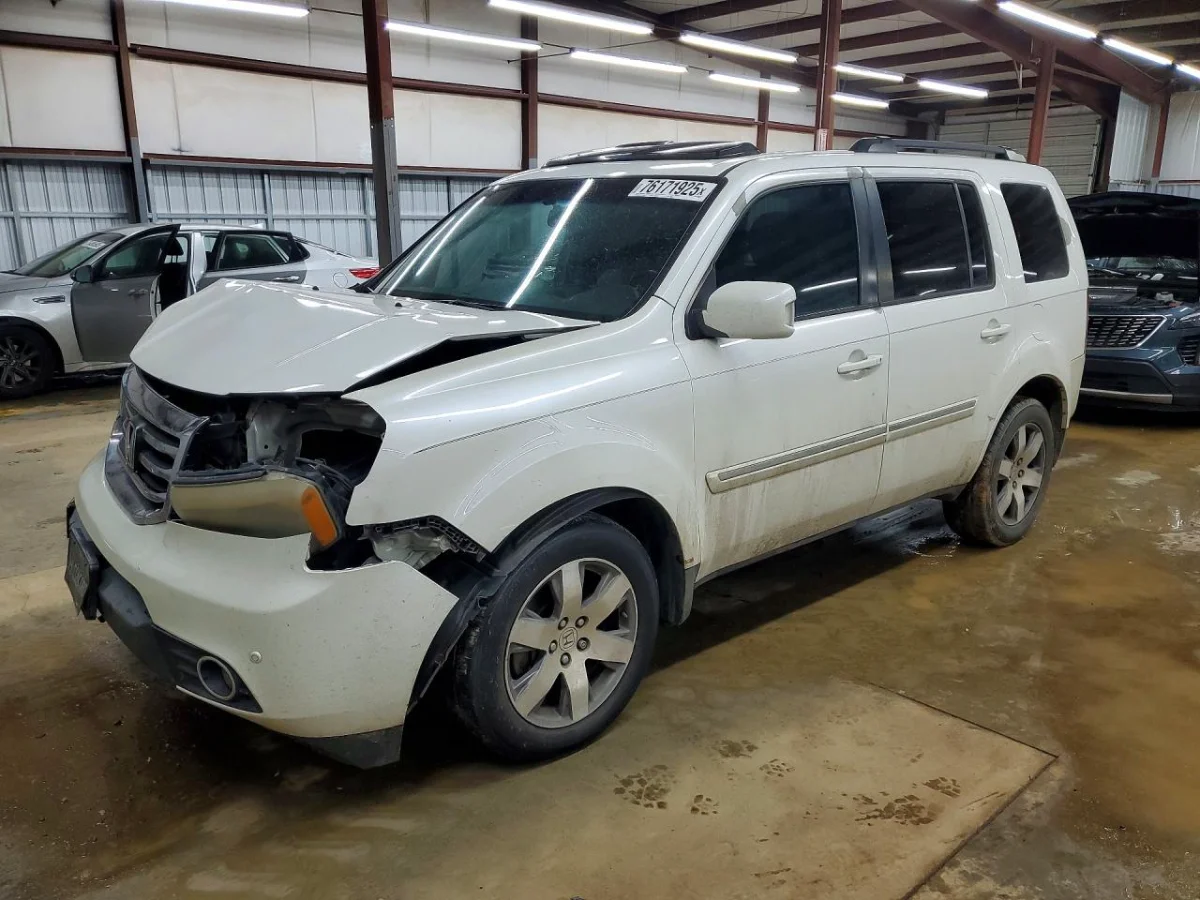
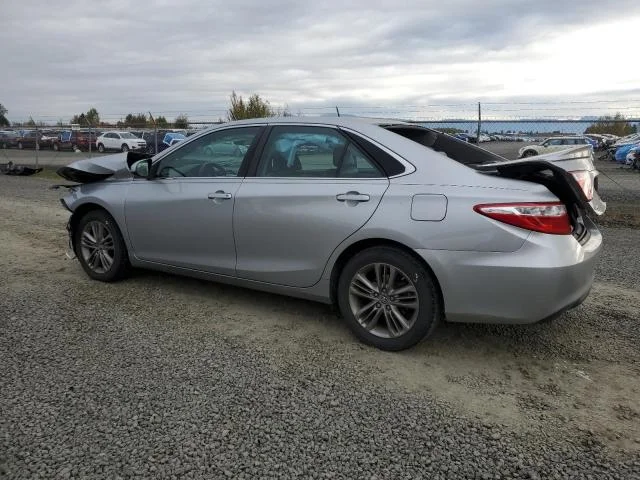
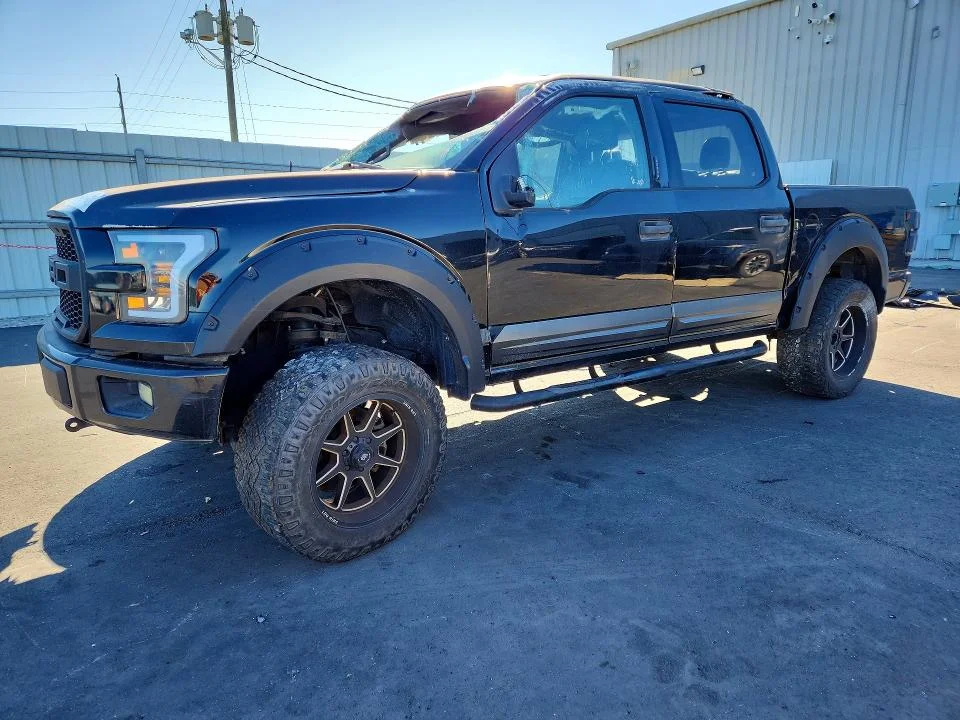
Share the vehicle year, make, model, Freeport ZIP code and condition for a fast no-obligation offer.
If the price works for you, pick a pickup window that fits your schedule and access situation.
We come directly to your Freeport address and handle the tow at no charge.
Payment is made at pickup before the vehicle leaves your property.
A sale cannot proceed as an ordinary pickup until current Village custody and release requirements are resolved. Confirm who may obtain release, what proof is needed, and whether the vehicle has a restricted release status.
Not merely because it is on the property. Land control does not establish vehicle ownership, so use the applicable Village and New York DMV abandoned-vehicle process instead of signing a private sale.
A bill of sale is proof of a transaction, but it generally is not the only ownership proof for a titled vehicle. Match the model year and circumstances to New York DMV's acceptable document rules.
Village Code covers stated categories that include abandoned, unregistered, junked, inoperable, dismantled, or wrecked vehicles, subject to its definitions and exceptions. Check the current code for the specific facts.
Provide the VIN, title status, known damage, missing parts, keys, wheel and tire condition, steering, brakes, blocked position, surface, gate, and current photographs of the car and route out.
The signer needs documented authority for the titled business or estate. When authority is uncertain, obtain DMV or appropriate professional guidance rather than relying on property access or family relationship.
Keep signed transfer documents, the buyer's legal identity, an itemized receipt, shop or impound release records, messages, condition and departure photos, and proof of plate surrender or transfer.
From Freeport to nearby Baldwin, Merrick, Roosevelt, Hempstead and Rockville Centre communities, Fred’s Auto Removal offers free towing, clear pickup planning and cash payment.
Get My Free Cash Offer