
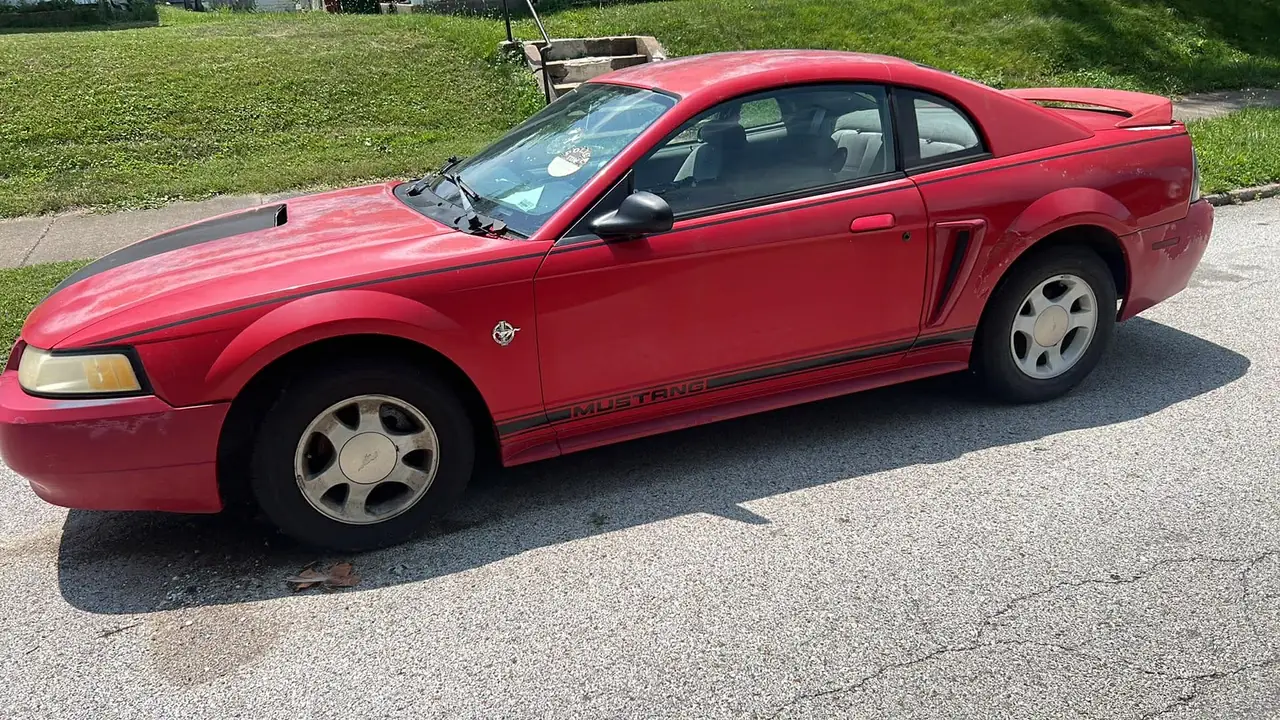
1999 Ford Mustang
Price$1,250
LocationValley Stream, NY
ConditionRuns
Running or not — we pay cash on the spot.
Free towing. Same-day pickup. No hidden fees.
8:00 am – 8:00 pm
7 days a week
1033 E Powell Blvd
Gresham, OR 97030
A Valley Stream mailing address does not by itself prove that the vehicle is inside the incorporated Village. Nearby locations may use North Valley Stream or South Valley Stream. Confirm the full address before relying on Village parking, licensing, reporting, or vehicle-removal information.
Valley Stream is in Nassau County near Queens, but it is not part of New York City. Queens towing, sanitation, and parking procedures do not apply merely because the vehicle is close to the border. The official Village site should anchor municipal questions for an address inside the Village.
Once the boundary is settled, identify where the vehicle will remain until handoff: public street, Village field, private driveway, managed lot, shop, or impound. The lawful window depends on that setting and current conditions, not on a general promise of rapid pickup.
Village information states that overnight street parking is prohibited from 3:30 a.m. to 5:30 a.m. and describes temporary guest permits. Check the current overnight and licensing information, posted signs, permit conditions, and emergency changes before planning around those hours.
Do not move a disabled, unregistered, or non-running car to the curb simply to make it visible. Confirm that the vehicle can be placed lawfully, that a truck can use a legal working position, and that the provider has accepted the request.
A municipal field has its own permit and posted conditions. The Village publishes parking-permit information and cautions readers to check for changes. Do not stage a non-runner in a field or assume an outside operator may enter without current authorization.
At a driveway, confirm width, surface, slope, gates, obstacles, and legal truck position. At an apartment or business lot, add the manager, account holder, space, gate process, access period, and outside-provider rules. Property permission and vehicle ownership remain separate.
Resolve any balance, storage status, lien, keys, and release procedure. Identify who can meet the operator and where the car may be handed off. An owner cannot assume a shop or impound will release directly to a buyer.
Write down the proposed period, then test it against five items: ordinary overnight restriction, posted rules, any permit, temporary or emergency conditions, and property or facility approval. If one item is unknown, the window is not ready.
Village Code Chapter 47 addresses vehicles and other property left in public places and includes a 24-hour threshold within that chapter’s scope. Village Code Chapter 94 authorizes removal in specified emergency, obstruction, and prohibited or restricted parking circumstances. These provisions should be read in context, not reduced to a promise that every car may remain for a particular number of hours.
Recheck conditions shortly before handoff. A lawful plan can change if signs, an emergency order, road work, a field closure, or a property manager’s instructions change. Keep the vehicle in its authorized location rather than shifting it toward Queens or another part of Nassau to preserve an appointment.
The pickup provider also must confirm its own availability and feasibility. The seller can prepare a lawful period and clear route, but should not treat that preparation as a confirmed provider arrival time.
If the reader owns the car, proceed through the New York ownership and sale branch. If it belongs to another person, do not sign a bill of sale or transfer document. Owning the driveway, lease, or lot does not make the vehicle yours.
The Village offers a reporting channel that includes abandoned vehicles, and New York DMV describes public and private property processes. Use current Village and DMV direction for a vehicle the reader does not own. Record the location and known owner information without moving, entering, or disposing of the car improperly.
A private-property towing process is also distinct from a voluntary sale. Identify the authority under which the vehicle is being moved, the tow provider, destination, and records. A buyer cannot solve missing ownership merely by agreeing to remove the car.
For model year 1973 or newer, New York generally requires an original title or another acceptable original or certified proof. Match owner and VIN, check the assignment area, and identify a lien. A bill of sale documents the transaction but usually does not replace the title.
A missing title may require an eligible owner to obtain a replacement. A satisfied lien may need its original release. A business, estate, joint ownership, or owner-name mismatch requires the correct signer and supporting authority. Address those issues before the lawful parking window becomes urgent.
For model year 1972 or older, a New York transferable registration may establish ownership. Confirm that it is transferable and belongs to the seller. Neither age nor expired plates turn it into an ownerless vehicle.
MV-35 is limited to an owner, a vehicle at least eight model years old and worth $1,250 or less, and a registered vehicle dismantler, itinerant vehicle collector, or certified scrap processor. The vehicle may never be titled again. Verify each condition and recipient.
Damage disclosure applies regardless of age. Odometer disclosure covers model year 2011 or newer while the vehicle is 20 model years old or newer. Keep the written condition description accurate and consistent.
Give the year, make, model, VIN, title status, known damage, missing parts, keys, and photographs. State whether the engine starts, all wheels are installed, tires hold air, steering turns, brakes release, and suspension or body parts drag.
For access, record slope, surface, width, turns, gates, clearance, blocked position, traffic, and the legal truck location. Name the property or facility contact. In a field or managed lot, add permit or account status and current entry requirements.
Request a written amount or towing charge, duration, stated deductions, reassessment conditions, destination, and receipt issuer. The Village Clerk’s licensing functions include tow-car companies and secondhand or used-car dealers, but one role does not prove the other.
For a Valley Stream request discussed with Fred’s, prepare the confirmed Village address, lawful location window, ownership status, VIN, access authorization, mobility, and photographs before calling 773-869-5144. Coverage, acceptance, roles, transportation, terms, and timing require case-specific confirmation.
Choose a proposed handoff period, then create a short validity list beside it: address confirmed inside the Village, current street or field permission, no conflicting posted or emergency restriction, property approval, ownership document ready, buyer confirmed, tow provider confirmed, and route open. The period remains usable only while every item is true.
This is more reliable than choosing a time first and trying to make the vehicle fit it. A parking change can invalidate the location. A missing title can invalidate the transfer. A manager’s absence can invalidate access. Locked steering can invalidate a provider’s assumption. Each problem has a different person responsible for resolving it.
An owner proposes a morning handoff after the ordinary overnight restriction. The plan still requires current signs, no emergency control, a legal working position, and provider confirmation. If the car was left overnight without applicable authorization, a later proposed time does not erase that issue.
The permit holder confirms the field and current account status, but management has not approved an outside operator. The window is incomplete. Do not shift the car to another space or tell the provider that a permit equals entry authority.
The title owner is ready, the buyer is identified, and the car rolls, but the gate contact is unavailable during the proposed period. Choose another confirmed period rather than asking the operator to follow another resident through the gate.
No private-sale window exists for the property controller. Use the Village reporting or applicable removal process. The timing question belongs to the responsible authority, and the property controller should not create ownership documents.
Check the location shortly before handoff. Photograph relevant signs when useful, but read them rather than treating the image as permanent permission. Ask the Village or property manager when a restriction is unclear. Share a material change with the buyer and tow provider before they travel.
If the proposed position becomes unavailable, do not move the non-runner to Queens, another Village field, or an unauthorized curb. Find a lawful position and obtain a revised provider confirmation. The correct municipality should remain attached to the record even when the working point changes within the Village.
Give the same note to the parties that need it. A consistent record makes it easier to distinguish a true condition change from information that was overlooked.
If a document, restriction, property approval, or provider confirmation fails, cancel that proposed period and resolve the specific problem. Do not let urgency produce an unauthorized move or signature. A revised lawful plan is better than a vehicle entering enforcement or leaving with unclear ownership.
When all items remain true, the owner can complete transfer, receive a receipt, remove plates, and retain evidence. Valley Stream’s overnight and permit information then performs its proper function: it helps the seller create a lawful opportunity for handoff without pretending that municipal parking rules determine buyer acceptance or arrival.
If the proposed period moves, note whether the cause was parking authority, emergency conditions, manager access, title readiness, buyer confirmation, provider feasibility, or vehicle condition. The reason identifies what must be rechecked and prevents an old approval from being assumed current.
A change caused by the buyer does not extend a parking permit. A change caused by the property manager does not extend an offer. A new title document does not confirm a tow provider. Refresh each affected item independently.
Give the provider the full Village address, Nassau County designation, current parking setting, property contact, and legal working position. Avoid directions that use Queens as the regulatory reference. A nearby cross street may help navigation, but it does not change jurisdiction.
After handoff, retain the validated window list with the receipt and signed transfer. It shows that location authority and provider confirmation were current when the vehicle left.
If the car remains after a canceled period, recheck its lawful parking status immediately. Do not assume the prior permit, property approval, or street condition continues through another night. Notify the relevant manager or Village contact and rebuild the validity list for any later handoff.
Recheck signs, permits, emergency conditions, property approval, and provider confirmation before the operator travels. At the vehicle, compare VIN, condition, access, buyer, tow provider, and written terms. Resolve any discrepancy before signing.
Complete the applicable ownership assignment and bill of sale with the identified buyer. Obtain a receipt naming the legal buyer, vehicle, VIN, date, amount or charge, and appropriate removal details. Keep signed copies, business identities, authorization, messages, and condition and departure photographs.
Remove personal property, toll devices, parking permits, plates, and the windshield registration sticker. DMV’s plate-surrender instructions warn against canceling liability insurance before surrender. Preserve proof of the sequence.
The Nassau County overview adds county-level verification. Valley Stream’s distinctive protection is the lawful window: confirm the Village, keep Queens rules separate, and align current parking authority, ownership, access, and provider confirmation before the car moves.
Sample pickups like the vehicles Fred’s regularly buys: non-running cars, damaged SUVs, old trucks and unwanted commuters with free towing included.
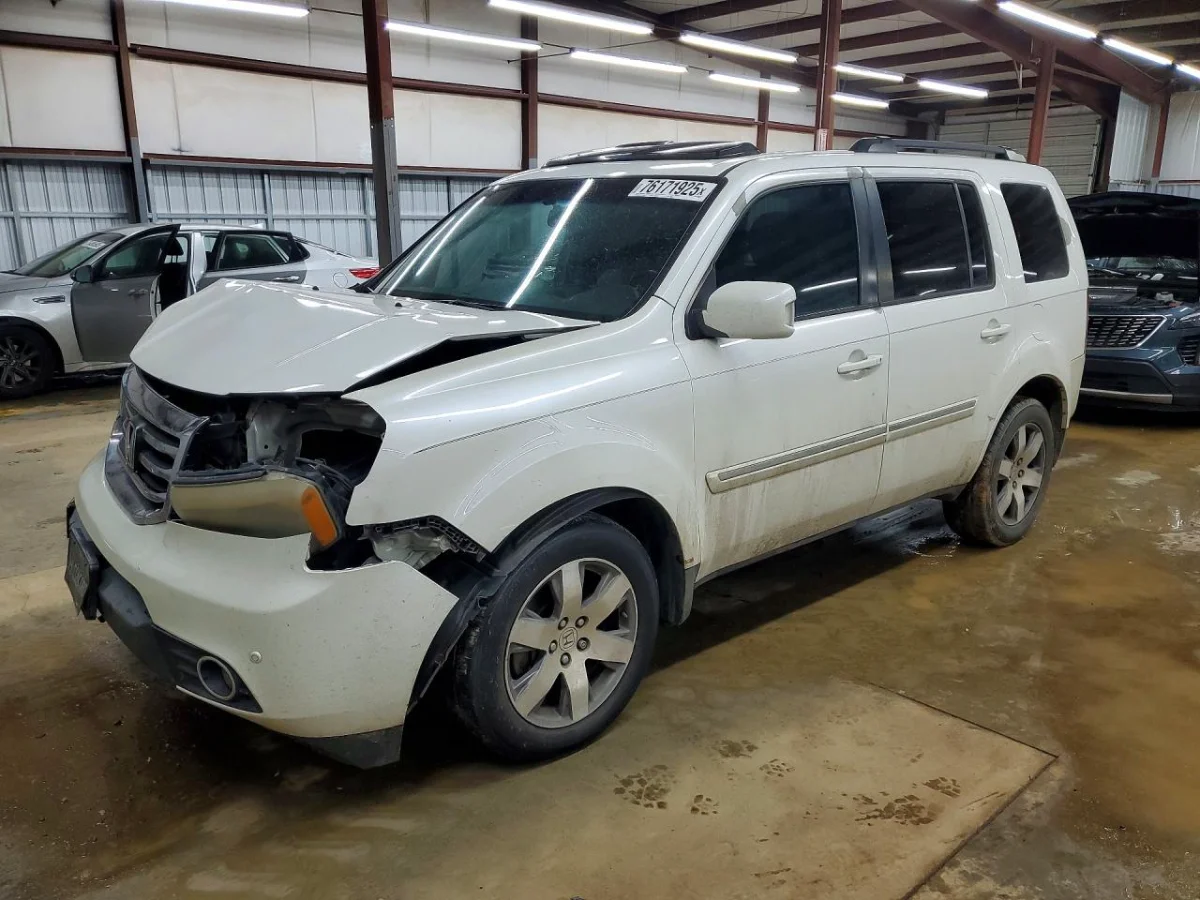
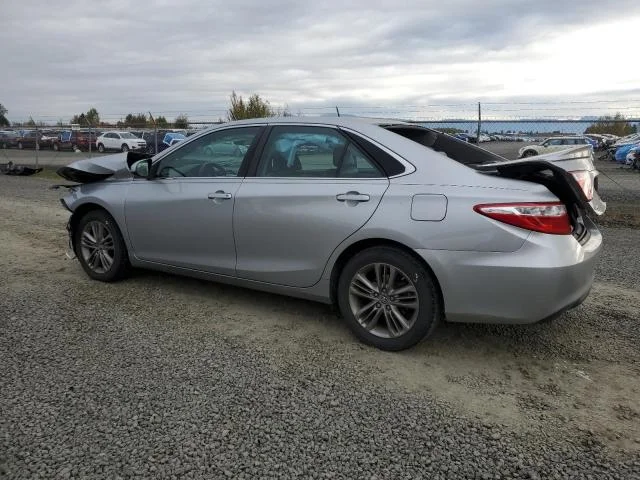

Share the vehicle year, make, model, Valley Stream ZIP code and condition for a fast no-obligation offer.
If the price works for you, pick a pickup window that fits your schedule and access situation.
We come directly to your Valley Stream address and handle the tow at no charge.
Payment is made at pickup before the vehicle leaves your property.
No. Confirm whether the exact location is inside the Incorporated Village of Valley Stream, because North Valley Stream, South Valley Stream, and nearby areas may follow different local sources.
Village information states an ordinary street-parking prohibition between 3:30 and 5:30 in the morning. Check current permits, posted rules, emergency conditions, and the specific vehicle's status.
Do not do so without current field authorization and permit confirmation. A municipal field is not an open staging area, and outside-provider entry may also require approval.
No. An address inside Valley Stream is in Nassau County and follows applicable Village and New York State sources, not New York City rules merely because Queens is nearby.
Do not sell it. Property ownership or a lease does not establish vehicle ownership; use the current Village reporting and New York DMV private- or public-property process.
No. Identify the legal buyer of record, tow provider, receiving business, property controller, and title signer separately, and verify each role through the responsible source.
Remove the plates and windshield registration sticker at transfer, then transfer or surrender the plates. New York DMV warns against canceling liability insurance before plate surrender.
A wrong municipal boundary, changed signs, emergency rules, missing permit, no manager approval, title defect, undisclosed immobility, blocked route, or unconfirmed provider can stop the handoff.
From Valley Stream to nearby Elmont, Lynbrook, Malverne, Hewlett and Woodmere communities, Fred’s Auto Removal offers free towing, clear pickup planning and cash payment.
Get My Free Cash Offer